For ecommerce businesses operating across international markets, transportation decisions directly influence the customer experience. A product may be competitively priced and perfectly marketed, but if it arrives too late, costs too much to ship, or becomes unavailable because inventory was not replenished on time, customer satisfaction can quickly decline.
This makes freight mode selection a strategic ecommerce decision rather than simply a transportation choice.
Air freight offers speed, responsiveness, and shorter inventory replenishment cycles. Ocean freight provides greater capacity and typically lower transportation costs for large volumes. Neither option is automatically better. The right choice depends on customer expectations, product characteristics, inventory strategy, margins, demand volatility, and the consequences of delayed delivery.
In 2026, leading ecommerce supply chains are moving beyond the traditional air-versus-ocean debate. Instead, businesses are using data to determine when each mode creates the greatest value and how both can work together within a flexible global logistics strategy.
Understanding freight mode selection can therefore help online retailers improve customer satisfaction while controlling costs and building more scalable international supply chains.
Why Transportation Mode Matters to Ecommerce Customers
Customers rarely think about whether inventory traveled by aircraft or container vessel before reaching a fulfillment center. They care about the outcome: Is the product available? How quickly will it arrive? Is shipping affordable? Can they trust the promised delivery date?
These expectations make transportation decisions an important part of customer experience.
According to lobal ecommerce and online shopping trends, digital commerce continues to connect consumers with increasingly international product markets. As ecommerce expands across borders, businesses must coordinate inventory over longer distances without allowing international transportation complexity to negatively affect customers.
Effective freight mode selection influences:
- Product availability
- Delivery promises
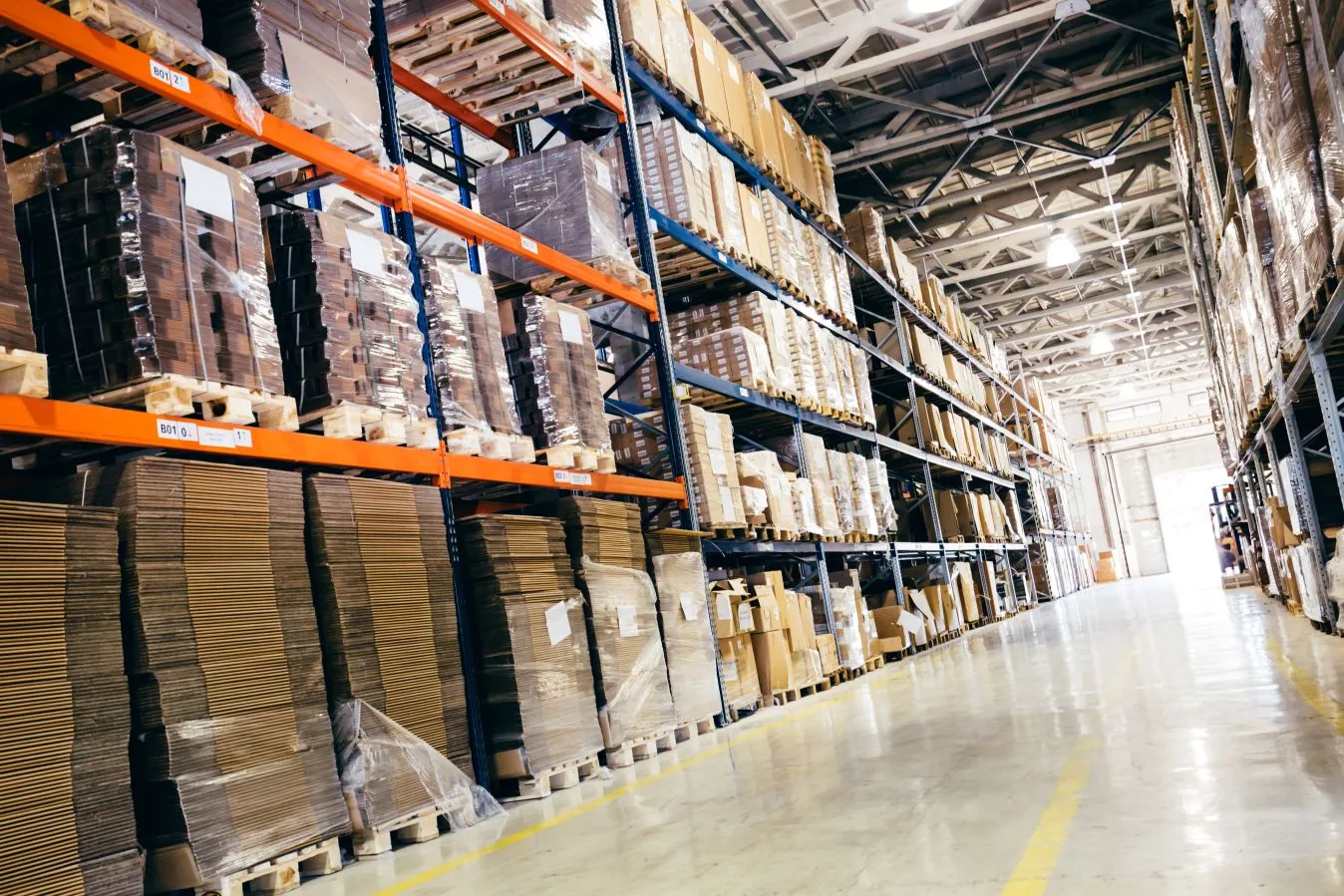
- Inventory replenishment
- Shipping costs
- Seasonal readiness
- Customer satisfaction
As explored in ecommerce logistics services, successful international fulfillment depends on connecting transportation decisions with inventory management, warehousing, and customer delivery rather than managing freight as an isolated function.
Air Freight vs Ocean Freight: What Is the Main Difference?
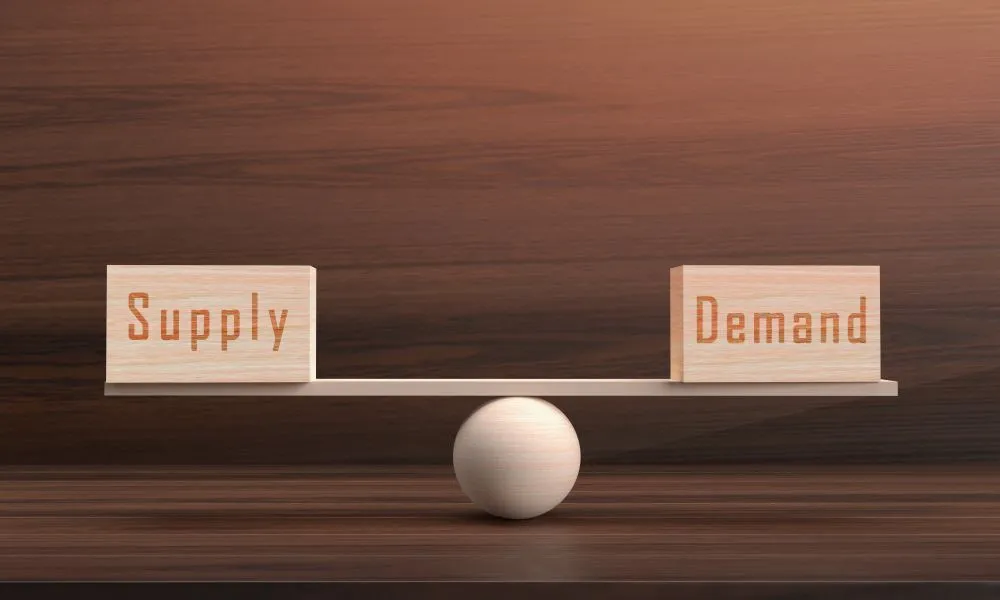
The fundamental difference between air and ocean freight is the balance between speed, capacity, and cost.
Air freight prioritizes speed. It is generally best suited for urgent, high-value, lightweight, seasonal, or time-sensitive products.
Ocean freight prioritizes capacity and cost efficiency. It is typically better suited for larger shipment volumes, heavier cargo, predictable inventory replenishment, and products that can tolerate longer transit times.
The decision should not be based solely on the freight rate.
A lower transportation rate may become expensive if slow replenishment causes stockouts. Likewise, paying for air freight on inventory that is not urgently needed can unnecessarily reduce margins.
The best freight mode selection considers the total business impact of each option.
When Air Freight Creates a Better Customer Experience
Air freight can be particularly valuable when delivery speed and inventory availability directly influence revenue.
Faster Inventory Replenishment
When a popular product begins selling faster than expected, waiting weeks for replacement inventory can result in lost sales.
Air freight allows businesses to replenish critical inventory quickly and maintain product availability during periods of unexpected demand.
As discussed in ecommerce air freight, air transportation can be especially valuable for urgent inventory, product launches, high-value goods, and seasonal demand.
Supporting Time-Sensitive Demand
Promotional campaigns, holidays, product launches, and viral demand can create narrow sales windows.
If inventory arrives after demand peaks, the financial impact can be significantly greater than the savings achieved by choosing slower transportation.
For these situations, freight mode selection should consider the cost of arriving late—not simply the cost of transportation.
Shorter Transit Times
Air freight can dramatically reduce international transportation time compared with ocean freight.
Businesses prioritizing ecommerce transit times may use air transportation strategically to support faster replenishment and more responsive fulfillment.
However, speed comes at a premium, making careful shipment prioritization essential.
When Ocean Freight Is the Smarter Ecommerce Choice
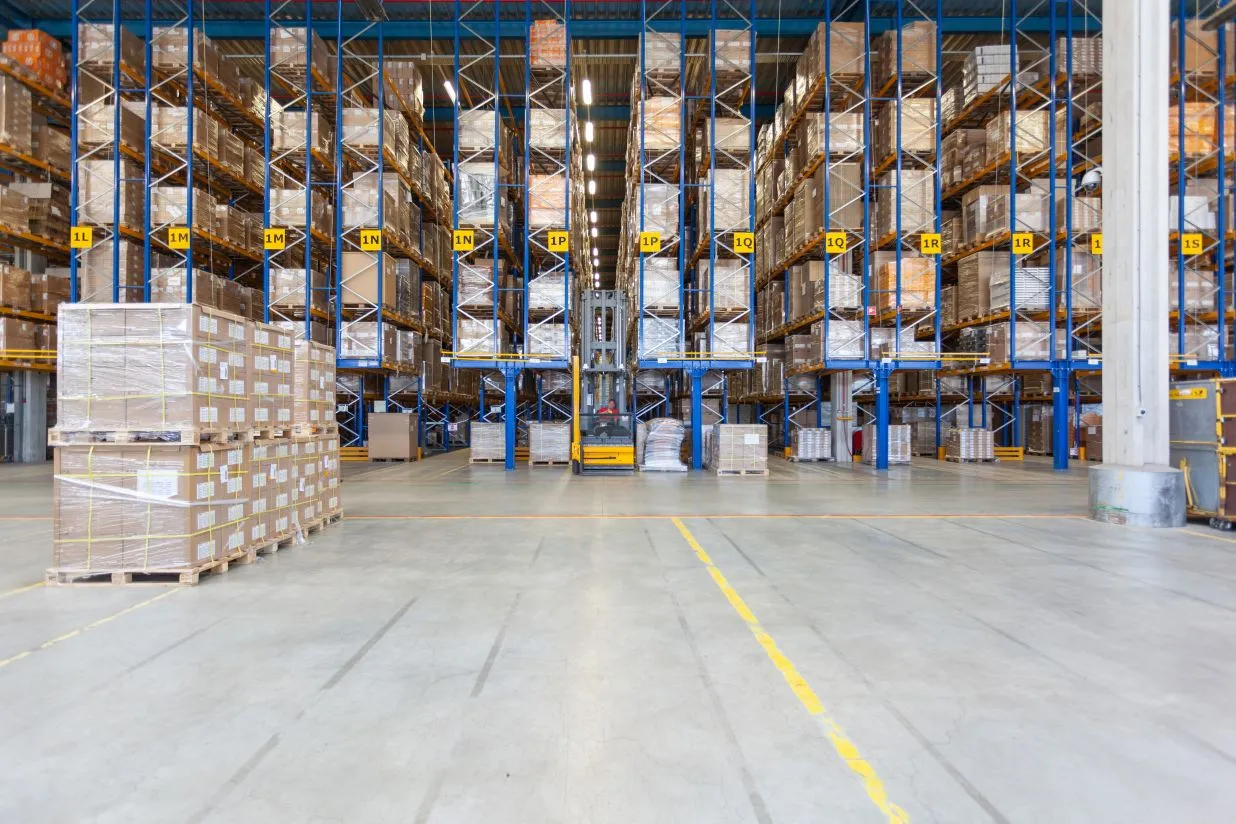
Ocean freight remains fundamental to global ecommerce because it provides the capacity required to move large quantities of inventory economically.
Lower Costs for High-Volume Shipments
For products with predictable demand, ocean freight can significantly reduce transportation cost per unit.
This is especially important for businesses selling:
- Bulky products
- Heavy merchandise
- Lower-margin goods
- High-volume inventory
Companies focused on freight cost optimization often use ocean transportation for planned replenishment while reserving premium freight options for urgent requirements.
Greater Capacity
Container shipping enables businesses to move significantly larger volumes than air transportation.
This makes ocean freight particularly valuable when building inventory before major sales periods or replenishing regional fulfillment centers.
More Predictable Inventory Planning
When demand forecasting is accurate, businesses can plan ocean shipments far enough in advance to benefit from lower transportation costs without negatively affecting product availability.
The key is synchronization. Inventory planning, transportation schedules, and customer demand must work together.
Speed vs Cost: The Wrong Question Can Lead to the Wrong Decision
Businesses often ask: Which is better—air freight or ocean freight?
A more useful question is: Which transportation option best supports this specific shipment and customer promise?
The answer can change depending on:
- Product value
- Shipment size
- Inventory availability
- Customer demand
- Delivery urgency
- Transportation capacity
- Seasonal conditions
- Profit margins
For example, ocean freight may be ideal for baseline inventory replenishment, while air freight can protect sales when demand unexpectedly exceeds forecasts.
This creates a dynamic freight mode selection strategy rather than a rigid commitment to one transportation method.
The Hidden Cost of Choosing the Wrong Freight Mode
Transportation costs are visible on a freight invoice. The consequences of poor transportation decisions are often less obvious.
Choosing the wrong mode can contribute to:
- Stockouts
- Excess inventory
- Missed promotions
- Emergency transportation expenses
- Longer customer delivery times
- Reduced customer loyalty
Imagine an ecommerce retailer saving money by selecting ocean freight for a fast-selling product. If the inventory arrives too late and the product remains unavailable for several weeks, lost revenue may far exceed the original freight savings.
Conversely, consistently using air freight for predictable inventory can create unnecessary transportation expenses that reduce profitability.
Strategic freight mode selection considers total landed cost, inventory risk, and customer impact together.
How Demand Forecasting Improves Freight Mode Selection
Data is becoming essential for deciding how inventory should move.
Accurate demand forecasting allows ecommerce businesses to identify which products require faster replenishment and which can move through slower, more economical transportation networks.
As explored in ecommerce demand forecasting, predictive planning helps businesses anticipate inventory requirements before shortages occur.
This enables companies to segment shipments strategically.
Stable, predictable inventory can move by ocean. Unexpected demand spikes may trigger air freight. Products between these extremes may benefit from alternative or combined transportation strategies.
The result is smarter freight mode selection based on actual business requirements rather than habit.
Why Multimodal Strategies Are Changing the Air vs Ocean Debate
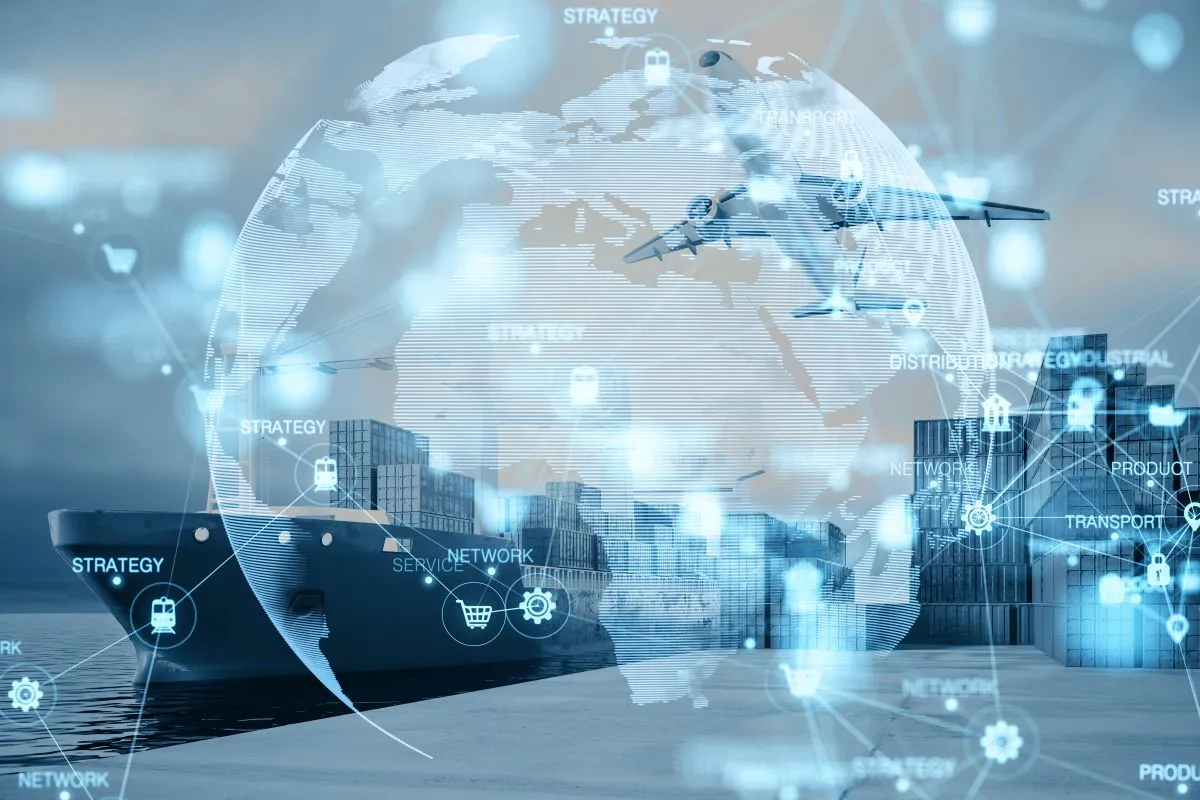
The future of ecommerce transportation is not necessarily air freight versus ocean freight. Increasingly, it is air freight and ocean freight working within the same logistics strategy.
Multimodal transportation allows businesses to combine different modes according to inventory priorities.
As discussed in multimodal freight solutions, integrated transportation strategies improve flexibility while helping businesses balance speed, cost, and supply chain resilience.
An ecommerce company might use:
- Ocean freight for regular inventory
- Air freight for urgent replenishment
- Ground transportation for regional distribution
- Expedited services for critical exceptions
This creates a more adaptable supply chain capable of responding to changing customer demand.
Technology Is Making Freight Decisions Smarter
Digital logistics platforms are improving how businesses evaluate transportation options.
Modern systems can analyze:
- Historical transit performance
- Carrier reliability
- Freight rates
- Inventory levels
- Demand forecasts
- Potential disruptions
According to insights on supply chain technology and logistics optimization, greater visibility and data-driven planning are becoming increasingly important for responsive supply chains.
As explored in digital freight forwarding, automation and real-time information are also helping freight forwarders make faster and more informed transportation decisions.
For ecommerce businesses, this means freight mode selection can increasingly be based on real-time conditions rather than static transportation plans.
How Air and Ocean Freight Affect Customer Satisfaction
Customer satisfaction in ecommerce depends on much more than the speed of the final delivery. The entire supply chain must maintain sufficient inventory, predictable replenishment, accurate delivery promises, and competitive shipping costs.
This means freight mode selection can indirectly influence several important aspects of the customer experience.
These include:
- Product availability
- Delivery reliability
- Shipping costs
- Order fulfillment speed
- Customer communication
- Ability to meet seasonal demand
Air freight can support customer satisfaction by replenishing inventory quickly when products are urgently needed. Ocean freight can support satisfaction differently by reducing transportation costs and enabling businesses to maintain larger inventory volumes at economically sustainable costs.
The best strategy is therefore not necessarily choosing the fastest transportation mode. It is choosing the mode that enables the business to consistently meet its customer promise.
Cross-Border Ecommerce Makes Freight Mode Selection More Complex
International ecommerce adds multiple layers of complexity to transportation planning.
Products may cross several jurisdictions, transportation hubs, customs checkpoints, and distribution networks before reaching the customer.
Businesses operating internationally must consider:
- Customs clearance requirements
- Duties and taxes
- Port and airport capacity
- International transportation schedules
- Regional fulfillment locations
- Final delivery networks
As explored in cross border logistics, successful international ecommerce requires coordination across every stage of the supply chain.
For some markets, ocean freight may provide the most economical solution for regular inventory replenishment. For others, air freight may be necessary to maintain competitive delivery expectations or respond to rapidly changing demand.
Effective freight mode selection must therefore consider both the international transportation journey and the customer experience at destination.
Customs and Regulatory Considerations
Transportation speed alone does not determine how quickly international inventory becomes available.
Customs procedures can significantly influence total transit time.
Documentation errors, incorrect product classifications, incomplete declarations, or regulatory inspections can delay shipments regardless of whether they travel by air or ocean.
The World Customs Organization emphasizes the importance of customs modernization and trade facilitation in supporting efficient international commerce.
Experienced freight forwarding partners help ecommerce businesses prepare accurate documentation and coordinate customs requirements before shipments arrive.
This reduces the risk that products moving quickly through international transportation networks become delayed at the border.
How AI Is Improving Freight Mode Selection
Artificial intelligence is introducing a new level of intelligence into transportation planning.
Instead of selecting air or ocean freight based primarily on historical practices, AI-powered logistics systems can evaluate multiple variables simultaneously.
These may include:
- Current inventory levels
- Expected customer demand
- Freight rates
- Carrier capacity
- Transit performance
- Weather conditions
- Port congestion
- Product margins
As discussed in final mile delivery, automation and advanced analytics are helping logistics providers make faster, more informed transportation decisions.
AI can also identify situations where paying more for faster transportation may prevent a larger financial loss caused by inventory shortages.
This transforms freight mode selection from a simple transportation decision into a dynamic supply chain optimization process.
The Role of Freight Forwarders in Choosing Air vs Ocean
Choosing between air and ocean transportation can become complicated when businesses operate across multiple markets.
Freight forwarders help companies evaluate transportation options based on more than freight rates.
They consider:
- Delivery urgency
- Product characteristics
- Shipment volume
- Carrier availability
- Customs requirements
- Route reliability
- Total landed cost
A freight forwarding partner can also create contingency plans when transportation conditions change.
For example, if ocean freight experiences significant delays, critical inventory may be shifted to air transportation. If demand stabilizes, future replenishment can return to lower-cost ocean services.
This flexibility allows ecommerce businesses to respond quickly without redesigning their entire supply chain every time market conditions change.
Frequently Asked Questions About Air vs Ocean Freight
Is air freight or ocean freight better for ecommerce?
Neither option is universally better. Air freight is generally more appropriate for urgent, high-value, lightweight, or time-sensitive shipments. Ocean freight is typically more cost-effective for large volumes and predictable inventory replenishment.
The best freight mode selection depends on customer expectations, product margins, inventory availability, and delivery urgency.
Is air freight always faster than ocean freight?
For long-distance international transportation, air freight is generally significantly faster. However, total delivery time also depends on pickup, cargo handling, customs clearance, warehousing, and final distribution.
Is ocean freight always cheaper?
Ocean freight generally provides a lower transportation cost per unit for larger shipments. However, businesses should also consider inventory carrying costs, longer lead times, warehousing requirements, and the potential cost of stockouts.
When should an ecommerce company use air freight?
Air freight is particularly valuable for urgent replenishment, seasonal products, product launches, high-value merchandise, and situations where inventory shortages could result in significant lost sales.
Can ecommerce businesses use both air and ocean freight?
Yes. In many cases, using both is the most effective strategy. Ocean freight can support regular inventory replenishment while air freight provides flexibility for urgent demand.
A Practical Decision Framework: Air or Ocean?
Before selecting a transportation mode, ecommerce businesses should answer several questions.
How urgently is the inventory needed?
If a stockout is imminent, faster transportation may protect revenue and customer satisfaction.
How valuable is the product relative to transportation cost?
Higher-value products can often absorb premium transportation costs more easily than low-margin goods.
How predictable is demand?
Predictable inventory can usually be planned farther in advance and transported economically by ocean.
What happens if the shipment arrives late?
Businesses should calculate the potential cost of lost sales, missed promotions, or customer dissatisfaction.
Can the shipment be divided?
Sometimes the best solution is to send a smaller quantity by air to cover immediate demand while the remaining inventory moves by ocean.
This approach creates a more sophisticated freight mode selection strategy that balances immediate needs with long-term cost efficiency.
How LCX Freight Supports Smarter Transportation Decisions
LCX Freight helps ecommerce businesses design transportation strategies that align freight decisions with customer expectations, inventory requirements, and international growth objectives.
Rather than viewing air and ocean freight as competing solutions, LCX Freight helps businesses determine how each mode can contribute to a more efficient global supply chain.
Capabilities include:
- Air freight coordination
- Ocean freight management
- Multimodal transportation planning
- Cross-border logistics support
- Shipment visibility
- Freight forwarding expertise
- Transportation optimization
By combining international freight forwarding experience with flexible transportation solutions, LCX Freight helps businesses make smarter freight mode selection decisions based on speed, cost, reliability, and customer requirements.
For shipments where timing is particularly critical, time sensitive freight strategies can provide additional flexibility to protect inventory availability and business continuity.
The Future of Air and Ocean Freight in Ecommerce
The future of ecommerce logistics will increasingly depend on flexible transportation networks rather than rigid mode-specific strategies.
Businesses will use technology and predictive analytics to determine dynamically which inventory should move by air, ocean, ground, or a combination of modes.
Several trends will accelerate this transformation:
- AI-powered transportation planning
- Predictive inventory management
- Greater shipment visibility
- Automated carrier selection
- More resilient multimodal networks
- Increased sustainability considerations
According to the World Economic Forum, digitalization, resilience, and sustainability are becoming increasingly important forces shaping the future of global supply chains.
Sustainability will also influence freight mode selection. Businesses will increasingly evaluate transportation decisions based not only on speed and cost, but also on emissions, shipment consolidation, and overall network efficiency.
The most competitive ecommerce businesses will not simply ask which transportation mode is fastest or cheapest. They will determine which combination creates the greatest total value.
Conclusion
Air freight and ocean freight each play an essential role in global ecommerce.
Air freight provides the speed and flexibility required for urgent replenishment, seasonal demand, high-value products, and time-sensitive inventory. Ocean freight provides the capacity and cost efficiency needed to support large-scale, predictable international fulfillment.
The option that maximizes customer satisfaction depends on the specific needs of the shipment.
Effective freight mode selection connects transportation decisions with inventory availability, delivery expectations, total logistics costs, and customer experience. In many cases, the strongest strategy combines air and ocean freight rather than choosing one exclusively.
As ecommerce supply chains become more global and customer expectations continue to rise, businesses need transportation strategies capable of adapting quickly to changing demand.
By combining intelligent planning, technology, multimodal flexibility, and experienced freight forwarding support, ecommerce businesses can create supply chains that deliver the right products to the right markets at the right time—while balancing the speed, cost, and reliability that ultimately drive customer satisfaction.