
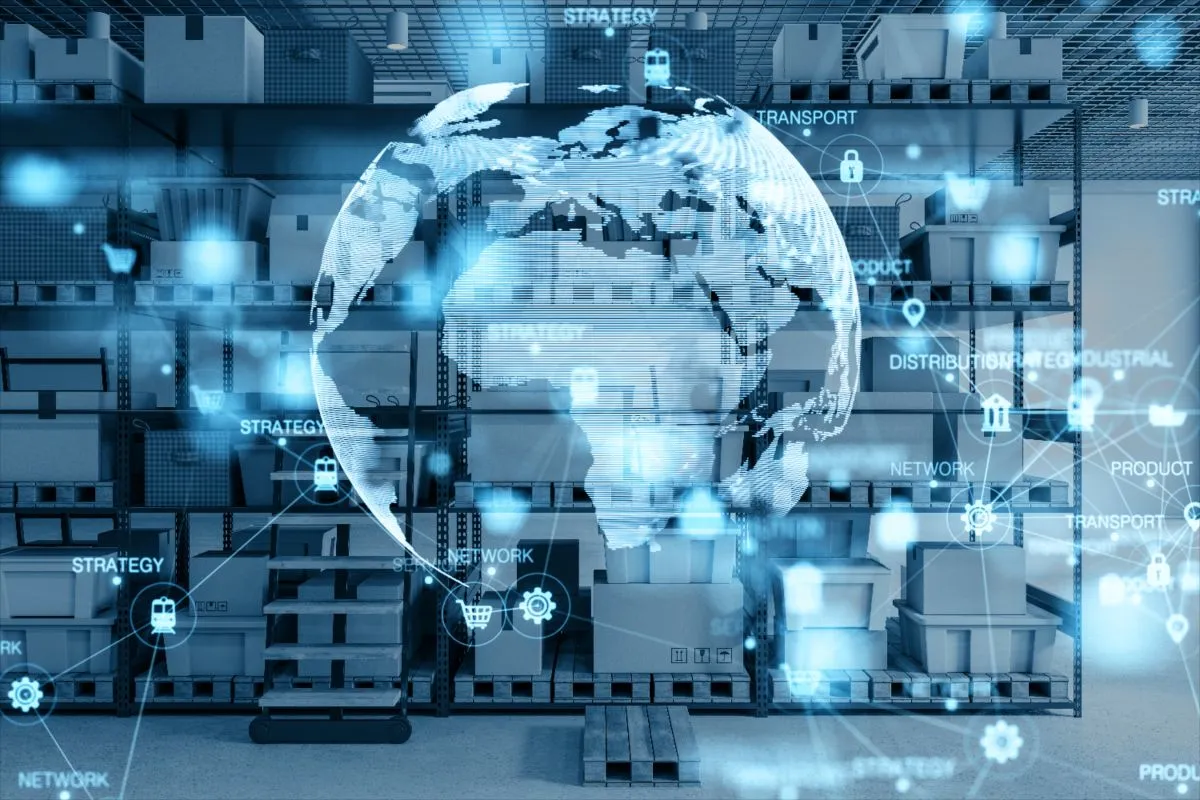


The logistics industry is undergoing one of the most significant transformations in its history. As ecommerce continues to expand globally, traditional freight forwarding models are evolving into technology-driven ecosystems powered by automation, real-time data, and digital connectivity. At the center of this shift is digital freight forwarding, a modern approach that is redefining how goods move across international supply chains.
In 2026, businesses are no longer looking only for transportation providers—they are seeking logistics partners capable of delivering visibility, scalability, and operational intelligence. Companies that adopt digital freight forwarding strategies are improving efficiency, reducing delays, and creating more resilient supply chains capable of supporting global ecommerce growth.
For modern logistics operations, digital freight forwarding represents far more than automation. It is becoming the foundation of smarter, faster, and more connected global trade.
Why Digital Freight Forwarding Is a Major Industry Trend
The rapid growth of ecommerce has increased pressure on logistics providers to deliver faster, more transparent, and more scalable services. According to recent data on global ecommerce sales growth trends, worldwide online retail continues to expand rapidly, creating greater demand for advanced logistics solutions.
At the same time, businesses are facing increasing complexity across international supply chains, including fluctuating transportation capacity, customs regulations, and rising customer expectations. These challenges are accelerating the adoption of digital freight forwarding technologies designed to streamline operations and improve decision-making.
As explored in modern ecommerce logistics services, logistics is no longer just about moving cargo—it is about managing data, visibility, and operational efficiency across interconnected global networks.
What Is Digital Freight Forwarding
Digital freight forwarding refers to the use of technology platforms, automation tools, and real-time data systems to manage freight operations more efficiently. Unlike traditional freight forwarding, which often relies on manual communication and fragmented systems, digital freight forwarding integrates transportation, documentation, tracking, and analytics into a unified digital environment.
This approach enables businesses to:
- Access real-time shipment visibility
- Automate documentation workflows
- Improve communication across supply chains
- Optimize transportation planning
As ecommerce supply chains become more complex, digital freight forwarding is emerging as a critical component of modern logistics strategy.
The Biggest Challenges in Traditional Freight Forwarding
Limited Visibility
Traditional freight forwarding systems often lack real-time tracking and centralized data access. This creates blind spots that make it difficult to manage disruptions efficiently.
Companies that improve ecommerce transit times increasingly rely on digital visibility tools to monitor shipments from origin to final delivery.
Manual Processes
Many logistics operations still depend on spreadsheets, emails, and manual documentation. These processes slow down operations and increase the risk of errors.
Delayed Decision-Making
Without real-time data, logistics teams struggle to respond quickly to changing market conditions, transportation disruptions, or inventory shortages.
Fragmented Communication
Coordinating carriers, warehouses, customs brokers, and distribution networks through disconnected systems creates inefficiencies across the supply chain.
How Automation Is Transforming Freight Forwarding
Automation is becoming one of the most powerful drivers behind digital freight forwarding innovation. Companies are integrating advanced technologies into logistics operations to improve speed, accuracy, and scalability.
Real-Time Shipment Tracking
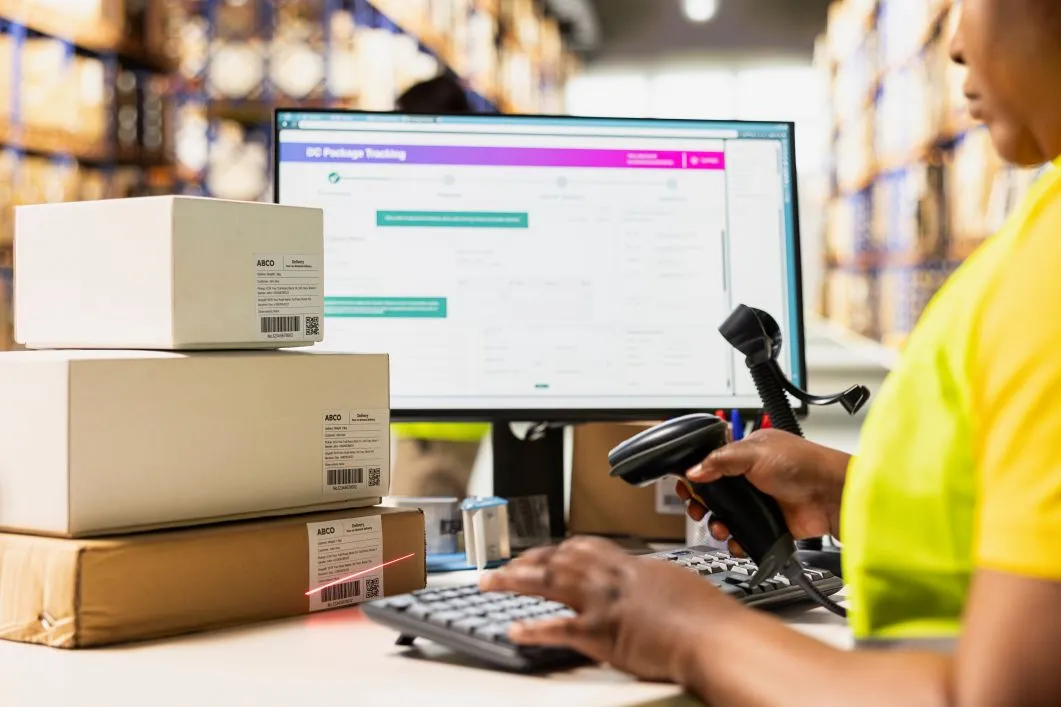
Digital platforms now provide end-to-end shipment visibility, allowing companies to monitor freight movements in real time. This improves operational transparency and customer communication.
According to insights on supply chain visibility and logistics optimization, businesses leveraging visibility tools significantly improve logistics performance and disruption response times.
Automated Documentation
Automation tools can now generate shipping documents, customs forms, and invoices automatically, reducing administrative workload and minimizing human error.
AI-Driven Route Optimization
Artificial intelligence is helping companies optimize transportation routes based on cost, transit time, weather conditions, and carrier performance.
As discussed in ecommerce demand forecasting, predictive analytics is becoming increasingly important for aligning logistics operations with real-time market demand.
Predictive Supply Chain Analytics
Digital freight forwarding platforms use analytics to anticipate delays, identify bottlenecks, and improve operational planning. This proactive approach enhances supply chain resilience and efficiency.
Why Digital Freight Forwarding Matters for Ecommerce
The growth of ecommerce has fundamentally changed logistics expectations. Customers now expect fast delivery, transparent tracking, and reliable fulfillment regardless of geographic location.
Digital freight forwarding helps ecommerce businesses meet these expectations by improving:
- Delivery visibility
- Transportation efficiency
- Inventory coordination
- Cross-border compliance
As explored in cross border logistics strategies, international ecommerce depends heavily on efficient coordination across multiple transportation and regulatory environments.
The Role of Data in Modern Logistics
Data has become one of the most valuable assets in logistics operations. Digital freight forwarding platforms collect and analyze large amounts of information related to transportation, inventory, carrier performance, and customer demand.
This enables companies to:
- Improve forecasting accuracy
- Optimize warehouse allocation
- Reduce transportation costs
- Improve customer service
As highlighted in inventory turnover ecommerce, data-driven logistics strategies help businesses improve operational efficiency and inventory flow.
How Digital Freight Forwarding Supports Scalability
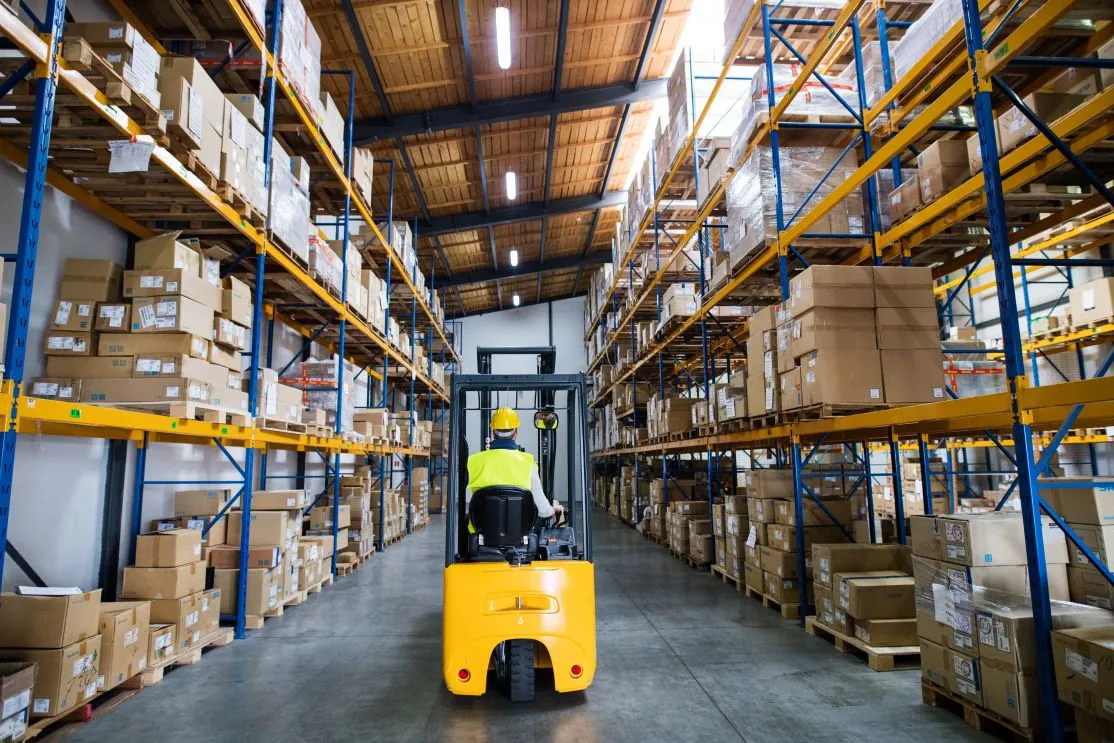
Scalability is one of the biggest challenges in ecommerce logistics. As order volumes increase, traditional systems often struggle to keep up with operational complexity.
Digital freight forwarding provides scalable infrastructure capable of supporting:
- High shipment volumes
- Multiple transportation modes
- International fulfillment operations
- Real-time operational visibility
This flexibility allows businesses to expand globally without sacrificing logistics performance.
The Future of Freight Forwarding Technology
The future of logistics will continue to be shaped by automation, artificial intelligence, and digital connectivity. Emerging trends in digital freight forwarding include:
- AI-powered logistics platforms
- Blockchain-based shipment verification
- Automated customs processing
- Smart warehouse integration
According to research on global supply chain digital transformation trends, digital technologies will continue to accelerate logistics innovation across global trade networks.
Companies that invest early in digital freight forwarding technologies will gain a significant competitive advantage in speed, visibility, and operational resilience.
How LCX Freight Supports Digital Logistics Transformation
LCX Freight helps businesses modernize supply chain operations through integrated logistics solutions designed for the digital era. By combining freight forwarding expertise with scalable logistics infrastructure, LCX Freight enables companies to improve operational efficiency and visibility across global supply chains.
Key capabilities include:
- Multimodal freight coordination
- Real-time shipment visibility
- Cross-border logistics expertise
- Scalable ecommerce logistics support
These services allow businesses to optimize digital freight forwarding operations while improving supply chain performance and customer experience.
Conclusion
The logistics industry is entering a new era defined by automation, data, and digital connectivity. As ecommerce continues to expand globally, digital freight forwarding is becoming essential for companies seeking faster, smarter, and more scalable logistics operations.
By integrating automation, predictive analytics, and real-time visibility into supply chain operations, businesses can reduce inefficiencies, improve customer satisfaction, and strengthen global fulfillment performance.
Companies that embrace digital freight forwarding today will be better positioned to compete in the increasingly connected future of global ecommerce logistics.