



As ecommerce continues to expand globally, logistics costs have become one of the most important factors affecting profitability and scalability. Rising transportation rates, fuel volatility, labor shortages, and increasing customer delivery expectations are forcing companies to rethink how they manage supply chain expenses. In this environment, freight cost optimization has become a critical strategy for businesses seeking long-term growth and operational resilience.
In 2026, companies are no longer focused solely on moving products quickly—they are focused on moving them intelligently. Businesses that implement freight cost optimization strategies are improving supply chain efficiency, reducing operational waste, and creating more scalable logistics networks capable of supporting global ecommerce growth.
As global trade becomes increasingly complex, freight cost optimization is emerging as one of the most important competitive advantages in modern logistics management.
Why Freight Cost Optimization Matters in Ecommerce
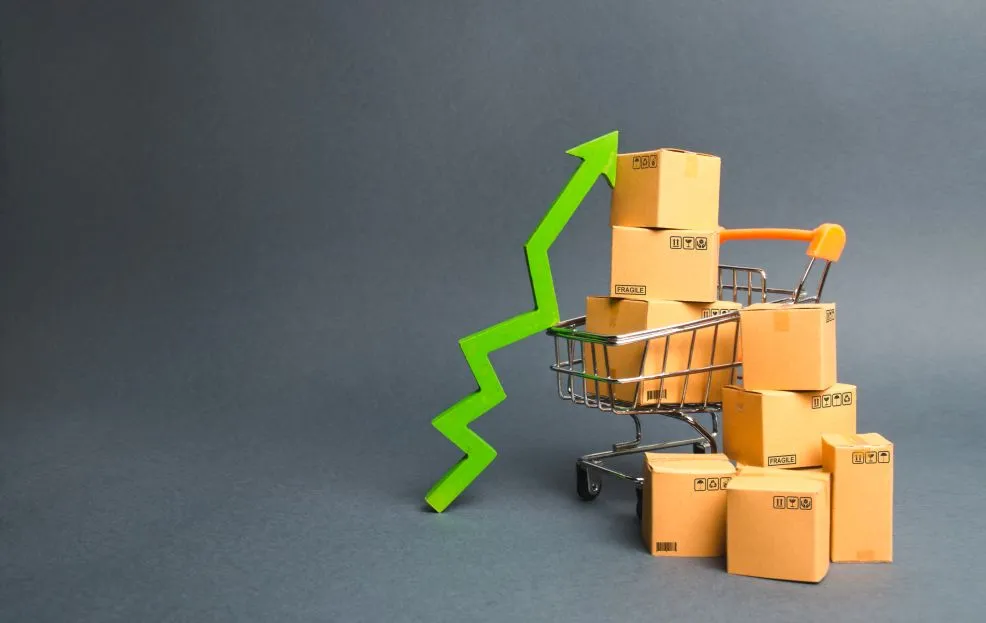
The rapid growth of ecommerce has significantly increased transportation demand across global supply chains. According to recent data on global ecommerce sales growth trends, worldwide online retail continues expanding rapidly, placing additional pressure on logistics infrastructure and transportation capacity.
At the same time, customers expect faster shipping, transparent delivery visibility, and lower shipping costs. These expectations create operational challenges for businesses trying to balance profitability with service quality.
As explored in modern ecommerce logistics services, scalable supply chains depend heavily on efficient transportation planning and cost management. Businesses that fail to optimize freight operations often struggle with shrinking margins and operational inefficiencies.
What Is Freight Cost Optimization
Freight cost optimization refers to the process of reducing transportation expenses while maintaining operational performance, delivery speed, and supply chain reliability. Rather than focusing solely on cutting costs, freight cost optimization aims to improve efficiency across the entire logistics network.
This includes:
- Optimizing transportation routes
- Improving carrier selection
- Reducing empty miles
- Enhancing shipment consolidation
- Increasing visibility across supply chains
Modern freight cost optimization strategies rely heavily on automation, predictive analytics, and integrated logistics systems to improve decision-making and operational efficiency.
The Biggest Drivers of Freight Costs
Fuel Volatility
Fuel prices remain one of the largest contributors to transportation cost fluctuations. Changes in fuel markets directly affect freight rates and shipping expenses.
Capacity Constraints
Limited transportation capacity can increase shipping costs, especially during peak ecommerce seasons. Businesses that lack flexible logistics strategies often experience higher transportation expenses during periods of high demand.
Inefficient Routing
Poor route planning leads to unnecessary mileage, delays, and higher fuel consumption.
Companies improving ecommerce transit times frequently focus on optimizing transportation routes and shipment coordination.
Fragmented Supply Chains
Disconnected logistics operations reduce visibility and create inefficiencies that increase overall transportation costs.
Strategies for Freight Cost Optimization
Businesses seeking scalable growth must adopt proactive freight cost optimization strategies capable of improving both efficiency and resilience.
Multimodal Transportation Planning
One of the most effective strategies is the use of multimodal transportation, combining air, ocean, rail, and ground freight to balance speed and cost efficiency.
As explored in multimodal freight solutions, integrating multiple transportation modes allows businesses to create more flexible and cost-effective supply chains.
Shipment Consolidation
Consolidating shipments reduces transportation frequency and improves container utilization, lowering overall freight expenses.
Real-Time Visibility
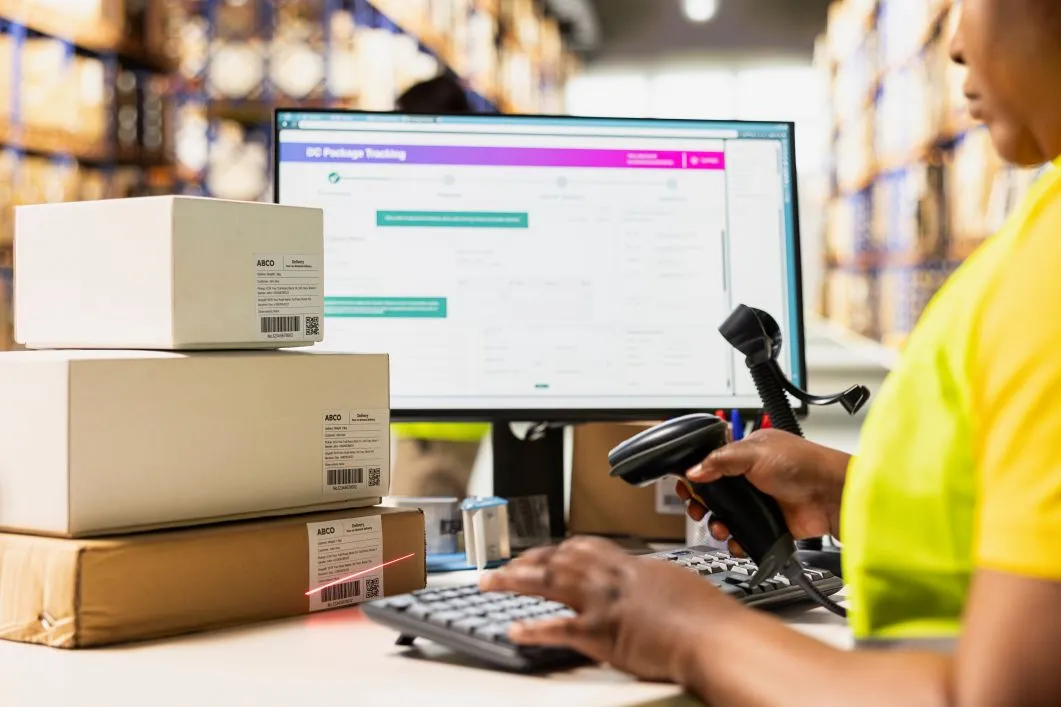
Visibility platforms allow businesses to monitor shipments, identify disruptions, and optimize transportation performance in real time.
According to insights on supply chain visibility and logistics optimization, companies leveraging visibility technologies significantly improve operational efficiency and transportation planning.
AI-Driven Analytics
Artificial intelligence is helping businesses predict demand, optimize carrier selection, and improve routing decisions.
As discussed in ecommerce demand forecasting, predictive analytics plays a critical role in aligning logistics operations with changing market conditions.
The Role of Freight Forwarders in Cost Optimization
Freight forwarders play a key role in helping businesses improve transportation efficiency and reduce logistics expenses. Through global carrier networks and operational expertise, freight forwarders help companies optimize freight cost optimization strategies across international supply chains.
This includes:
- Carrier negotiation
- Route planning
- Customs coordination
- Shipment consolidation
- Capacity management
As explored in digital freight forwarding, automation and data visibility are transforming how freight operations are managed globally.
Why Data Is Essential for Freight Cost Optimization
Modern logistics operations generate large amounts of operational data related to carrier performance, shipment timing, transportation costs, and delivery efficiency. Businesses that leverage this data effectively can make smarter logistics decisions and improve supply chain performance.
Data-driven freight cost optimization enables companies to:
- Improve forecasting accuracy
- Reduce transportation waste
- Identify cost-saving opportunities
- Improve inventory allocation
As highlighted in inventory turnover ecommerce, operational visibility and analytics are becoming increasingly important for scalable ecommerce logistics.
How Freight Cost Optimization Supports Scalability
Scalability is one of the biggest challenges in ecommerce logistics. As order volumes increase, transportation complexity and operational costs also rise.
Freight cost optimization helps businesses scale efficiently by improving:
- Transportation flexibility
- Delivery consistency
- Supply chain visibility
- Resource allocation
Businesses that optimize logistics operations early are better positioned to expand into new markets without sacrificing profitability or customer experience.
Sustainability and Freight Cost Optimization
Sustainability is becoming increasingly important across global supply chains. Many freight cost optimization strategies also support environmental efficiency by reducing fuel consumption and transportation waste.
This includes:
- Route optimization
- Shipment consolidation
- Efficient warehouse allocation
- Reduced empty miles
According to research on global supply chain digital transformation trends, sustainability and digital innovation are becoming closely connected in modern logistics strategy.
Businesses that prioritize sustainable logistics operations are strengthening both operational efficiency and brand reputation.
How LCX Freight Supports Smarter Logistics Operations
LCX Freight helps businesses improve transportation efficiency through integrated logistics solutions designed for scalable ecommerce growth. By combining freight forwarding expertise with advanced logistics coordination, LCX Freight enables companies to optimize freight cost optimization strategies while maintaining visibility and operational flexibility.
Key capabilities include:
- Multimodal freight coordination
- Cross-border logistics expertise
- Real-time shipment visibility
- Scalable ecommerce logistics support
These services help businesses create more efficient, resilient, and cost-effective global supply chains.
The Future of Freight Cost Optimization
The future of freight cost optimization will continue to be shaped by automation, artificial intelligence, and predictive logistics technologies. Emerging trends include:
- AI-powered transportation planning
- Smart carrier allocation systems
- Automated freight marketplaces
- Predictive supply chain analytics
Companies that invest in advanced logistics technologies today will gain a significant competitive advantage in operational efficiency, scalability, and customer satisfaction.
Conclusion
As ecommerce continues to reshape global supply chains, freight cost optimization has become essential for businesses seeking scalable and sustainable growth.
By improving transportation planning, leveraging data-driven insights, and integrating smarter logistics technologies, companies can reduce operational costs while maintaining high levels of efficiency and customer service.
Businesses that prioritize freight cost optimization today will be better positioned to compete in the increasingly connected and competitive future of global ecommerce logistics.