



Global ecommerce is entering a new era. Customer expectations continue to rise, supply chains are becoming increasingly interconnected, and technology is transforming how products move across borders. For online sellers, success is no longer determined solely by product quality or competitive pricing—it also depends on the ability to deliver products quickly, reliably, and efficiently anywhere in the world.
The future ecommerce logistics landscape is evolving faster than ever. Advances in artificial intelligence, automation, real-time visibility, predictive analytics, and digital freight forwarding are changing the way businesses manage international fulfillment. At the same time, shifting consumer expectations, geopolitical changes, sustainability initiatives, and global trade regulations are creating both opportunities and challenges for ecommerce companies.
For businesses selling internationally, understanding these trends is no longer optional. Companies that prepare today will be better positioned to reduce costs, improve customer satisfaction, and build resilient global supply chains capable of adapting to tomorrow’s marketplace.
In this article, we explore the most important trends shaping the future of ecommerce logistics and explain how online retailers can remain competitive in an increasingly dynamic global environment.
Why Ecommerce Logistics Is Changing So Quickly
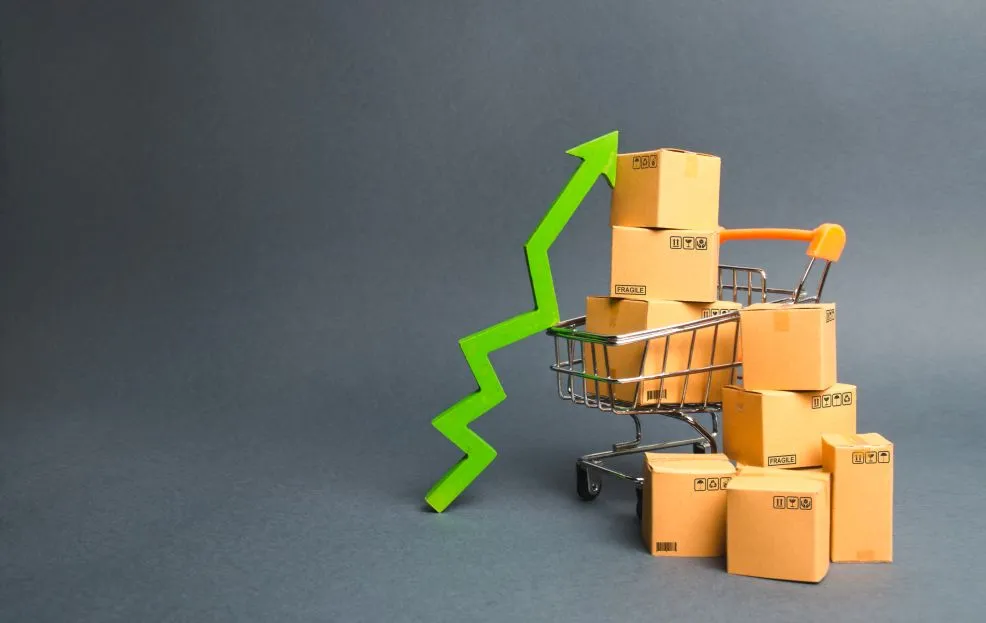
The growth of global ecommerce has fundamentally changed logistics.
Consumers expect rapid shipping, real-time tracking, flexible delivery options, and accurate delivery estimates regardless of where products originate.
According to global ecommerce market data, online retail continues to expand across international markets, increasing demand for more agile and technology-driven logistics solutions.
Traditional logistics models that relied on predictable shipping schedules and static inventory planning are no longer sufficient.
Today’s ecommerce businesses require supply chains capable of responding quickly to changing customer demand, transportation disruptions, inventory fluctuations, and evolving international trade requirements. The future ecommerce logistics depends on businesses building flexible, resilient supply chains that can adapt to these challenges and more.
As discussed in ecommerce logistics services, logistics has become a strategic advantage that directly influences customer satisfaction, operational efficiency, and long-term business growth.
Trend 1: Artificial Intelligence Will Drive Smarter Logistics Decisions
Artificial intelligence is becoming one of the most influential technologies in the future ecommerce logistics ecosystem.
Rather than simply automating repetitive tasks, AI helps businesses make better decisions by analyzing enormous amounts of logistics data in real time.
Applications include:
- Demand forecasting
- Carrier selection
- Route optimization
- Shipment prioritization
- Inventory planning
- Transportation risk analysis
- Predictive delivery estimates
As explored in digital freight forwarding, AI enables logistics providers to anticipate disruptions before they occur, allowing ecommerce businesses to respond proactively rather than reactively.
For international sellers, this means improved delivery reliability, lower transportation costs, and more resilient global operations.
Trend 2: Supply Chain Visibility Will Become a Customer Expectation
Shipment visibility has evolved from a competitive advantage into a customer expectation.
Modern consumers want to know where their order is at every stage of the journey.
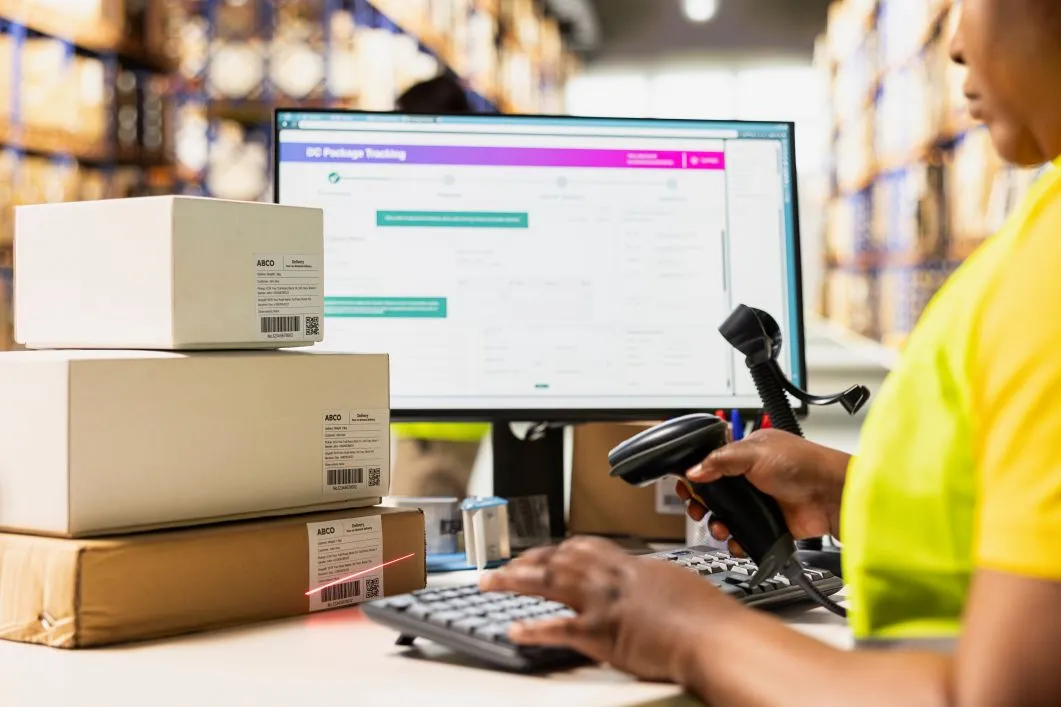
The future ecommerce logistics depends on real-time visibility, enabling businesses to manage inventory efficiently, identify delays, and coordinate transportation seamlessly across multiple countries.
Future ecommerce logistics will increasingly rely on integrated visibility platforms capable of tracking shipments across:
- Air freight
- Ocean freight
- Ground transportation
- Warehousing
- Customs clearance
- Final-mile delivery
According to Gartner’s supply chain research, organizations that improve supply chain visibility are better equipped to respond to disruptions while enhancing customer satisfaction.
Greater visibility also enables freight forwarding providers to communicate proactively with customers whenever unexpected transportation events occur.
Trend 3: Freight Forwarding Will Continue Becoming More Digital
The role of freight forwarding is rapidly evolving.
Historically, freight forwarding relied heavily on emails, phone calls, manual documentation, and disconnected systems.
Today, digital platforms are transforming freight forwarding into a faster, more connected, and data-driven service.
Digital freight forwarding now includes:
- Online shipment management
- Automated documentation
- Electronic customs processing
- Digital carrier booking
- Real-time shipment tracking
- Performance analytics
- AI-assisted transportation planning
Freight forwarding companies that embrace digital transformation are shaping the future ecommerce logistics, positioning themselves to provide the transparency and responsiveness that ecommerce businesses increasingly demand.
For global online sellers, partnering with technology-enabled freight forwarding providers can significantly improve operational efficiency while reducing administrative complexity.
Trend 4: Multimodal Transportation Will Become the Standard
International ecommerce rarely depends on a single transportation method.
Instead, successful businesses are increasingly combining multiple transportation modes to optimize both cost and delivery performance.
Multimodal logistics allows ecommerce companies to balance:
- Speed
- Transportation costs
- Capacity
- Reliability
- Inventory availability
As discussed in multimodal freight solutions, combining air, ocean, rail, and ground transportation creates more flexible supply chains that can quickly adapt to changing market conditions.
Rather than asking whether air or ocean freight is the better option, businesses are increasingly focusing on the future ecommerce logistics — determining which combination of shipping methods delivers the greatest overall value.
Trend 5: Data-Driven Inventory Planning Will Reduce Supply Chain Risk
Inventory management is becoming increasingly predictive.
Instead of reacting to shortages after they occur, ecommerce companies are using analytics to forecast demand and optimize inventory positioning before disruptions happen.
Modern forecasting considers:
- Historical sales
- Seasonal demand
- Promotional campaigns
- Market trends
- Regional purchasing behavior
- Supplier lead times
Businesses investing in ecommerce demand forecasting can improve inventory availability while reducing excess stock and emergency transportation costs.
For the future ecommerce logistics landscape, predictive inventory planning will become one of the most valuable competitive advantages available to global online retailers.
Trend 6: Cross-Border Ecommerce Will Continue Accelerating
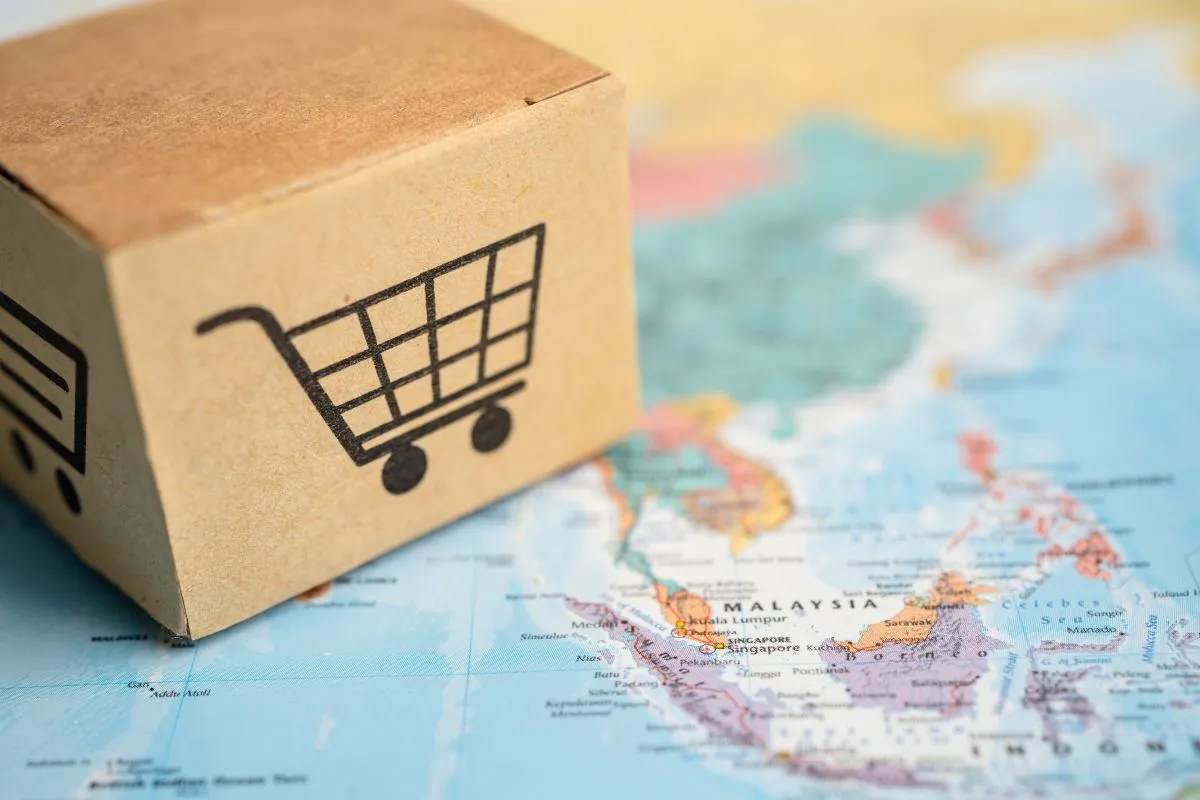
The future ecommerce logistics is making it easier than ever for businesses to sell internationally. Online marketplaces, localized payment solutions, and improved logistics networks are enabling businesses of all sizes to reach customers around the world.
However, international expansion also introduces new logistical challenges.
Global ecommerce businesses must coordinate:
- Customs clearance
- Duties and taxes
- International transportation
- Regional warehousing
- Inventory distribution
- Compliance with local regulations
As discussed in cross border logistics, successful international expansion requires much more than shipping products overseas. It demands a coordinated logistics strategy capable of supporting reliable, scalable growth across multiple markets.
Online sellers that invest in efficient cross-border logistics today will be better positioned to capitalize on future international ecommerce opportunities.
Trend 7: Sustainability Will Become a Competitive Advantage
Sustainability is no longer viewed solely as a corporate responsibility initiative—it is becoming an important business differentiator.
Consumers, investors, and business partners increasingly expect companies to demonstrate responsible environmental practices throughout their supply chains.
Future ecommerce logistics strategies will focus on:
- Shipment consolidation
- Optimized transportation routes
- Reduced empty miles
- Efficient inventory positioning
- Lower packaging waste
- More sustainable transportation planning
According to the World Economic Forum, sustainable and resilient supply chains will continue to play a critical role in global commerce over the coming decade.
Rather than viewing sustainability as an additional cost, many ecommerce businesses are recognizing that the future ecommerce logistics lies in operational efficiency and environmental responsibility working hand in hand.
Trend 8: Faster Fulfillment Will Continue Defining Customer Experience
Customer expectations continue to evolve.
What was considered fast shipping only a few years ago has quickly become the standard.
Today’s consumers increasingly expect:
- Accurate delivery estimates
- Shorter shipping times
- Real-time order tracking
- Flexible delivery options
- Reliable inventory availability
Businesses improving ecommerce transit times are gaining an important competitive advantage by reducing delays throughout the supply chain rather than focusing only on final delivery.
Likewise, efficient final mile delivery strategies ensure that the benefits of optimized international transportation continue through the last stage of the customer journey.
Future ecommerce logistics will increasingly focus on delivering consistency as much as speed.
Trend 9: Resilient Supply Chains Will Outperform Reactive Ones
Recent global disruptions have demonstrated that supply chains must be designed for resilience, not simply efficiency.
The future ecommerce logistics depends on flexibility. Transportation delays, port congestion, labor shortages, geopolitical uncertainty, and changing trade regulations have all made that crystal clear.
Organizations are increasingly investing in:
- Diversified carrier networks
- Multiple sourcing strategies
- Regional inventory placement
- Alternative transportation routes
- Digital supply chain monitoring
- Contingency planning
Businesses that prioritize resilience are better prepared to maintain service levels even when unexpected disruptions occur.
Freight forwarding partners play a key role in helping ecommerce companies adapt transportation strategies quickly while minimizing operational risk.
Trend 10: Automation Will Continue Transforming Fulfillment Operations
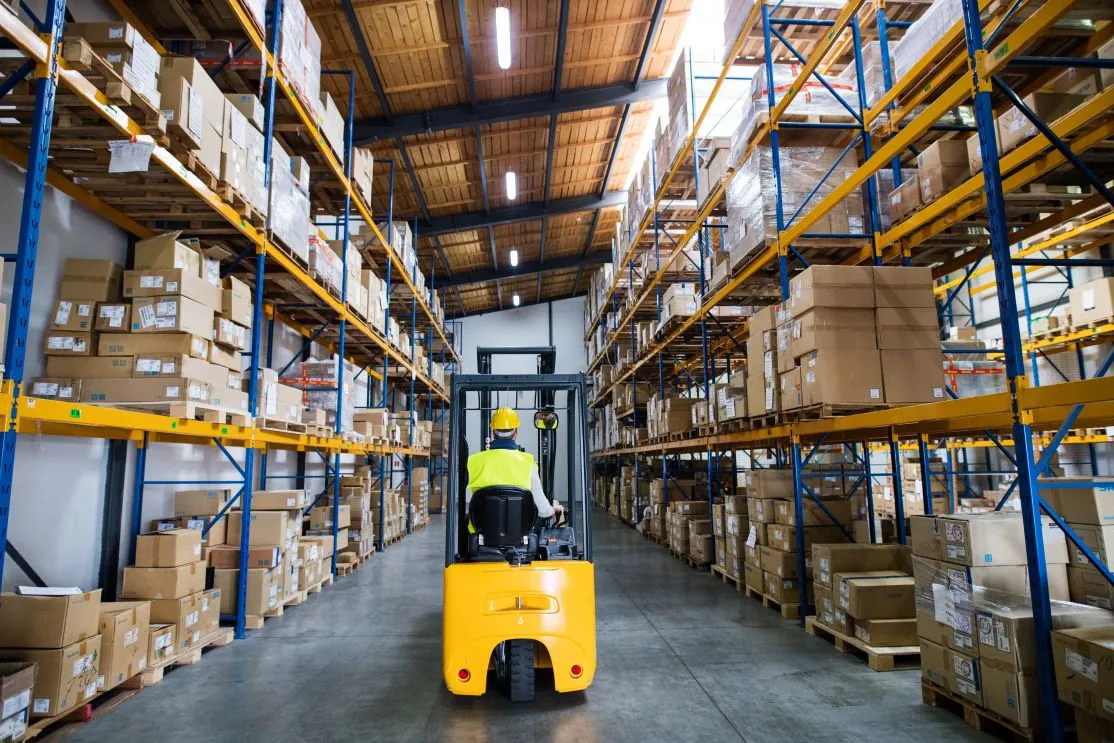
Automation is becoming one of the defining characteristics of modern fulfillment centers.
Warehouse technologies are helping businesses process orders faster while improving inventory accuracy and reducing operational costs.
Examples include:
- Automated inventory tracking
- Barcode and RFID technologies
- Robotic picking systems
- Automated sorting
- Smart warehouse management systems
- AI-assisted fulfillment planning
According to McKinsey & Company’s operations research, automation is enabling organizations to improve productivity while creating more agile and responsive supply chains.
As order volumes continue to increase globally, fulfillment automation will become essential for maintaining both speed and accuracy.
Frequently Asked Questions About the Future of Ecommerce Logistics
What is the future of ecommerce logistics?
The future ecommerce logistics landscape will be shaped by artificial intelligence, automation, digital freight forwarding, predictive analytics, multimodal transportation, and greater supply chain visibility. Businesses that adopt these technologies will be better positioned to improve efficiency and customer satisfaction.
How will AI change global logistics?
Artificial intelligence will improve demand forecasting, transportation planning, shipment visibility, route optimization, inventory management, and operational decision-making. AI will help businesses anticipate disruptions instead of reacting after they occur.
Will freight forwarding become fully digital?
The future ecommerce logistics lies in the digitisation of freight forwarding. From automated documentation and electronic customs processing to real-time tracking and predictive analytics, digital technologies are transforming the way we manage shipments. While human expertise will always play a vital role, these advancements will significantly improve operational efficiency for ecommerce businesses worldwide.
Why is supply chain visibility important?
Visibility allows businesses to monitor shipments in real time, identify disruptions early, improve inventory planning, communicate proactively with customers, and make faster operational decisions.
How can ecommerce businesses prepare for future logistics trends?
Online sellers should invest in technology, improve inventory forecasting, diversify transportation options, strengthen cross-border capabilities, and partner with experienced freight forwarding providers that offer flexible, scalable logistics solutions.
How LCX Freight Helps Businesses Prepare for the Future
Preparing for the future ecommerce logistics requires more than adopting new technologies—it requires partnering with logistics experts who understand how global supply chains continue to evolve.
LCX Freight combines international freight forwarding expertise with modern logistics solutions that help businesses remain competitive in a rapidly changing marketplace.
Our capabilities include:
- Global freight forwarding
- Air freight coordination
- Ocean freight management
- Cross-border logistics
- Multimodal transportation
- Customs brokerage support
- Real-time shipment visibility
- Data-driven transportation planning
Whether expanding into new international markets or optimizing existing supply chains, LCX Freight helps online sellers build future ecommerce logistics strategies that improve efficiency, reduce transportation risk, and support long-term business growth.
For businesses seeking to balance service quality with operational efficiency, freight cost optimization remains an essential part of creating scalable and profitable global logistics operations.
Conclusion
The future ecommerce logistics will be defined by technology, visibility, automation, resilience, and intelligent freight forwarding.
As international ecommerce continues to expand, businesses must adapt to the future ecommerce logistics by managing changing customer expectations and increasingly complex global supply chains. Artificial intelligence, digital freight forwarding, predictive analytics, automation, multimodal transportation, and sustainability are no longer emerging concepts—they are becoming the foundation of modern ecommerce logistics.
Companies that embrace these trends will be better equipped to reduce transportation costs, improve inventory availability, strengthen customer satisfaction, and respond quickly to changing market conditions.
Rather than viewing logistics as a back-office operation, successful online sellers increasingly recognize it as a strategic driver of growth and competitive advantage.
By partnering with an experienced freight forwarding provider like LCX Freight, businesses gain the expertise, technology, and flexibility needed to navigate the evolving logistics landscape with confidence. Investing in the future ecommerce logistics today means building a supply chain that is prepared not only for the challenges of tomorrow but also for the opportunities that global ecommerce will continue to create.