


Cross-border ecommerce has evolved from a niche opportunity into one of the most powerful drivers of global trade. Consumers today can purchase products from virtually any country with just a few clicks, creating enormous opportunities for businesses to expand beyond domestic markets. However, this growth also introduces significant logistics challenges, including longer transportation routes, customs procedures, inventory management complexities, and increasing customer expectations for faster delivery.
To meet these challenges, companies are rethinking how goods move across international supply chains. One strategy that has gained significant momentum is multimodal logistics. By combining multiple transportation methods into a single coordinated logistics solution, businesses can improve flexibility, reduce costs, and enhance delivery performance across global ecommerce networks.
In 2026, multimodal logistics is becoming more than a transportation strategy—it is a competitive advantage. Companies that successfully integrate air, ocean, rail, and trucking services into their supply chains are better positioned to respond to market fluctuations, optimize delivery times, and create scalable cross-border ecommerce operations.
As international online shopping continues to grow, multimodal logistics is emerging as one of the most important enablers of efficient and resilient global fulfillment.
Why Cross-Border Ecommerce Is Driving Logistics Innovation
Global ecommerce growth has fundamentally changed how supply chains operate. According to global ecommerce sales growth trends, international online retail continues expanding rapidly, creating new opportunities and challenges for logistics providers worldwide.
Customers increasingly expect:
- Faster international delivery
- Real-time shipment visibility
- Lower shipping costs
- Reliable order fulfillment
- Flexible delivery options
Meeting these expectations requires more sophisticated logistics strategies than traditional transportation models can often provide.
As explored in ecommerce logistics services, modern supply chains must operate as integrated ecosystems where transportation, warehousing, inventory management, and fulfillment work together seamlessly.
This shift is one of the primary reasons multimodal logistics is becoming increasingly important in cross-border ecommerce.
What Is Multimodal Logistics?
Multimodal logistics refers to the movement of freight using two or more transportation modes under a coordinated logistics strategy.
Common multimodal combinations include:
- Air and trucking
- Ocean and rail
- Ocean and trucking
- Air, rail, and ground transportation
Rather than relying exclusively on one transportation method, multimodal logistics enables businesses to select the most efficient combination based on shipment requirements, delivery timelines, and budget considerations.
For example, a shipment may travel by ocean freight from Asia to the United States before being transferred to rail and then trucking for final distribution. Another shipment may move by air to meet urgent demand and then continue through regional ground transportation networks.
This flexibility allows businesses to optimize both speed and cost while improving overall supply chain performance.
Why Multimodal Logistics Is Gaining Momentum
Several factors are contributing to the growing adoption of multimodal logistics across ecommerce supply chains.
Rising Transportation Costs
Transportation expenses continue to increase due to fuel costs, labor shortages, infrastructure challenges, and fluctuating capacity levels.
Companies implementing freight cost optimization strategies are increasingly turning to multimodal logistics to improve efficiency while maintaining service levels.
Rather than relying entirely on expensive transportation methods, businesses can strategically combine modes to balance performance and cost.
Supply Chain Disruptions
Recent years have demonstrated how vulnerable global supply chains can be to unexpected disruptions.
Port congestion, geopolitical instability, severe weather events, and capacity shortages have highlighted the importance of flexibility.
Multimodal logistics provides alternative routing options that help organizations respond quickly when disruptions occur.
This adaptability strengthens supply chain resilience and reduces operational risk.
Increased Demand for Faster Delivery
Delivery speed remains one of the most important factors influencing customer satisfaction.
Organizations focused on improving ecommerce transit times often leverage multimodal logistics to accelerate shipments without dramatically increasing transportation costs.
By combining transportation methods strategically, companies can improve delivery performance while maintaining profitability.
The Connection Between Multimodal Logistics and Cross-Border Ecommerce
Cross-border ecommerce introduces unique transportation challenges that require greater coordination than domestic fulfillment operations.
International shipments frequently involve:
- Multiple carriers
- Customs authorities
- Transportation hubs
- Warehousing facilities
- Distribution networks
As explored in cross border logistics, successful international fulfillment depends on efficient coordination between these various stakeholders.
Multimodal logistics provides the framework needed to manage this complexity while maintaining visibility and operational control.
Instead of viewing transportation as a series of disconnected activities, multimodal logistics creates a unified strategy that connects every stage of the journey.
The Role of Technology in Multimodal Logistics
Technology is transforming how multimodal logistics networks operate.
Modern logistics platforms provide visibility, automation, and analytical capabilities that help businesses coordinate shipments more effectively.
Real-Time Shipment Visibility
One of the most significant benefits of modern logistics technology is end-to-end visibility.
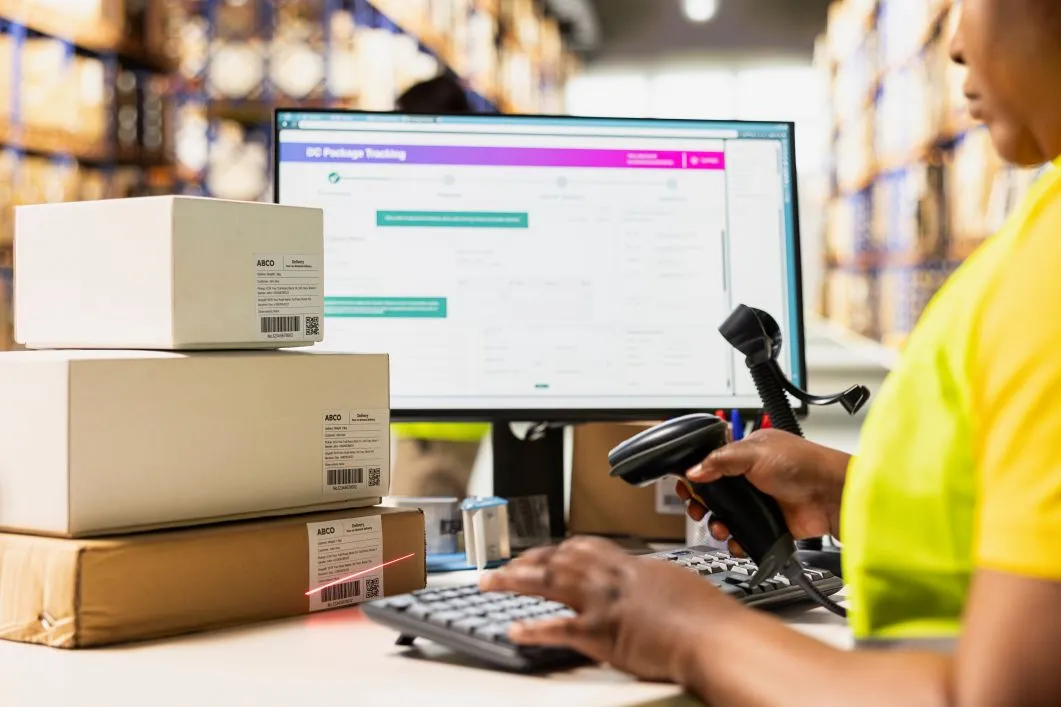
Businesses can now track shipments across multiple transportation modes using centralized digital platforms.
According to insights on supply chain visibility and logistics optimization, organizations that invest in visibility technologies improve operational responsiveness and supply chain performance.
Real-time tracking helps companies:
- Monitor shipment status
- Identify delays
- Improve customer communication
- Enhance decision-making
Predictive Analytics
Advanced analytics tools are helping businesses forecast demand and optimize transportation planning.
As discussed in ecommerce demand forecasting, predictive insights enable companies to align inventory positioning with expected customer demand.
This improves transportation efficiency while reducing unnecessary logistics costs.
Digital Freight Platforms
The rise of digital freight forwarding is making multimodal logistics easier to manage than ever before.
Digital platforms streamline:
- Carrier selection
- Documentation processing
- Shipment booking
- Transportation visibility
- Performance reporting
These technologies simplify coordination between multiple transportation providers and improve operational efficiency.
The Strategic Role of Freight Forwarders
Freight forwarders play a critical role in enabling multimodal logistics success.
Managing multiple transportation modes requires expertise in carrier management, customs compliance, route planning, documentation, and risk mitigation.
Freight forwarders help businesses navigate these complexities while optimizing transportation performance.
Their responsibilities often include:
- Carrier selection
- Route optimization
- Customs coordination
- Shipment visibility
- Capacity management
As global ecommerce becomes increasingly complex, freight forwarders are evolving into strategic logistics partners capable of helping businesses build more agile and resilient supply chains.
Multimodal Logistics and Air Freight
One of the most valuable components of multimodal logistics is the ability to incorporate air transportation when speed is essential.
As explored in ecommerce air freight, air transportation provides unmatched speed for time-sensitive shipments, product launches, seasonal inventory surges, and urgent replenishment needs.
However, air freight is most effective when integrated into a broader multimodal strategy rather than used as a standalone solution.
Businesses often use air transportation selectively while relying on ocean, rail, and trucking services for routine inventory movement.
This approach helps maximize efficiency while controlling transportation costs.
Multimodal Logistics and Final Mile Delivery
Global transportation is only one part of the customer journey. No matter how efficiently products move across oceans, borders, airports, or rail networks, the supply chain is ultimately judged by its ability to complete the final delivery successfully.
As discussed in final mile delivery, the last stage of fulfillment often has the greatest impact on customer satisfaction. Customers rarely see the complexity involved in international transportation, but they immediately notice whether a package arrives on time.
Multimodal logistics helps bridge the gap between international freight movement and local distribution by creating seamless transitions between transportation modes. This coordination improves reliability while reducing delays and inefficiencies.
Benefits include:
- Faster customer delivery
- Improved shipment visibility
- Better inventory allocation
- Reduced delivery disruptions
- Enhanced customer experience
As ecommerce continues to grow globally, the ability to connect long-haul transportation with efficient final delivery networks will remain a critical competitive advantage.
Sustainability Benefits of Multimodal Logistics
Sustainability is becoming increasingly important in global supply chain management. Consumers, investors, and regulators are placing greater emphasis on environmentally responsible business practices.
Fortunately, multimodal logistics often supports both environmental and operational goals simultaneously.
Instead of relying exclusively on higher-emission transportation methods, businesses can strategically allocate freight based on urgency and efficiency requirements.
Common sustainability benefits include:
- Reduced fuel consumption
- Lower transportation emissions
- Improved equipment utilization
- Reduced empty miles
- Better route optimization
For example, businesses may use ocean transportation for non-urgent inventory while reserving air freight for high-priority shipments. This approach reduces overall environmental impact while maintaining service performance.
According to research on global supply chain digital transformation trends, sustainability initiatives are becoming closely connected to logistics innovation and long-term supply chain strategy.
Organizations that successfully align sustainability and efficiency are creating stronger, more resilient operations capable of meeting evolving market expectations.
How AI Is Transforming Multimodal Logistics
Artificial intelligence is rapidly becoming one of the most influential technologies in modern logistics.
As transportation networks become more complex, businesses need advanced tools capable of processing large amounts of operational data and generating actionable insights.
AI-driven systems are helping organizations improve multimodal logistics through:
- Route optimization
- Demand forecasting
- Capacity planning
- Risk management
- Predictive maintenance
- Automated decision-making
Rather than reacting to disruptions after they occur, AI enables businesses to anticipate problems before they impact operations.
As explored in ecommerce demand forecasting, predictive analytics allows supply chains to align transportation resources with anticipated demand patterns.
This capability is becoming increasingly important as cross-border ecommerce volumes continue to increase.
Why Multimodal Logistics Supports Supply Chain Resilience
One of the most significant lessons from recent global supply chain disruptions is the importance of flexibility.
Businesses that relied heavily on a single transportation mode often experienced greater challenges when disruptions occurred.
Multimodal logistics reduces this risk by providing alternative routing options and transportation flexibility.
When capacity constraints, weather events, port congestion, or geopolitical issues impact one transportation mode, businesses can shift freight to alternative solutions.
This resilience helps organizations:
- Reduce operational risk
- Improve service reliability
- Maintain customer satisfaction
- Protect revenue opportunities
- Respond more effectively to disruptions
As discussed in time sensitive freight, maintaining transportation flexibility is essential for businesses operating in fast-moving global markets.
Frequently Asked Questions About Multimodal Logistics
What is the biggest advantage of multimodal logistics?
The biggest advantage is flexibility. Multimodal logistics allows businesses to combine transportation methods based on cost, speed, capacity, and delivery requirements, creating more efficient supply chains.
Why is multimodal logistics important for ecommerce?
Cross-border ecommerce requires products to move through multiple transportation networks and countries. Multimodal logistics improves coordination and helps businesses maintain delivery performance while controlling costs.
Does multimodal logistics reduce transportation costs?
In many cases, yes. By strategically combining transportation modes, businesses can improve efficiency and avoid relying exclusively on higher-cost shipping methods.
Companies implementing freight cost optimization strategies frequently use multimodal transportation to improve profitability.
How does technology support multimodal logistics?
Technology provides shipment visibility, predictive analytics, route optimization, automated documentation, and transportation planning tools that improve efficiency across supply chains.
Is multimodal logistics suitable for cross-border ecommerce?
Absolutely. In fact, multimodal logistics has become one of the most effective ways to support international ecommerce growth because it improves flexibility, scalability, and resilience.
How LCX Freight Supports Multimodal Logistics
LCX Freight helps businesses develop integrated multimodal logistics strategies designed to support global ecommerce growth and supply chain efficiency.
Through its international freight forwarding expertise and global transportation network, LCX Freight enables organizations to create customized logistics solutions that balance speed, cost, and reliability.
Key capabilities include:
- Air freight coordination
- Ocean freight management
- Ground transportation planning
- Cross-border logistics execution
- Real-time shipment visibility
- Transportation optimization
- Supply chain consulting
By combining these services into a unified strategy, LCX Freight helps businesses improve operational performance while supporting long-term scalability.
As explored in ecommerce logistics services blog, integrated logistics solutions are becoming increasingly important for businesses operating in competitive global markets.
The Future of Multimodal Logistics
The future of multimodal logistics will be defined by greater connectivity, automation, visibility, and intelligence.
Several trends are expected to shape the industry over the coming years:
- AI-powered transportation planning
- Automated carrier selection
- Digital freight marketplaces
- Enhanced shipment visibility
- Sustainable transportation networks
- Predictive supply chain analytics
- Smart logistics ecosystems
According to insights on supply chain visibility and logistics optimization, organizations that invest in digital logistics capabilities will be better positioned to improve efficiency and competitiveness.
As ecommerce continues to expand internationally, multimodal logistics will play an increasingly important role in helping businesses navigate growing complexity while maintaining customer satisfaction.
Conclusion
The rise of cross-border ecommerce is transforming how goods move around the world. Businesses are under increasing pressure to deliver products faster, more efficiently, and with greater visibility than ever before.
Multimodal logistics has emerged as one of the most effective strategies for meeting these challenges. By combining multiple transportation methods into a coordinated and flexible supply chain solution, organizations can improve efficiency, reduce risk, enhance customer experience, and support sustainable growth.
From improving delivery performance and controlling transportation costs to strengthening resilience and supporting international expansion, multimodal logistics is helping businesses redefine what is possible in global ecommerce fulfillment.
Companies that invest in multimodal logistics today will be better positioned to compete in the future of international trade, where flexibility, visibility, and operational excellence will continue to define success.