


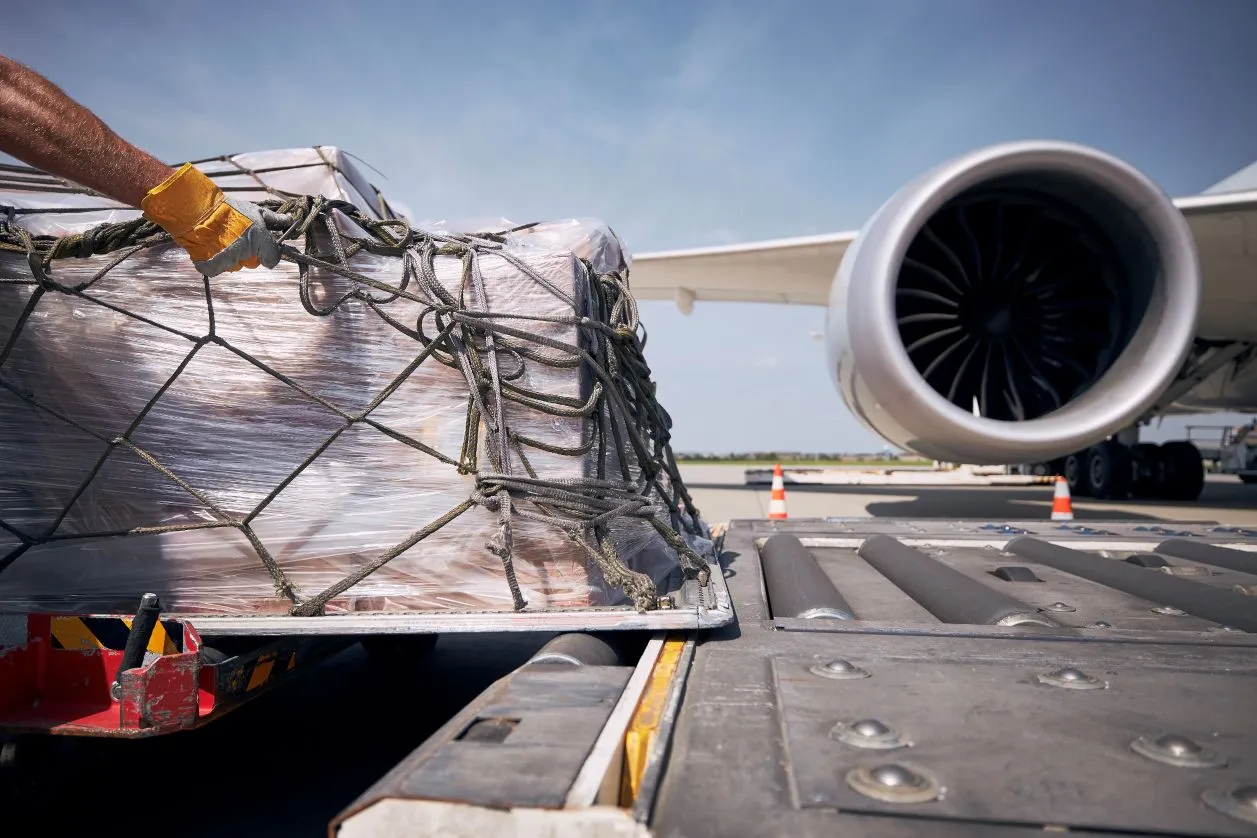
The growth of ecommerce has transformed customer expectations around delivery speed. Consumers increasingly expect products to arrive within days—or even hours—regardless of where those products originate. As a result, businesses are constantly evaluating how to balance delivery speed with transportation costs. One of the most important decisions in this process is determining when ecommerce air freight is the right solution.
In 2026, logistics leaders are no longer asking whether speed matters. Instead, they are asking when speed justifies the additional investment required by air transportation. While ocean freight and ground transportation remain essential for cost efficiency, ecommerce air freight continues to play a critical role in supporting high-demand, time-sensitive, and globally distributed supply chains.
As ecommerce becomes increasingly international, understanding the relationship between speed, cost, and customer satisfaction is essential for building scalable logistics operations.
Why Ecommerce Air Freight Is Becoming More Important
The continued expansion of global ecommerce is creating new challenges for supply chains. According to recent data on global ecommerce sales growth trends, online retail continues to grow across international markets, increasing pressure on businesses to fulfill orders faster than ever before.
Customers today expect:
- Faster delivery times
- Real-time shipment tracking
- Reliable inventory availability
- Seamless international fulfillment
Meeting these expectations often requires logistics strategies that prioritize speed over traditional cost structures. This is where ecommerce air freight becomes a strategic advantage.
As discussed in ecommerce logistics services, modern fulfillment operations depend on selecting the right transportation mode for each shipment based on urgency, value, and customer expectations.
What Is Ecommerce Air Freight?
Ecommerce air freight refers to the use of air transportation to move goods quickly through domestic and international supply chains. Unlike ocean freight, which prioritizes cost efficiency, ecommerce air freight focuses on reducing transit times and improving delivery performance.
This transportation method is commonly used for:
- High-value products
- Time-sensitive inventory
- Product launches
- Seasonal demand spikes
- Cross-border ecommerce orders
While ecommerce air freight typically involves higher transportation costs, it offers significant advantages in speed, flexibility, and supply chain responsiveness.
When Does Ecommerce Air Freight Make Sense?
One of the most common questions businesses ask is whether air freight is worth the additional expense. The answer depends on the business objective and the nature of the shipment.
High-Value Products
For premium electronics, luxury goods, pharmaceuticals, and specialized equipment, transportation cost often represents a small percentage of overall product value.
In these situations, ecommerce air freight can protect customer satisfaction while minimizing inventory risk.
Time-Critical Orders
Some shipments simply cannot wait for ocean transit schedules. Businesses facing urgent replenishment needs often rely on ecommerce air freight to avoid stockouts and lost sales.
As explored in ecommerce transit times, delivery speed remains one of the strongest factors influencing customer satisfaction and conversion rates.
Seasonal Demand Surges
Peak ecommerce periods such as Black Friday, Cyber Monday, and holiday shopping seasons often create inventory challenges.
Air freight allows businesses to react quickly to unexpected demand spikes while maintaining product availability.
New Market Expansion
Companies entering new international markets frequently use ecommerce air freight during the early stages of expansion before establishing local inventory infrastructure.
The Cost Challenge of Air Freight
Despite its advantages, ecommerce air freight comes with higher transportation costs compared to ocean or ground freight.
Several factors contribute to these costs:
Limited Capacity
Aircraft have significantly less cargo capacity than ocean vessels, creating higher transportation costs per unit shipped.
Fuel Costs
Air transportation is heavily influenced by fuel pricing, making cost management an important consideration.
Infrastructure Requirements
Air freight operations require specialized handling, airport facilities, security procedures, and expedited customs processing.
For businesses pursuing freight cost optimization, balancing transportation speed with profitability is a critical part of logistics strategy.
Speed vs. Cost: Finding the Right Balance
The decision between air freight and alternative transportation methods should not be viewed as an either-or choice. Instead, successful companies develop flexible transportation strategies that align with business objectives.
Questions logistics teams should ask include:
- What is the value of the shipment?
- What are customer delivery expectations?
- What are the costs of delayed inventory?
- How important is delivery speed to revenue generation?
In many cases, ecommerce air freight serves as part of a broader multimodal strategy rather than a standalone solution.
The Role of Multimodal Logistics
Modern supply chains increasingly combine multiple transportation modes to optimize both speed and cost.
As discussed in multimodal freight solutions, businesses can leverage air freight for urgent inventory while using ocean and ground transportation for less time-sensitive shipments.
This hybrid approach allows organizations to:
- Reduce transportation expenses
- Improve delivery performance
- Increase supply chain flexibility
- Respond more effectively to market changes
Multimodal logistics is becoming one of the most effective ways to maximize the benefits of ecommerce air freight without compromising profitability.
How Technology Is Improving Ecommerce Air Freight
Technology is transforming how companies manage air freight operations.
Real-Time Visibility
Advanced tracking platforms provide continuous shipment monitoring, improving transparency and communication.
According to insights supply chain visibility and logistics optimization, visibility tools significantly improve operational performance and decision-making.
Predictive Analytics
Artificial intelligence and predictive analytics help businesses forecast demand and allocate transportation resources more effectively.
As explored in ecommerce demand forecasting, predictive planning reduces supply chain disruptions and improves inventory management.
Automated Routing
Digital freight platforms are increasingly using automation to optimize routing decisions and carrier selection.
This technology helps businesses improve ecommerce air freight efficiency while controlling costs.
Why Freight Forwarders Matter in Air Freight Operations
Managing air freight requires expertise in carrier coordination, customs compliance, documentation, and shipment visibility.
Freight forwarders play a critical role by:
- Securing carrier capacity
- Managing customs requirements
- Coordinating multimodal transportation
- Providing shipment visibility
As highlighted in digital freight forwarding, technology-driven freight forwarding is improving speed, transparency, and operational efficiency across global logistics networks.
How LCX Freight Supports Ecommerce Air Freight
LCX Freight helps businesses leverage ecommerce air freight strategically as part of broader global supply chain operations.
Through its international logistics expertise, LCX Freight provides:
- Air freight coordination
- Multimodal transportation planning
- Cross-border logistics support
- Real-time shipment visibility
- Scalable ecommerce logistics solutions
These capabilities allow businesses to balance transportation speed with operational efficiency while supporting customer expectations and global growth.
The Future of Ecommerce Air Freight
The future of ecommerce air freight will be shaped by increasing customer expectations, digital transformation, and evolving global supply chains.
Emerging trends include:
- AI-powered logistics planning
- Sustainable aviation initiatives
- Enhanced shipment visibility
- Greater multimodal integration
According to research on global supply chain digital transformation trends, technology will continue driving innovation across transportation networks worldwide.
Businesses that embrace these innovations will be better positioned to optimize speed, cost, and customer experience.
Conclusion
As ecommerce continues to evolve, transportation decisions are becoming increasingly strategic. Ecommerce air freight provides unmatched speed and flexibility, making it an essential tool for businesses managing high-value products, urgent inventory needs, and global fulfillment operations.
While air transportation involves higher costs, the benefits often outweigh the expense when customer expectations, inventory availability, and revenue opportunities are considered.
Companies that integrate ecommerce air freight into a broader logistics strategy will be better positioned to deliver faster, scale globally, and compete successfully in the future of ecommerce logistics.