
The rapid expansion of ecommerce has transformed global supply chains into highly interconnected logistics ecosystems. Consumers now expect products to move seamlessly from international suppliers to their doorstep with speed, transparency, and reliability. While global freight networks manage long-distance transportation, final mile delivery has emerged as the final and often most critical stage of the customer experience.
In 2026, ecommerce success depends not only on moving goods across oceans and borders, but also on how efficiently those products complete the final leg of delivery. Businesses that optimize final mile delivery alongside global freight operations are creating faster, smarter, and more scalable supply chains capable of meeting rising customer expectations.
As ecommerce becomes increasingly global, bridging the gap between international freight movement and local delivery execution has become one of the most important challenges in modern logistics strategy.
Why Final Mile Delivery Is a Critical Ecommerce Trend
The growth of online shopping has significantly increased pressure on logistics providers to improve delivery speed and visibility. According to recent data on global ecommerce sales growth trends, worldwide ecommerce continues to expand rapidly, increasing demand for more efficient fulfillment and delivery networks.
Consumers today expect same-day or next-day delivery, real-time tracking, and predictable shipping experiences regardless of where products originate. These expectations are pushing businesses to rethink how final mile delivery integrates with global transportation systems.
As explored in modern ecommerce logistics services, supply chains are no longer isolated operations. They are connected ecosystems where freight forwarding, warehousing, and final-mile delivery must operate together seamlessly.
Understanding the Difference Between Global Freight and Final Mile Delivery
Global freight and final mile delivery serve different functions within the ecommerce supply chain. Global freight focuses on moving large volumes of cargo across international routes using air, ocean, rail, and ground transportation. Final mile delivery, by contrast, focuses on the final delivery from a local distribution center to the end customer.
While global freight prioritizes capacity, route optimization, and international coordination, final mile delivery centers around speed, flexibility, and customer experience.
Despite these differences, both segments must work together efficiently. Delays or inefficiencies at either stage can disrupt the entire supply chain and negatively impact ecommerce operations.
Why Bridging the Gap Matters
One of the biggest challenges in ecommerce logistics is maintaining continuity between global freight movement and local delivery execution. Businesses that fail to align these operations often experience:
- Delivery delays
- Inventory bottlenecks
- Increased transportation costs
- Poor customer satisfaction
Efficient final mile delivery ensures that products arriving through international freight networks continue moving smoothly toward final delivery destinations.
This integration is especially important for businesses operating within cross border logistics strategies, where multiple transportation modes and customs processes increase operational complexity.
The Biggest Challenges in Final Mile Delivery
Urban Congestion
High population density and traffic congestion create delivery inefficiencies in major metropolitan areas. This makes route optimization essential for improving final mile delivery performance.
Rising Delivery Expectations
Customers increasingly expect faster shipping and flexible delivery windows, placing additional pressure on logistics providers.
High Operational Costs
Final mile delivery is often the most expensive stage of the supply chain due to labor costs, fuel expenses, and delivery inefficiencies.
Limited Visibility
Without real-time tracking systems, businesses struggle to provide accurate delivery updates and manage disruptions effectively.
Companies that improve ecommerce transit times often focus heavily on enhancing visibility and coordination across final-mile operations.
How Technology Is Improving Final Mile Delivery
Technology is becoming one of the biggest drivers of innovation in final mile delivery. Advanced digital tools are helping businesses improve efficiency, reduce costs, and enhance delivery visibility.
Real-Time Tracking
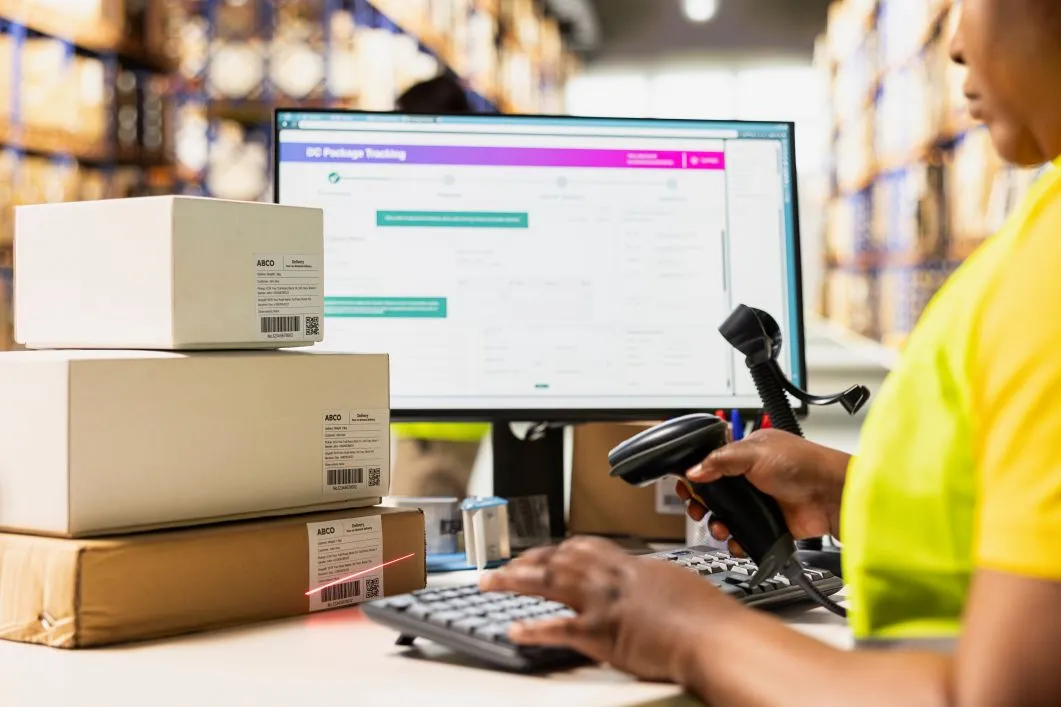
Modern tracking platforms allow businesses and customers to monitor deliveries in real time, improving transparency and communication.
According to insights on supply chain visibility and logistics optimization, companies leveraging visibility technologies significantly improve operational efficiency and customer satisfaction.
AI-Driven Route Optimization
Artificial intelligence helps logistics providers optimize delivery routes based on traffic conditions, weather, and delivery density.
Automated Fulfillment Systems
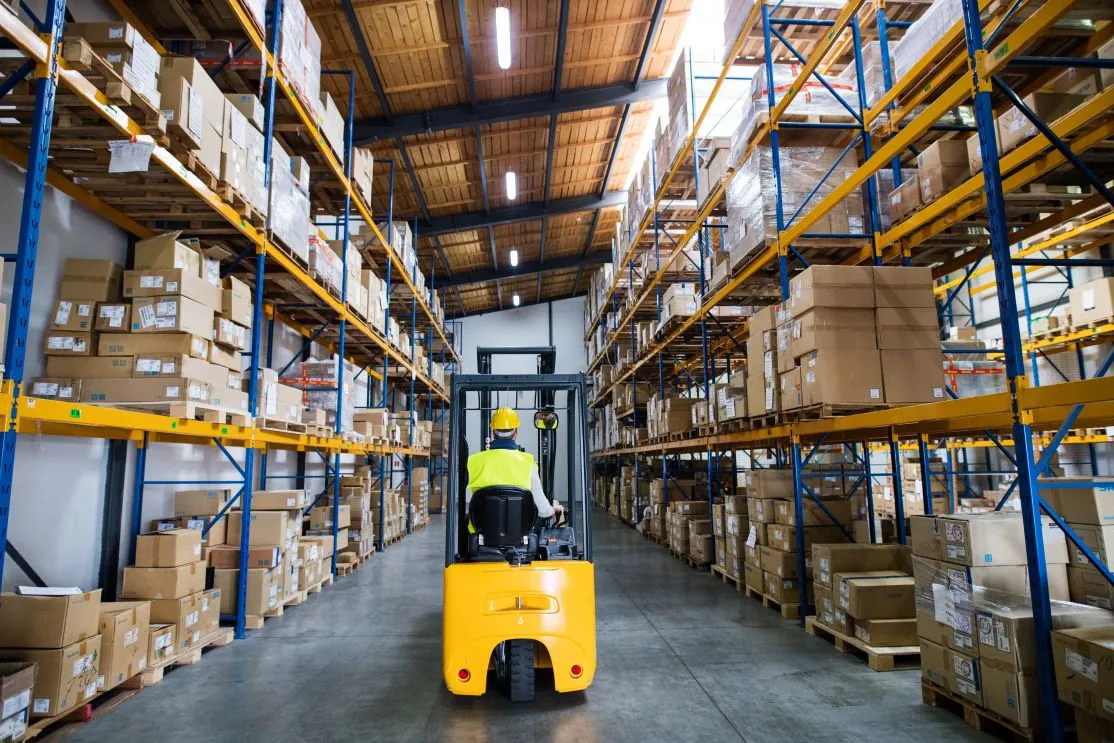
Automation in warehouses and distribution centers accelerates order processing and improves delivery coordination.
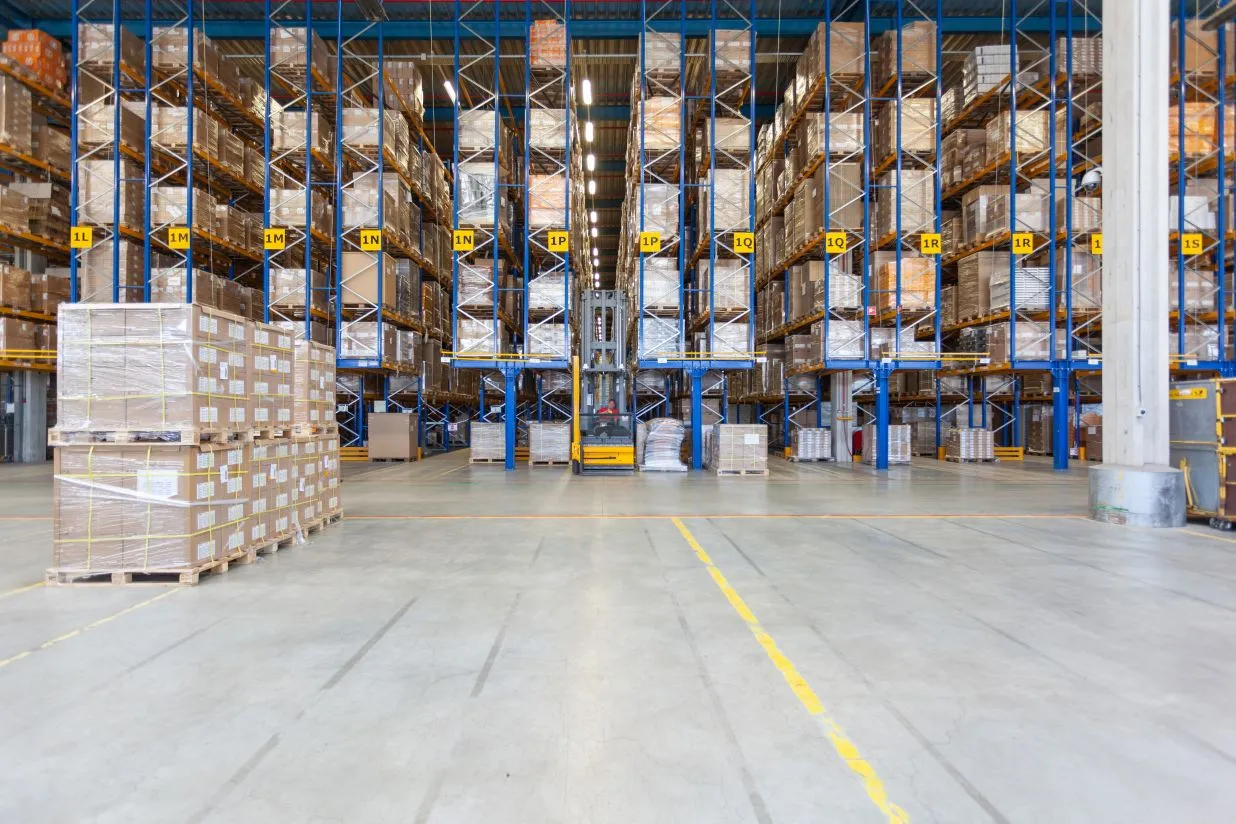
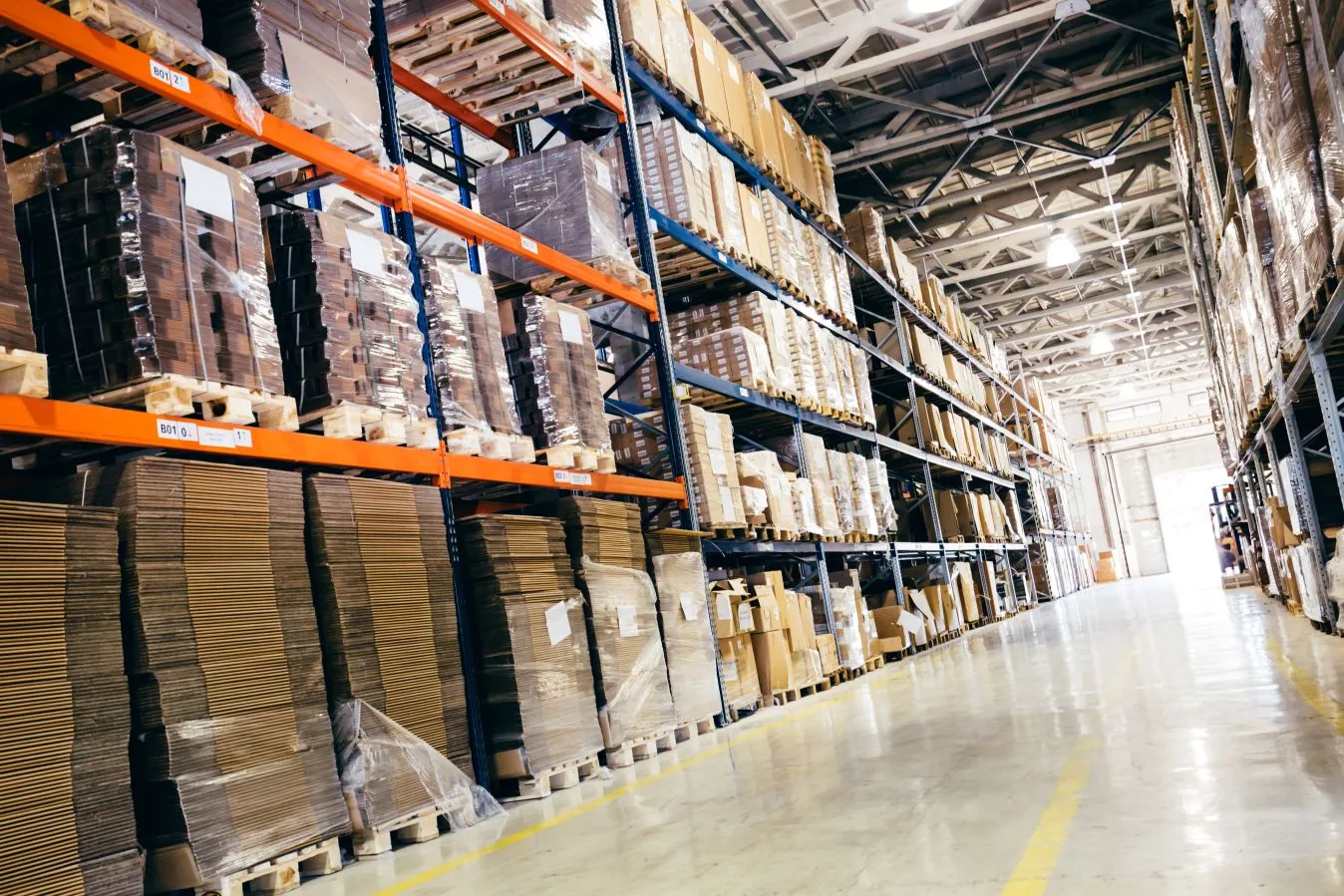
As discussed in warehouse optimization ecommerce, efficient fulfillment infrastructure plays a critical role in supporting faster final-mile delivery.
Predictive Analytics
Predictive tools help companies anticipate delivery disruptions and improve resource allocation across logistics networks.
The Role of Freight Forwarders in Ecommerce Connectivity
Freight forwarders play an essential role in connecting global freight movement with regional distribution and final delivery operations. Through integrated logistics planning, freight forwarders help businesses maintain continuity across supply chains.
This includes coordinating:
- International transportation
- Customs clearance
- Regional warehousing
- Distribution planning
As explored in digital freight forwarding, automation and real-time visibility are helping freight forwarders improve operational efficiency across global ecommerce logistics networks.
Why Integrated Logistics Networks Matter
Modern ecommerce requires supply chains that operate as unified systems rather than isolated functions. Integrating freight forwarding, warehousing, inventory management, and final mile delivery improves overall supply chain performance.
Benefits include:
- Faster delivery times
- Better inventory allocation
- Improved operational visibility
- Reduced transportation costs
Businesses that adopt integrated logistics strategies are better positioned to scale ecommerce operations globally.
How LCX Freight Supports Ecommerce Supply Chains
LCX Freight helps businesses bridge the gap between global freight operations and final-mile delivery through integrated logistics solutions designed for ecommerce growth.
By combining freight forwarding expertise with scalable logistics infrastructure, LCX Freight supports efficient final mile delivery operations while maintaining visibility across global supply chains.
Key capabilities include:
- Multimodal freight coordination
- Cross-border logistics expertise
- Real-time shipment visibility
- Scalable ecommerce logistics support
These services help businesses create more resilient, efficient, and customer-focused supply chains.
The Future of Final Mile Delivery
The future of final mile delivery will continue to evolve as ecommerce growth accelerates and customer expectations increase. Emerging trends include:
- AI-powered delivery optimization
- Electric delivery vehicles
- Smart fulfillment centers
- Autonomous delivery technologies
According to research on global supply chain digital transformation trends, digital innovation will continue reshaping logistics operations worldwide.
Companies that invest in advanced final mile delivery capabilities today will gain a competitive advantage in speed, flexibility, and customer experience.
Conclusion
As ecommerce continues to reshape global trade, the connection between international freight movement and local delivery execution has become more important than ever. Final mile delivery now plays a central role in determining customer satisfaction, operational efficiency, and overall supply chain performance.
Businesses that successfully bridge the gap between global freight and final-mile delivery can improve speed, reduce costs, and create more scalable logistics networks capable of supporting long-term ecommerce growth.
Companies that prioritize integrated logistics strategies today will be better prepared to compete in the increasingly connected future of global ecommerce supply chains.