


The ecommerce landscape is evolving rapidly, and customers are no longer limited to a single purchasing channel. Today’s consumers expect a seamless experience across online stores, marketplaces, and physical retail locations. This shift has made omnichannel fulfillment logistics a critical component of modern supply chains.
Omnichannel strategies require companies to integrate inventory, fulfillment, and delivery processes across multiple sales channels. Unlike traditional ecommerce models, which operate in isolation, fulfillment logistics connects all distribution channels into a unified system.
For businesses looking to scale, this approach provides greater flexibility, improved customer experience, and more efficient logistics operations.
The Rise of Omnichannel Commerce
Consumers today interact with brands through multiple touchpoints.
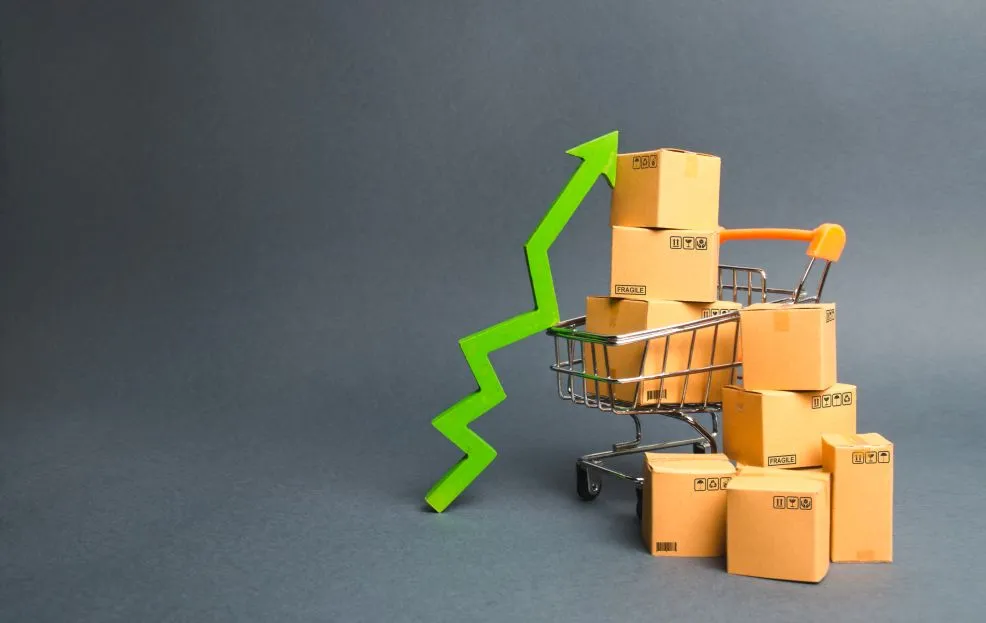
According to Deloitte, companies that adopt omnichannel strategies achieve higher customer retention and revenue growth.
https://www2.deloitte.com/us/en/pages/operations/articles/omnichannel-retail.html
As a result, businesses must adapt their logistics systems to support omnichannel fulfillment logistics.
Key Components of Omnichannel Fulfillment
Unified Inventory Management
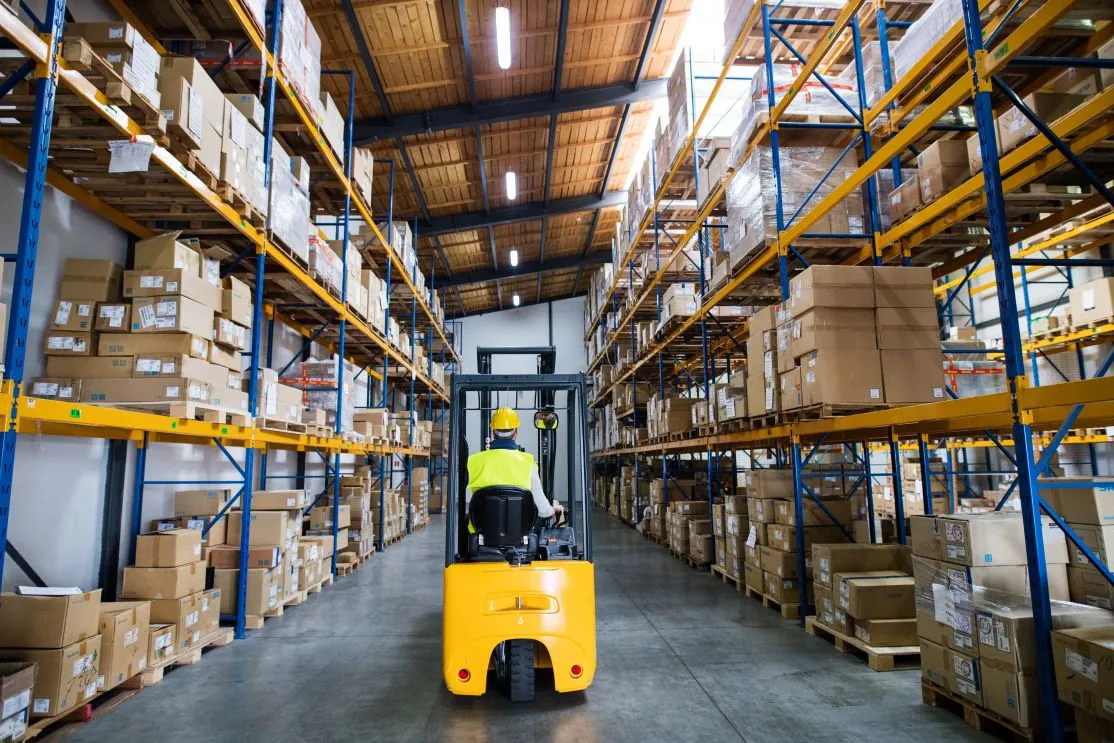
Centralized inventory systems allow companies to track stock across all channels.
This improves accuracy and enables better omnichannel fulfillment logistics.
Flexible Fulfillment Options
Customers expect multiple delivery options, including:
- Home delivery
- Store pickup
- Same-day delivery
These options are enabled by efficient omnichannel logistics.
Integrated Technology Platforms
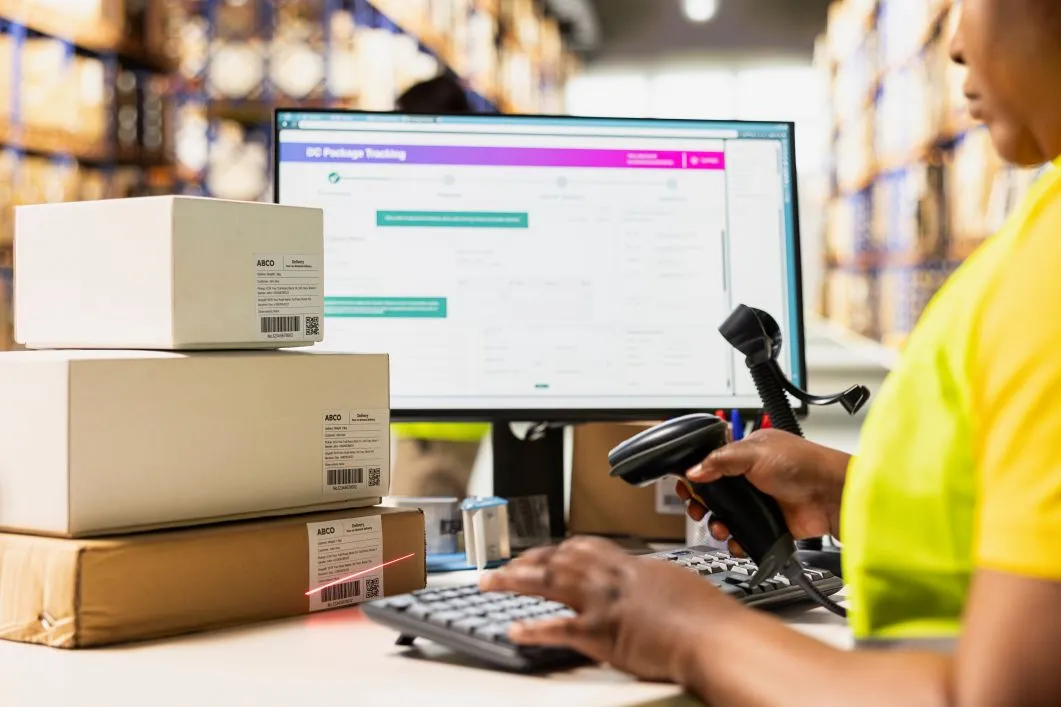
Technology plays a crucial role in connecting different sales channels.
Systems must integrate:
- Order management
- Inventory tracking
- Transportation planning
Benefits of Omnichannel Fulfillment Logistics
Companies implementing omnichannel fulfillment logistics gain several advantages.
Improved Customer Experience
Customers enjoy faster delivery and greater flexibility.
Increased Sales Opportunities
Multiple sales channels increase revenue potential.
Better Inventory Utilization
Inventory can be allocated dynamically based on demand.
Challenges in Omnichannel Logistics
Complexity in Operations
Managing multiple channels increases logistics complexity.
Inventory Synchronization
Keeping inventory updated across all channels can be challenging.
Cost Management
Balancing cost and speed requires careful planning.
Role of Freight Forwarders
Freight forwarders support omnichannel logistics by ensuring efficient movement of goods across global networks.
They help coordinate:
- Transportation
- Customs
- Distribution
Integration with Ecommerce Logistics Services
As discussed in our article, ecommerce logistics services are essential for managing complex supply chains.
Omnichannel fulfillment logistics builds on this foundation by connecting multiple distribution channels.
How LCX Freight Supports Omnichannel Fulfillment
LCX Freight enables businesses to implement efficient omnichannel fulfillment logistics strategies through:
- Global freight coordination
- Scalable logistics solutions
- Integrated supply chain management
The Future of Omnichannel Logistics
Emerging trends include:
- AI-driven inventory allocation
- Real-time order routing
- Automated fulfillment centers
These innovations will continue to enhance omnichannel fulfillment logistics.
Conclusion
As ecommerce evolves, businesses must adapt to changing consumer expectations.
Omnichannel fulfillment logistics provides the flexibility and efficiency needed to support modern retail strategies.
Companies that invest in integrated logistics systems will be better positioned to scale operations and deliver exceptional customer experiences.