


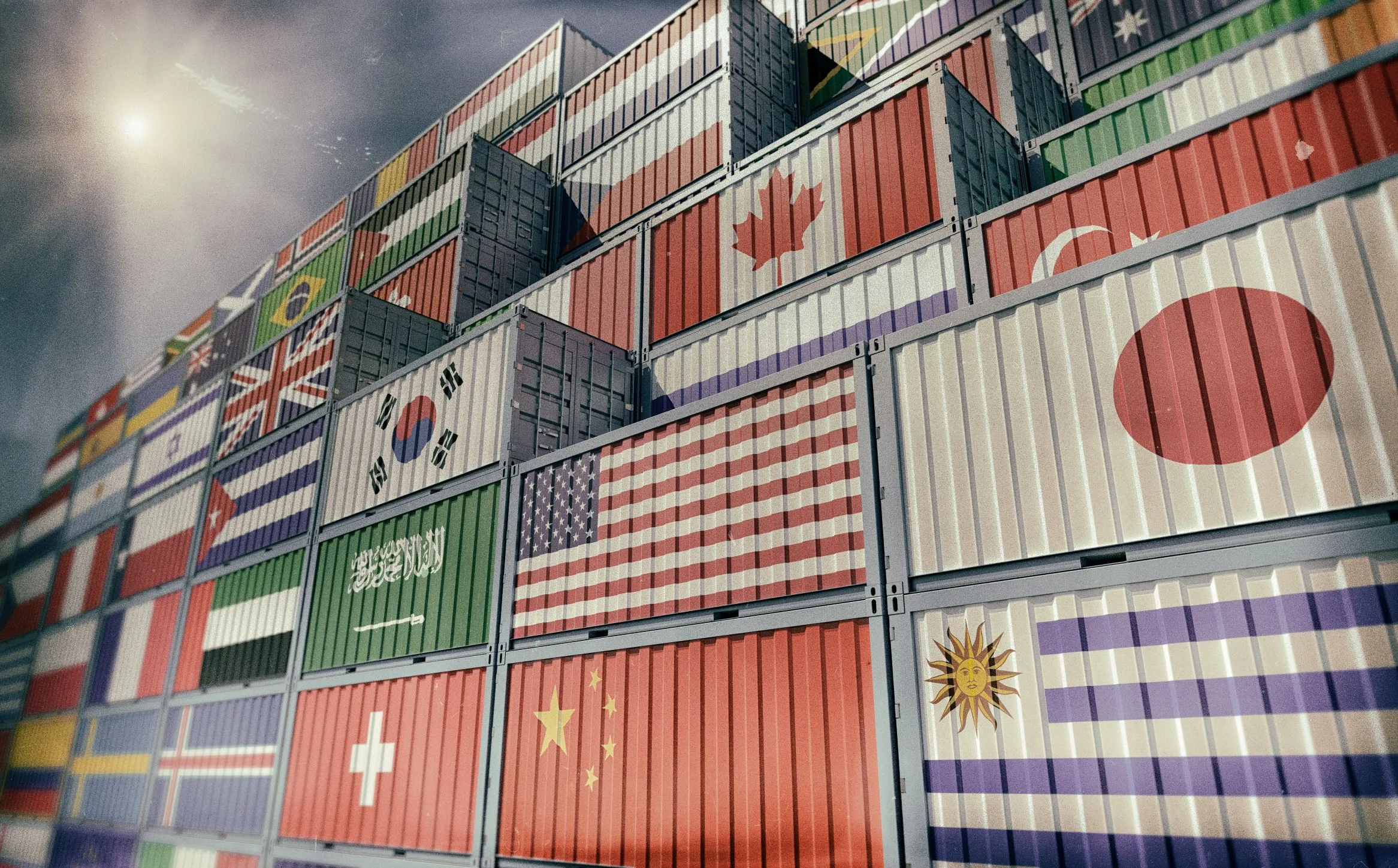
Global ecommerce is no longer a future trend—it is the present reality of retail. Consumers today expect to purchase products from anywhere in the world with the same ease and speed as local orders. This shift has placed unprecedented importance on cross border logistics, which has become the backbone of international ecommerce operations.
In 2026, the conversation is no longer about whether companies should expand globally—it is about how efficiently they can do it. Businesses that optimize cross border logistics are not only accessing new markets but also redefining customer expectations around speed, transparency, and reliability.
For companies building scalable operations, understanding how ecommerce logistics services connect global supply chains is essential for long-term growth.
Why Cross Border Logistics Is a Major Ecommerce Trend
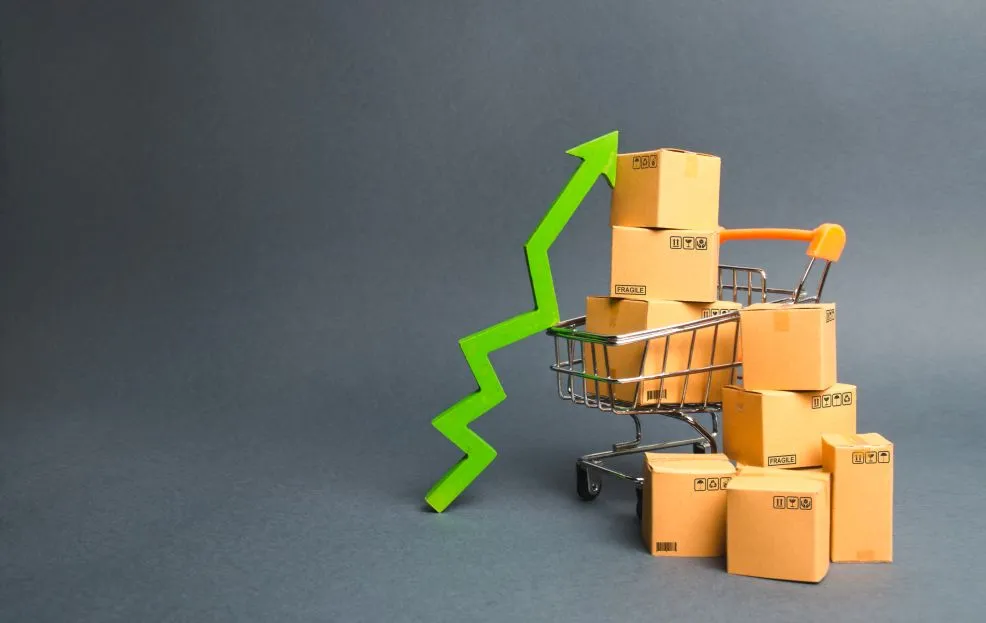
The rise of global ecommerce is driven by several structural shifts in consumer behavior and technology. According to recent data on global ecommerce sales growth trends, worldwide online retail is expected to exceed $7 trillion by 2026, with cross-border transactions representing a growing share of that volume.
At the same time, consumers are more comfortable buying internationally, marketplaces enable global reach, payment systems support multi-currency transactions, and logistics networks are becoming more interconnected. These factors are accelerating the need for efficient cross border logistics, making it a central pillar of ecommerce growth.
As explored in modern ecommerce supply chains, global fulfillment now depends on interconnected logistics systems that go far beyond traditional distribution models.
What Is Cross Border Logistics in Ecommerce
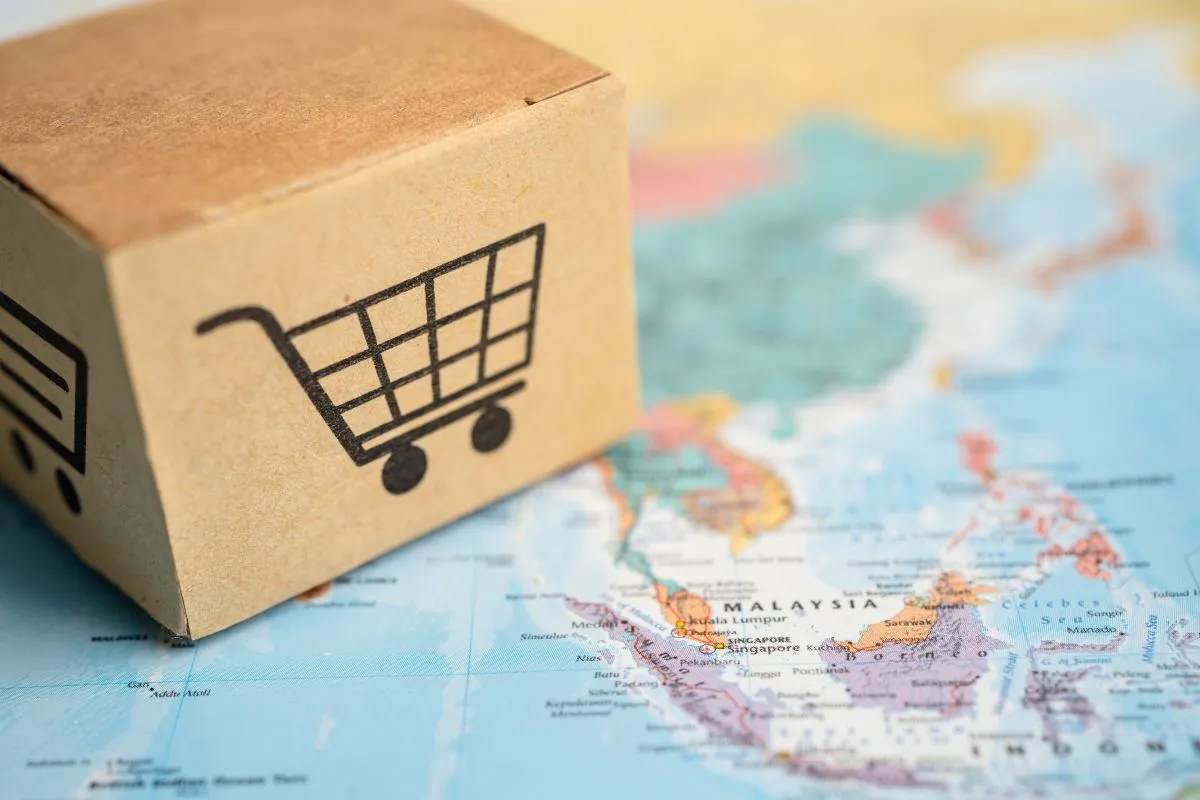
At its core, cross border logistics refers to the movement of goods across international boundaries, from origin warehouses to final customers in another country. In ecommerce, it goes beyond transportation and includes customs clearance, duties and tax management, international fulfillment coordination, and last-mile delivery in foreign markets.
Unlike domestic logistics, cross border logistics must operate within multiple regulatory frameworks while maintaining speed and efficiency. This complexity makes it one of the most important areas of focus for companies expanding into global markets.
Optimizing ecommerce transit times is also critical in this process, as delivery speed remains one of the main drivers of customer satisfaction in international shipping.
The Biggest Challenges in Cross Border Logistics
Customs Complexity
Each country has unique import regulations, documentation requirements, and tariff structures. The international customs standards and trade facilitation guidelines outlined by the World Customs Organization highlight the importance of standardized processes. Delays in customs processing can significantly impact delivery timelines and overall logistics performance.
Cost Transparency
Unexpected duties and taxes can negatively affect the customer experience. Companies must ensure clear pricing structures to avoid friction in international transactions.
Transit Time Variability
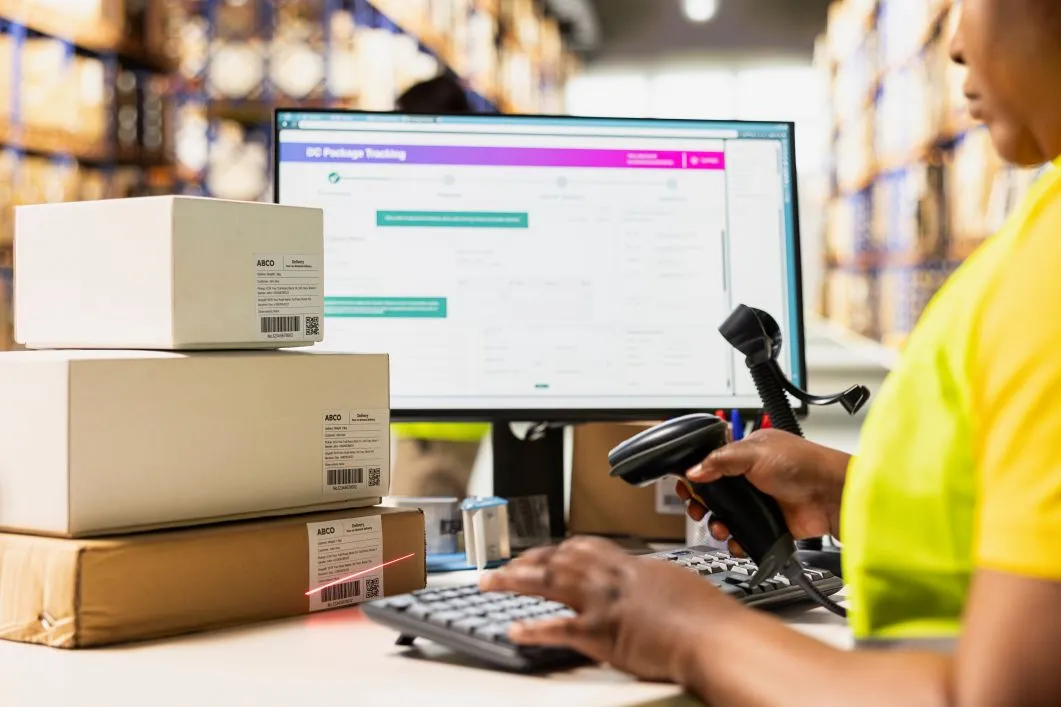
International shipments involve multiple touchpoints, which can lead to inconsistent delivery timelines if not properly managed. Improving transit visibility is key to optimizing cross border logistics performance.
Fragmented Logistics Networks
Without integration, logistics operations become inefficient. Companies struggle to coordinate transportation, warehousing, and distribution effectively across international markets.
This is where freight forwarders ecommerce solutions play a key role in connecting global transportation networks.
How Leading Companies Optimize Cross Border Logistics
Companies that succeed globally treat logistics as a strategic function rather than just an operational necessity. One of the most effective strategies is the use of multimodal transportation, combining air, ocean, and ground freight to balance cost and speed.
As explained in multimodal freight solutions, integrating multiple transportation modes improves flexibility and reduces supply chain risk.
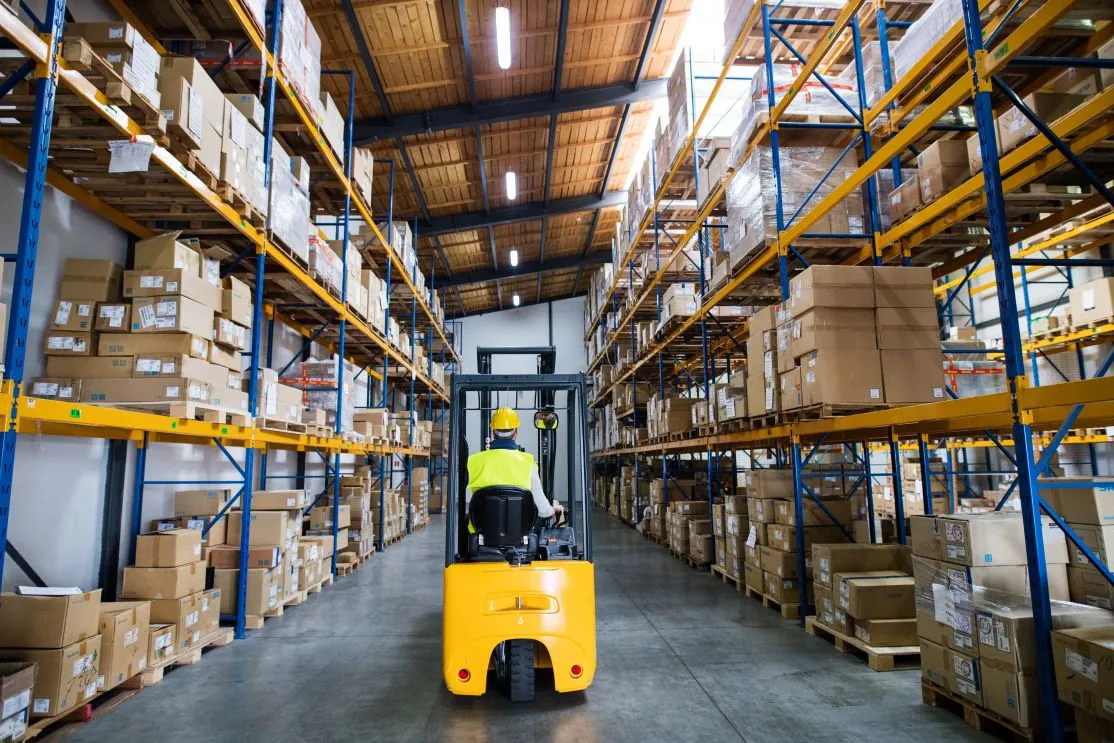
Regional fulfillment hubs also play a critical role. By placing inventory closer to key markets, businesses can reduce shipping distances and improve delivery times.
Data-driven decision making is another key factor. Modern logistics systems rely on analytics to predict demand, optimize routes, and improve operational efficiency. According to insights on supply chain visibility and performance optimization, companies leveraging these tools significantly improve logistics performance.
Strategic freight forwarding partnerships are essential. Freight forwarders provide global network access, customs expertise, and end-to-end visibility, enabling companies to manage complex cross border logistics operations more effectively.
Why Cross Border Logistics Is Critical for Scalability
Scalability is one of the most important factors in ecommerce success. Without efficient cross border logistics, companies cannot expand into new markets without increasing costs and operational complexity.
Efficient logistics enables faster market entry, improved delivery consistency, reduced risk, and better cost control. Businesses that invest in scalable logistics systems are able to grow without compromising performance.
Cross border logistics is therefore not just about moving goods internationally, but about building a foundation for long-term growth, especially when supported by ecommerce demand forecasting strategies that align supply with global demand patterns.
The Impact on Customer Experience
Cross border logistics has a direct impact on customer satisfaction. Consumers expect fast delivery, clear tracking, and predictable costs, regardless of where products are shipped from.
Efficient logistics operations ensure that customers receive their orders on time and without unexpected issues. This builds trust and encourages repeat purchases, which are essential for sustained ecommerce growth.
Companies that optimize last mile logistics in international markets further enhance the customer experience by ensuring reliable final delivery.
How LCX Freight Enables Global Ecommerce
LCX Freight supports modern ecommerce companies by providing integrated logistics solutions designed for international operations. Through its global network and expertise in freight forwarding, LCX Freight helps businesses optimize cross border logistics and scale efficiently.
Key capabilities include multimodal freight coordination, cross-border compliance management, scalable logistics infrastructure, and real-time shipment visibility. These services enable companies to expand into new markets while maintaining operational efficiency and reliability.
By aligning logistics execution with business strategy, LCX Freight allows companies to build stronger and more resilient global supply chains, including efficient ecommerce returns logistics processes that support reverse logistics at scale.
The Future of Cross Border Logistics
The future of cross border logistics will be shaped by technology, automation, and increased global connectivity. Emerging trends include AI-driven logistics optimization, automated customs processes, and the expansion of global fulfillment networks.
According to research on global supply chain digital transformation trends, technology will continue to drive logistics innovation. Sustainability is also becoming a key focus, as companies seek to reduce emissions and improve efficiency across supply chains.
Businesses that embrace these innovations will be better positioned to compete in the evolving global ecommerce landscape.
Conclusion
Global ecommerce growth is redefining how goods move across borders. As companies expand into international markets, cross border logistics has become a critical factor in determining success.
By addressing challenges such as customs compliance, transportation coordination, and delivery performance, businesses can build efficient logistics systems that support global expansion.
Companies that invest in cross border logistics today will be better prepared to meet customer expectations, reduce operational complexity, and achieve long-term growth in an increasingly connected world.