


The rapid expansion of global online retail has fundamentally reshaped the logistics industry. What was once a straightforward process of moving goods from point A to point B has evolved into a highly complex ecosystem requiring precision, speed, and scalability. At the center of this transformation are ecommerce logistics services, which have become a critical driver of success for modern businesses operating in competitive global markets.
As ecommerce continues to grow, companies must deliver products faster, more efficiently, and across increasingly complex international networks. Customers expect seamless experiences—from checkout to delivery—while businesses must balance cost, performance, and operational resilience.
To meet these demands, organizations are turning to integrated ecommerce logistics services that combine freight forwarding, warehousing, transportation, and distribution into a unified strategy.
Companies that invest in advanced logistics capabilities are not only improving delivery performance but also unlocking new growth opportunities across global markets.
The Evolution of Ecommerce Logistics
Over the past decade, ecommerce logistics has evolved from a support function into a strategic pillar of business success.
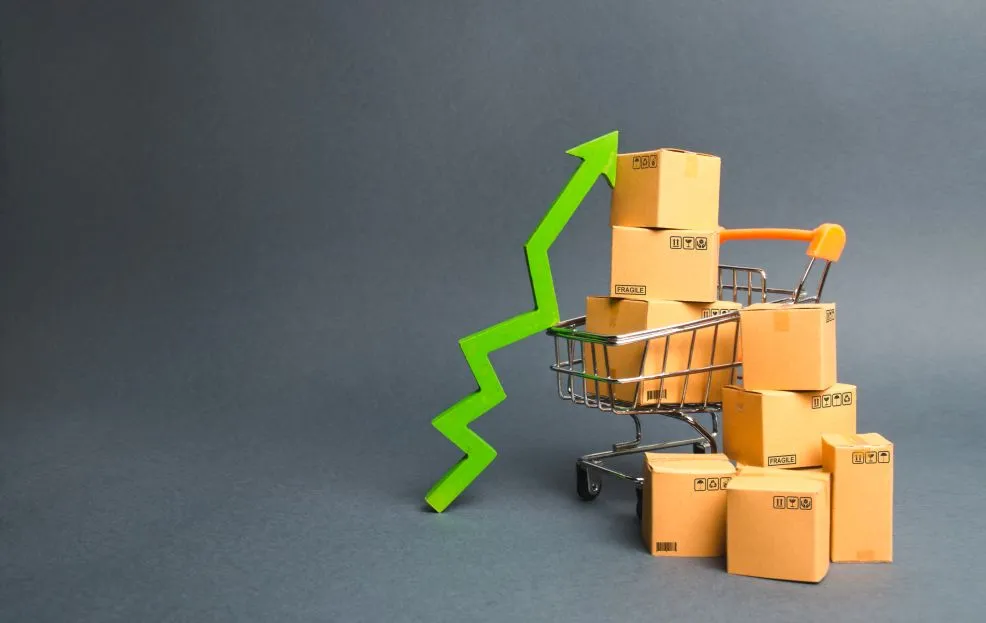
According to Statista, global ecommerce sales are projected to exceed $7 trillion by 2026, reflecting sustained growth across international markets.
https://www.statista.com/topics/871/online-shopping/
This growth has significantly increased the complexity of logistics operations. Businesses must now manage:
- Cross-border shipping requirements
- Multiple fulfillment locations
- Diverse transportation networks
- Real-time delivery expectations
As a result, ecommerce logistics services have become more sophisticated, integrating multiple supply chain components into a single operational framework.
What Are Ecommerce Logistics Services?
At a fundamental level, ecommerce logistics services refer to the systems and processes used to manage the movement of goods from suppliers to end customers in an online retail environment.
These services typically include:
- Freight forwarding and transportation management
- Warehousing and inventory storage
- Order fulfillment and distribution
- Last-mile delivery coordination
- Customs clearance and compliance
Unlike traditional logistics, modern ecommerce logistics services must operate at high speed and scale, handling thousands—or even millions—of orders across global markets.
Why Ecommerce Logistics Services Are Critical for Growth
As ecommerce businesses scale, logistics complexity increases. Without a robust logistics strategy, companies risk delays, rising costs, and operational inefficiencies.
Ecommerce logistics services play a critical role in enabling growth by:
- Improving delivery speed
- Reducing operational costs
- Enhancing supply chain visibility
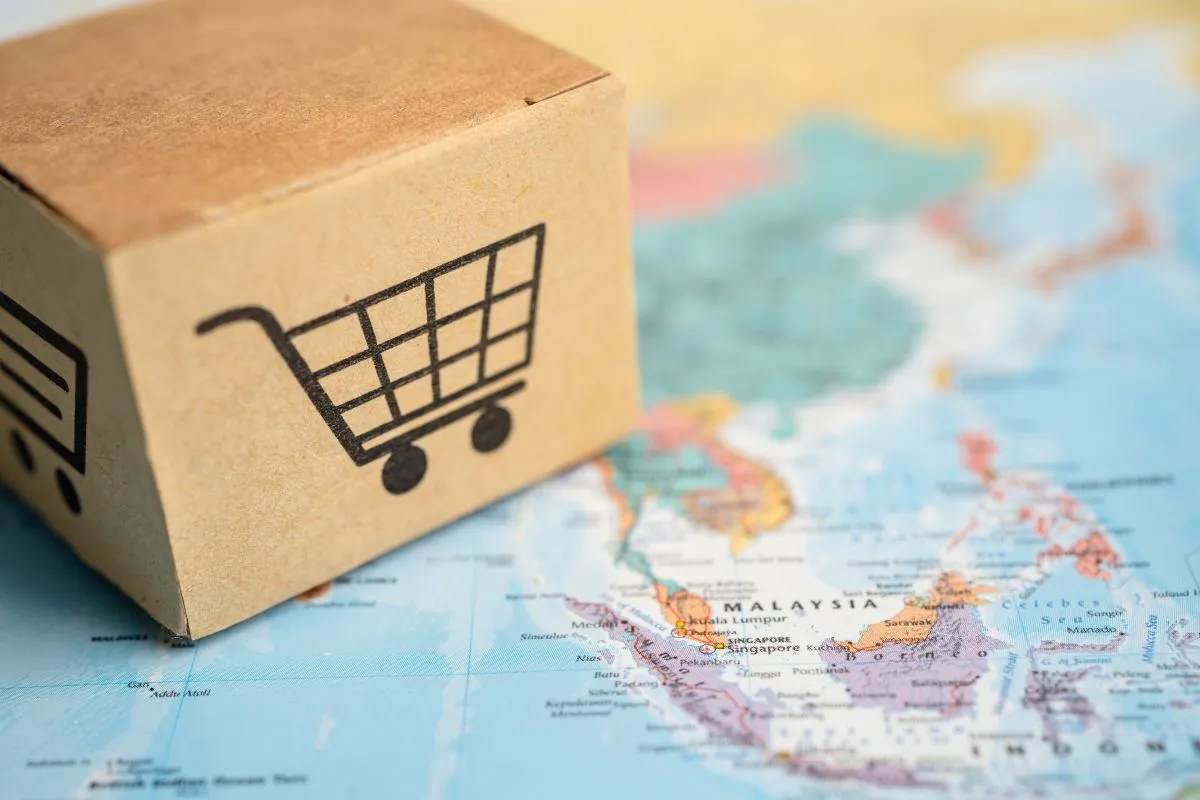
- Supporting global expansion
Companies that prioritize logistics performance gain a competitive advantage in an increasingly crowded ecommerce marketplace.
Key Components of Modern Ecommerce Logistics Services
To build scalable supply chains, companies must integrate multiple logistics functions into a cohesive system.
Freight Forwarding and Transportation
Freight forwarding is the backbone of global ecommerce logistics. It involves coordinating the movement of goods across international transportation networks.
As explored in your previous article on freight forwarders ecommerce, these services are essential for managing cross-border shipments and optimizing transit performance.
Freight forwarders coordinate:
- Air freight for speed
- Ocean freight for cost efficiency
- Ground transport for regional distribution
The World Trade Organization highlights efficient transportation networks as a key driver of global trade growth.
https://www.wto.org/
Through integrated transportation strategies, ecommerce logistics services enable companies to move goods efficiently across global markets.
Warehousing and Fulfillment
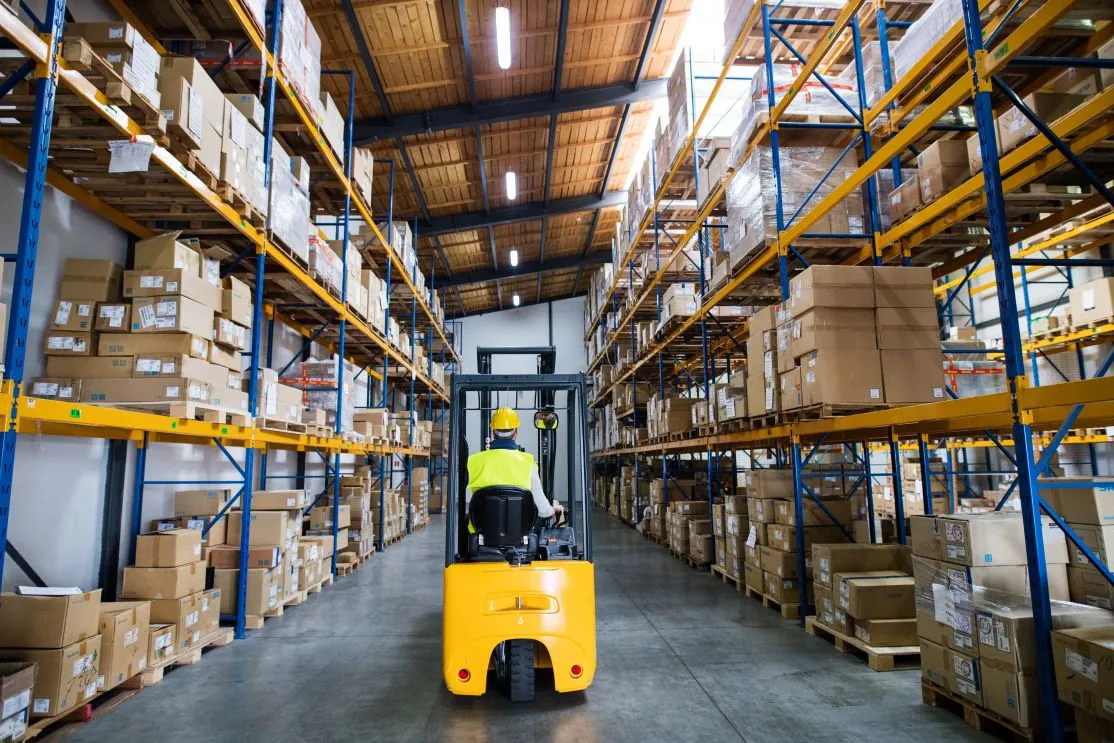
Warehousing plays a central role in modern ecommerce logistics. Instead of relying on a single distribution center, companies now use distributed fulfillment networks.
This approach improves delivery speed and reduces shipping costs by placing inventory closer to customers.
As discussed in your blog on ecommerce supply chains, distributed fulfillment is one of the most effective ways to improve logistics performance.
Modern ecommerce logistics services include:
- Inventory management systems
- Automated fulfillment processes
- Real-time stock visibility
These capabilities allow businesses to respond quickly to changing demand patterns.
Cross-Border Logistics and Customs
International ecommerce introduces additional complexity through customs regulations, duties, and taxes.
Efficient ecommerce logistics services include expertise in:
- Customs documentation
- Regulatory compliance
- Duty and tax management
The World Customs Organization emphasizes digital customs processes as a key factor in improving cross-border trade efficiency.
https://www.wcoomd.org/en/topics/facilitation/instrument-and-tools/tools/e-commerce.aspx
By streamlining customs processes, companies can reduce delays and improve delivery reliability.
Last-Mile Delivery
The final stage of delivery is often the most complex and expensive component of ecommerce logistics.
As explored in your last mile logistics blog, this phase requires careful planning to balance cost and speed.
Modern ecommerce logistics services integrate last-mile delivery with upstream logistics operations to ensure smooth execution across the entire supply chain.
The Role of Technology in Ecommerce Logistics Services
Technology is transforming how ecommerce logistics services are managed and optimized.
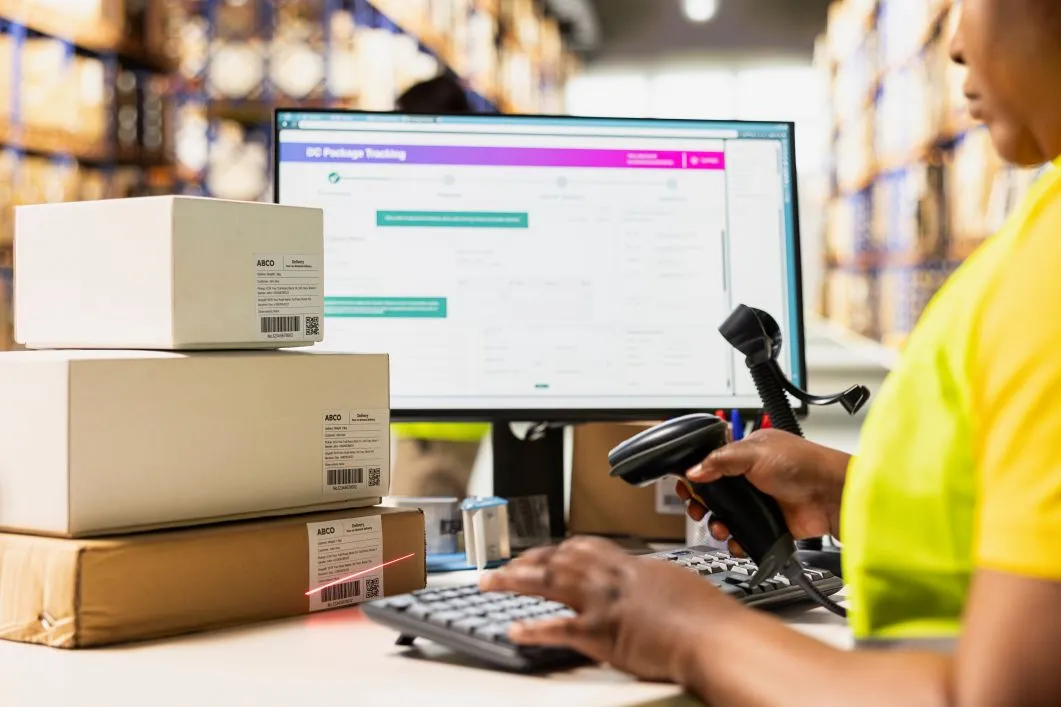
Advanced digital platforms provide real-time visibility into supply chain operations, allowing companies to track shipments, monitor performance, and respond quickly to disruptions.
Key technologies include:
- Transportation management systems (TMS)
- Warehouse management systems (WMS)
- Real-time tracking platforms
- Predictive analytics tools
According to Gartner, companies that invest in supply chain visibility technologies can reduce disruption response times by up to 50 percent.
https://www.gartner.com/en/supply-chain
These technologies enable more efficient and reliable ecommerce logistics services.
Building Scalable Ecommerce Logistics Networks
Scalability is one of the most important considerations in ecommerce logistics. As order volumes grow, logistics systems must be able to handle increased demand without compromising performance.
Effective ecommerce logistics services support scalability through:
- Flexible transportation capacity
- Distributed fulfillment networks
- Integrated logistics platforms
- Strategic partnerships
Companies that build scalable logistics networks are better positioned to expand into new markets and respond to changing customer demands.
The Importance of Multimodal Logistics
As highlighted in your multimodal freight solutions blog, combining multiple transportation modes is essential for optimizing logistics performance.
Multimodal strategies allow companies to:
- Balance cost and speed
- Reduce supply chain risk
- Improve delivery reliability
By integrating these strategies into ecommerce logistics services, businesses can create more resilient and efficient supply chains.
How LCX Freight Delivers Ecommerce Logistics Services
LCX Freight provides integrated logistics solutions designed to support modern ecommerce operations.
Through its global network and operational expertise, LCX Freight delivers comprehensive ecommerce logistics services that enable businesses to scale efficiently.
Key capabilities include:
- Multimodal freight forwarding
- Cross-border logistics management
- Customs compliance expertise
- End-to-end supply chain visibility
By aligning logistics execution with business strategy, LCX Freight helps companies optimize performance and support long-term growth.
The Future of Ecommerce Logistics Services
The future of ecommerce logistics will be shaped by innovation, automation, and increasing global connectivity.
Emerging trends include:
- AI-driven logistics optimization
- Automated fulfillment centers
- Real-time supply chain analytics
- Sustainable transportation solutions
The World Economic Forum highlights digital transformation as a key driver of supply chain efficiency.
https://www.weforum.org/
Companies that embrace these trends will be better positioned to deliver efficient and scalable ecommerce logistics services.
Conclusion
In today’s global ecommerce landscape, logistics is no longer a support function—it is a strategic driver of growth.
Ecommerce logistics services provide the infrastructure and expertise needed to manage complex supply chains, optimize delivery performance, and support international expansion.
From freight forwarding and warehousing to last-mile delivery and technology integration, these services enable businesses to build scalable logistics networks capable of meeting modern consumer expectations.
As ecommerce continues to evolve, companies that invest in advanced ecommerce logistics services will be best positioned to compete in global markets and achieve long-term success.