
In the modern ecommerce ecosystem, the final step of delivery has become one of the most critical—and complex—segments of the supply chain. Known as last mile logistics, this phase refers to the movement of goods from distribution centers to the end customer.
Despite covering the shortest physical distance in the supply chain, last mile represents one of the most expensive and operationally demanding components of ecommerce fulfillment. As consumer expectations continue to rise, businesses must deliver faster, more reliably, and at lower cost—all while managing growing order volumes.
For companies operating in global ecommerce, optimizing logistics is no longer optional. It is a fundamental requirement for maintaining competitiveness, improving customer satisfaction, and protecting profit margins.
Why Last Mile Logistics Matters More Than Ever
Ecommerce growth has dramatically increased the pressure on delivery networks. According to Statista, global ecommerce sales are projected to exceed $7 trillion by 2026, driving unprecedented demand for fast and efficient delivery services.
https://www.statista.com/topics/871/online-shopping/
As order volumes increase, so does the importance of efficient last mile logistics operations. Customers now expect:
- Same-day or next-day delivery
- Real-time tracking and updates
- Flexible delivery options
- Minimal shipping costs
These expectations have transformed last mile logistics into a key differentiator in the ecommerce experience.
Companies that successfully optimize logistics benefit from higher customer retention, improved delivery performance, and stronger brand loyalty.
The Cost Structure of Last Mile Logistics
One of the most significant challenges in ecommerce fulfillment is the high cost associated with last mile logistics.
According to McKinsey & Company, last-mile delivery can account for up to 50% of total logistics costs.
https://www.mckinsey.com/industries/travel-logistics-and-infrastructure
Several factors contribute to these high costs:
- Labor-intensive delivery operations
- Fuel and transportation expenses
- Inefficient routing in urban areas
- Failed delivery attempts
Because of these cost pressures, companies must find ways to optimize logistics without compromising delivery speed or customer experience.
Key Challenges in Last Mile Logistics
Despite advancements in technology and infrastructure, many companies continue to face significant operational challenges in last mile deliveries.
Urban Congestion and Infrastructure Limitations
One of the most persistent challenges affecting last mile logistics is urban congestion. As ecommerce volumes increase, delivery vehicles must navigate crowded city environments with limited parking and restricted delivery zones.
Traffic delays not only increase delivery times but also raise transportation costs, making it more difficult to maintain efficient logistics operations.
Failed Deliveries and Customer Availability
Failed delivery attempts are another major issue in last mile deliveries. When customers are not available to receive their packages, companies must reschedule deliveries, increasing operational costs and reducing efficiency.
This challenge is particularly common in residential delivery environments, where customer availability is unpredictable.
Low Delivery Density
In some regions, especially suburban and rural areas, low delivery density increases the cost per delivery. Vehicles must travel longer distances between stops, making last mile logistics less efficient.
Companies must balance delivery speed with route optimization to maintain cost-effective operations.
Fragmented Delivery Networks
Many ecommerce companies rely on multiple delivery providers, creating fragmented logistics networks that lack coordination and visibility.
This fragmentation makes it more difficult to optimize logistics, leading to inefficiencies and inconsistent delivery performance.
Strategies to Optimize Last Mile Logistics
To overcome these challenges, companies are adopting new strategies and technologies designed to improve last mile service performance.
Route Optimization Technology
Advanced route optimization systems use artificial intelligence to calculate the most efficient delivery routes in real time.
These systems consider:
- Traffic conditions
- Delivery time windows
- Vehicle capacity
- Geographic constraints
According to Gartner, companies implementing route optimization technology can reduce delivery costs by up to 20%.
https://www.gartner.com/en/supply-chain
By improving routing efficiency, businesses can significantly enhance last mile logistics performance.
Micro-Fulfillment Centers
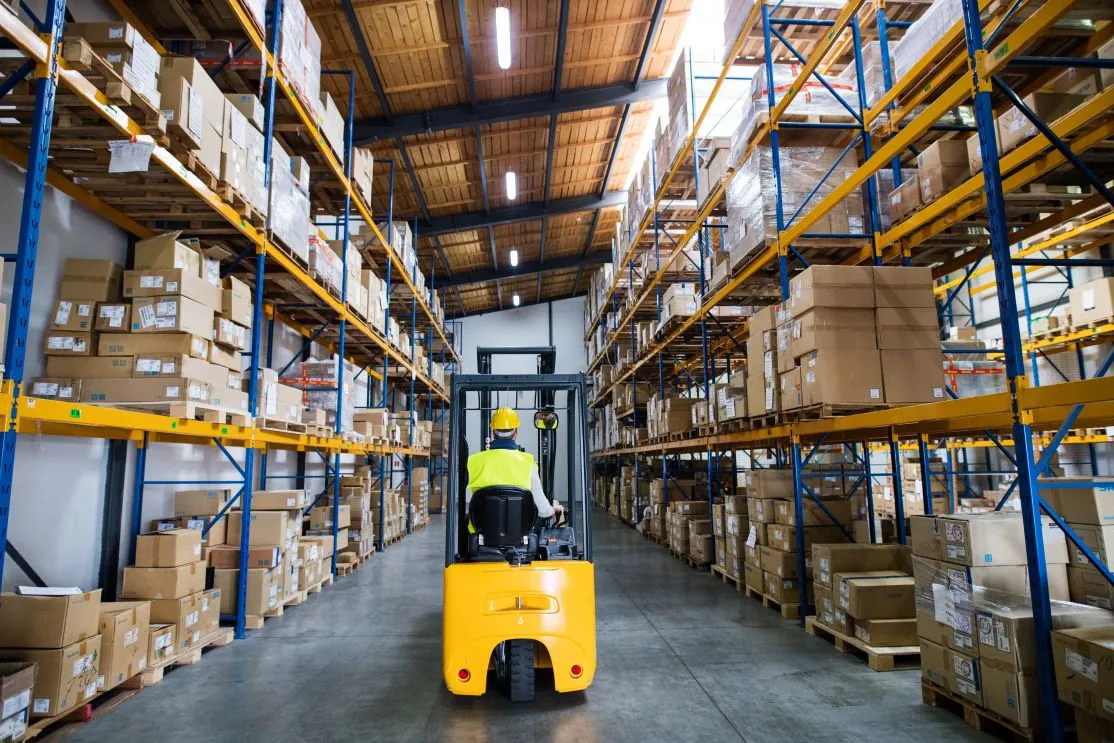
One of the most effective innovations in last mile logistics is the development of micro-fulfillment centers.
These smaller distribution hubs are located closer to urban demand centers, allowing companies to:
- Reduce delivery distances
- Improve delivery speed
- Lower transportation costs
Micro-fulfillment centers are becoming a key component of modern last mile logistics strategies.
Delivery Consolidation
Consolidating deliveries into fewer routes improves efficiency and reduces operational costs.
By increasing delivery density, companies can optimize logistics and reduce the number of vehicles required for distribution.
This approach is particularly effective in high-demand urban areas.
Alternative Delivery Methods
Innovations in delivery methods are also helping improve last mile logistics performance.
Examples include:
- Smart lockers and pickup points
- Scheduled delivery windows
- Contactless delivery options
These solutions reduce failed deliveries and improve customer convenience.
The World Economic Forum highlights alternative delivery models as a key factor in improving urban logistics efficiency.
https://www.weforum.org/
The Role of Technology in Last Mile Logistics
Technology continues to play a central role in transforming last mile logistics operations.
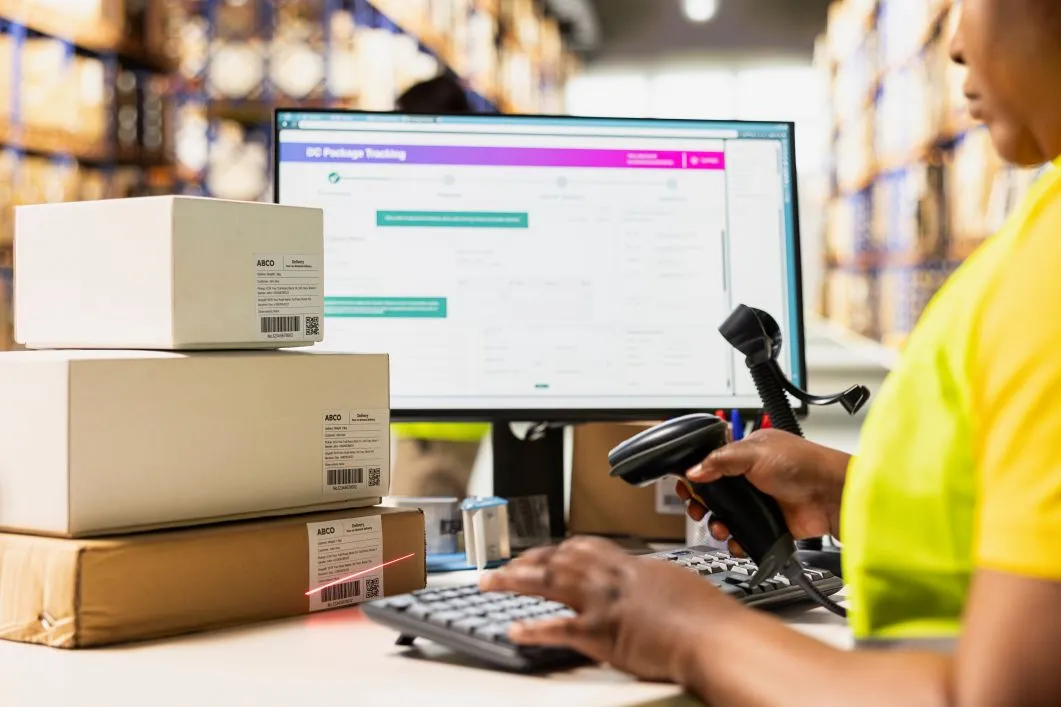
Modern logistics platforms provide real-time visibility into delivery operations, allowing companies to monitor performance and respond quickly to disruptions.
Key technologies include:
- Real-time tracking systems
- Delivery management software
- Predictive analytics tools
- Mobile applications for drivers
These technologies enable companies to optimize last mile logistics while maintaining high service levels.
Sustainability in Last Mile Logistics
As environmental concerns grow, companies are also focusing on making last mile logistics more sustainable.
Strategies include:
- Electric delivery vehicles
- Route optimization to reduce fuel consumption
- Consolidated deliveries to lower emissions
Sustainable logistics practices not only reduce environmental impact but also improve operational efficiency.
The Role of Freight Forwarders in Last Mile Integration
While freight forwarders are traditionally associated with international shipping, they also play an important role in supporting last mile logistics integration.
By coordinating upstream transportation and ensuring efficient handoffs to local delivery networks, freight forwarders help maintain consistent delivery performance across the entire supply chain.
This integration is essential for optimizing last mile logistics in global ecommerce operations.
How LCX Freight Supports Last Mile Logistics
LCX Freight supports modern ecommerce logistics by providing integrated freight forwarding solutions that connect global transportation networks with local delivery systems.
Through its expertise in global logistics coordination, LCX Freight helps companies improve logistics services by ensuring smooth transitions between international shipping and final delivery.
Key capabilities include:
- Multimodal freight coordination
- Cross-border logistics expertise
- Integrated supply chain solutions
- End-to-end shipment visibility
By aligning upstream logistics with final delivery operations, LCX Freight enables companies to build more efficient and reliable last mile logistics networks.
The Future of Last Mile Logistics
The future of ecommerce will continue to place increasing pressure on delivery networks. As consumer expectations evolve, companies must continuously innovate to improve last mile logistics performance.
Emerging trends include:
- Autonomous delivery vehicles
- Drone-based delivery systems
- AI-powered logistics optimization
- Increased use of urban fulfillment hubs
These innovations will reshape the way goods are delivered, creating faster, more efficient last mile logistics systems.
Conclusion
In today’s ecommerce landscape, last mile logistics has become one of the most critical components of the supply chain.
Despite representing the final stage of delivery, it carries significant operational complexity and cost. Companies that fail to optimize last mile logistics risk falling behind competitors that can deliver faster, more efficiently, and at lower cost.
Through the use of advanced technology, strategic infrastructure investments, and integrated logistics partnerships, businesses can improve delivery performance and build more resilient supply chains.
As ecommerce continues to evolve, optimizing last mile logistics will remain a key priority for companies seeking to compete in global markets and meet the ever-growing expectations of modern consumers.