



Shipping goods across the globe rarely involves a single straight line. A product might start its journey on a truck, cross an ocean on a massive vessel, hop onto a rail car, and finally arrive at a warehouse via another truck. This complex dance of transportation methods is the backbone of modern logistics. When these different modes are combined under a single contract or unified strategy, it is known as multimodal freight.
For businesses looking to optimize their supply chain, understanding the nuances of multimodal freight is no longer optional—it is essential. By leveraging the strengths of air, sea, and land transport, companies can achieve a balance of speed and cost that single-mode transport simply cannot match. At LCX Freight, we specialize in orchestrating these complex movements to ensure your cargo arrives on time and within budget.
What is Multimodal Freight?
The concept of multimodal freight is straightforward, even if the execution is complex. It involves moving cargo from its origin to its destination using at least two different modes of transport. However, the defining characteristic is that the entire journey is typically managed under a single contract or a unified bill of lading. This means the shipper deals with one logistics provider—like LCX Freight—rather than coordinating with a trucker, a shipping line, and an airline separately.
This differs from intermodal freight, where each leg of the journey is often contracted separately. With a multimodal approach, the logistics provider assumes responsibility for the entire shipment. This centralized accountability streamlines communication and reduces the administrative burden on the shipper.
The Modes Involved
The most common combinations involve:
- – Road and Rail: Often used for domestic or continental shipping, combining the flexibility of trucks with the long-haul efficiency of trains.
- – Sea and Air: A popular hybrid for international shipping. Goods might travel by sea to a major hub (like Dubai or Singapore) and then fly to their final destination. This is faster than sea alone but cheaper than air alone.
- – Sea and Road: The standard for most imports, where goods arrive at a port and are trucked to distribution centers.
Understanding how these modes interact allows logistics planners to create multimodal freight routes that are greater than the sum of their parts.
The Core Benefit: Cost Efficiency Without Sacrificing Quality
One of the primary drivers for adopting multimodal freight strategies is cost reduction. Relying solely on air freight is incredibly fast but prohibitively expensive for heavy or bulky goods. Conversely, ocean freight is cost-effective but slow. By combining the two, businesses can find a “middle ground” that saves money without incurring the weeks-long delays associated with pure ocean transport.
For example, a shipment from East Asia to Europe might take 30-40 days by sea and cost relatively little. By air, it might take 3-5 days but cost ten times as much. A multimodal “Sea-Air” solution might take 12-15 days and cost roughly half of the air freight rate. This flexibility allows businesses to manage inventory more effectively, reducing the need for expensive safety stock while keeping transportation costs in check.
According to the Council of Supply Chain Management Professionals (CSCMP), optimizing transport modes is a leading factor in reducing overall logistics spend. When you utilize multimodal freight, you aren’t just paying for transport; you are paying for a smarter allocation of your resources.
Speed and Reliability in a Volatile Market
While cost is king, speed is queen. In the world of e-commerce and just-in-time manufacturing, delays can be disastrous. Multimodal freight offers a unique advantage in terms of reliability. Because logistics providers have multiple options at their disposal, they can reroute cargo more easily if disruptions occur.
If a major port is congested—a frequent occurrence in recent years—a multimodal strategy allows for flexibility. Cargo might be diverted to a different port and then moved by rail, or switched to air freight for the final urgent leg of the journey. This adaptability builds resilience into the supply chain.
Furthermore, integrating rail into the mix can significantly improve reliability. Trains are less susceptible to weather delays and traffic congestion than trucks. By using rail for the long-haul portion of a domestic move and trucks for the “last mile,” shippers can often achieve more consistent transit times.
Sustainability: Reducing the Carbon Footprint
Sustainability is increasingly becoming a decisive factor for businesses and consumers alike. The transportation sector is a major contributor to global greenhouse gas emissions. Fortunately, multimodal freight is inherently more eco-friendly than relying on high-emission modes like air freight or long-haul trucking alone.
Moving goods by sea or rail is significantly more carbon-efficient per ton-mile than moving them by air or truck. By maximizing the portion of the journey spent on ships or trains and minimizing the use of trucks and planes, companies can drastically reduce their carbon footprint.
- – Rail vs. Road: Trains can move a ton of freight nearly 500 miles on a single gallon of fuel. Shifting long-haul freight from road to rail reduces greenhouse gas emissions by up to 75%.
- – Sea vs. Air: Air freight emits significantly more CO2 than ocean freight. A sea-air combination cuts emissions compared to a pure air shipment.
Organizations like the Smart Freight Centre provide guidelines and frameworks for calculating and reducing logistics emissions. Adopting a multimodal freight strategy aligns perfectly with these global sustainability goals, helping your brand demonstrate environmental responsibility.
LCX Freight: Your Partner in Multimodal Excellence
At LCX Freight, we understand that no two shipments are the same. A “one size fits all” approach rarely works in modern logistics. That’s why we leverage the power of multimodal freight to design custom solutions tailored to your specific needs.
We act as the single point of contact for your shipment, managing the complexities of transferring goods between trucks, ships, trains, and planes. With our expertise in multimodal freight, we ensure seamless handoffs and consistent tracking, giving you visibility from the factory floor to the customer’s door.
How We Optimize Your Routes
- Analysis: We analyze your current shipping patterns, costs, and timelines.
- Strategy: We propose multimodal routes that optimize for your priority—be it speed, cost, or carbon reduction.
- Execution: We handle the booking, documentation, and coordination across all carriers.
- Monitoring: We track the shipment in real-time, resolving any issues that arise during transit.
Our goal is to make the logistics process invisible to you, so you can focus on growing your business while we handle the heavy lifting.
Overcoming the Challenges of Multimodal Transport
While the benefits are clear, multimodal freight does come with challenges. It requires precise coordination and robust communication. The risk of damage or loss can potentially increase during the transloading process (moving goods from one vehicle to another).
However, these risks are mitigated by working with an experienced logistics partner. Proper packaging, secure transfers, and rigorous vetting of carriers are standard operating procedures at LCX Freight. We ensure that the benefits of efficiency and cost savings are not negated by operational mishandling.
Regulatory compliance is another hurdle. Different modes of transport are subject to different international laws and liability conventions. Navigating the legal landscape of international trade—such as Incoterms and customs regulations—requires expertise. Resources like the International Chamber of Commerce (ICC) offer vital standards, but having a partner who lives and breathes these regulations is invaluable.
The Role of Technology in Multimodal Success
The glue that holds a multimodal freight operation together is technology. Without advanced tracking systems and data integration, coordinating a shipment across land, sea, and air would be nearly impossible.
Modern logistics relies on Transportation Management Systems (TMS) that provide end-to-end visibility. These systems allow shippers to see exactly where their cargo is, regardless of whether it is on a truck in Ohio or a ship in the Pacific. This visibility allows for proactive decision-making. If a ship is delayed, the system can flag the issue, allowing the logistics team to adjust the subsequent rail or truck schedule immediately.
At LCX Freight, we invest heavily in technology to ensure our clients have transparency. We believe that information is just as important as the cargo itself. In an era where data drives decisions, our technological capabilities ensure that your multimodal freight strategy is executed with precision.
Case Scenarios: When to Use Multimodal Solutions
Understanding the theory is great, but how does it apply in practice? Here are a few scenarios where a multimodal freight approach is the clear winner:
Scenario A: The Seasonal Rush
A retailer needs to stock up for the holiday season. They are behind schedule, so ocean freight is too slow, but air freight would wipe out their profit margins.
- – Solution: A Sea-Air combination. Goods are shipped by sea to a hub like Vancouver or Dubai and flown the rest of the way. The goods arrive in time for the holiday rush, and the cost remains manageable.
Scenario B: The Heavy Equipment Move
A construction company needs to move heavy machinery from a factory in Germany to a site in the American Midwest.
- – Solution: Road-Sea-Rail-Road. The machinery is trucked to a German port, shipped across the Atlantic, moved by rail to a terminal near the construction site, and trucked the final few miles. This maximizes the use of cost-effective rail and sea transport for the heaviest lifting.
Scenario C: The Eco-Conscious Brand
A clothing brand wants to market its products as sustainable and needs to reduce its supply chain carbon footprint.
- – Solution: Shifting from air freight to a Sea-Air or pure Sea option, and utilizing rail over trucking for inland distribution. This significantly lowers the carbon emissions per garment.
The Future of Multimodal Transport
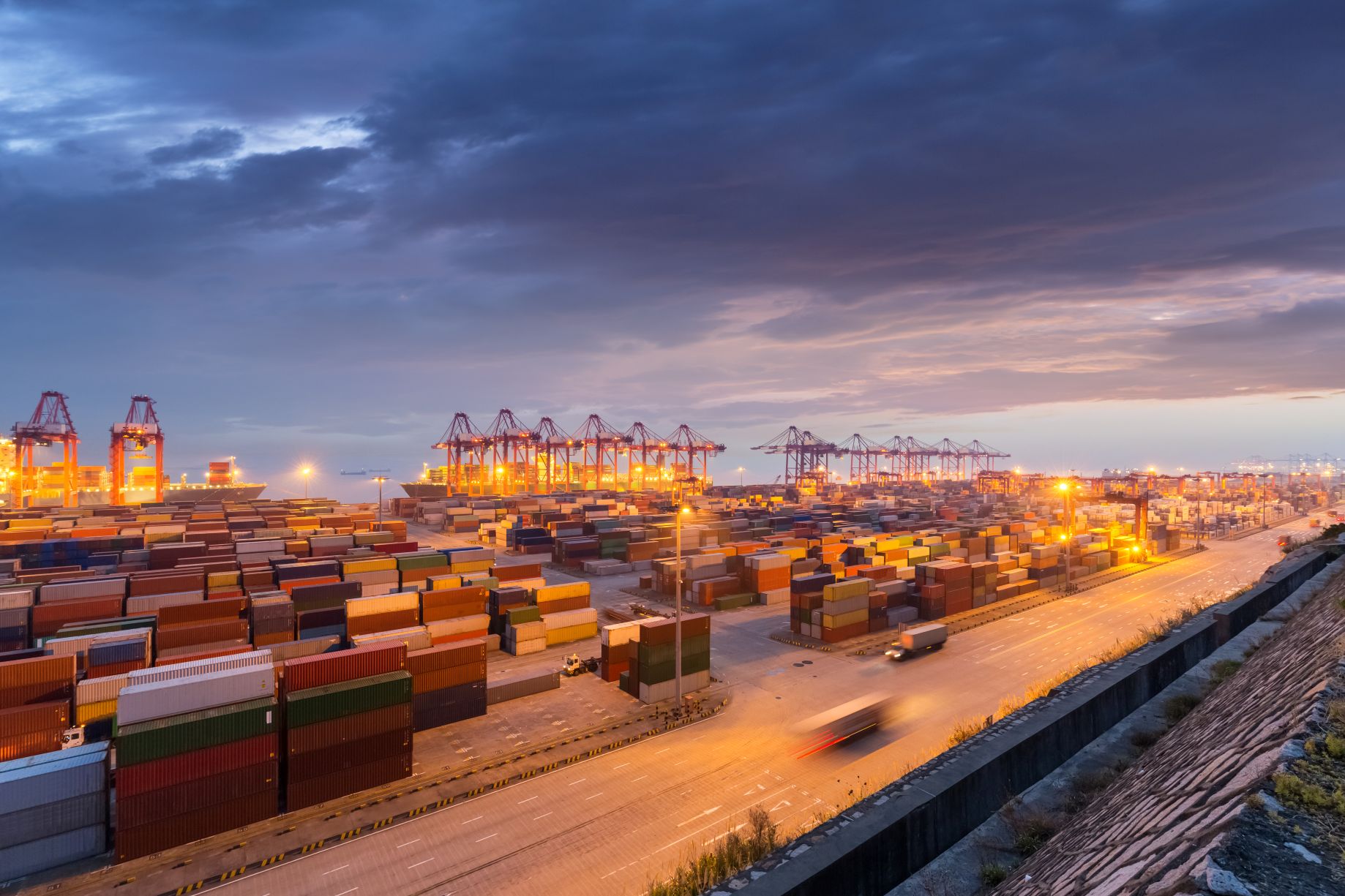
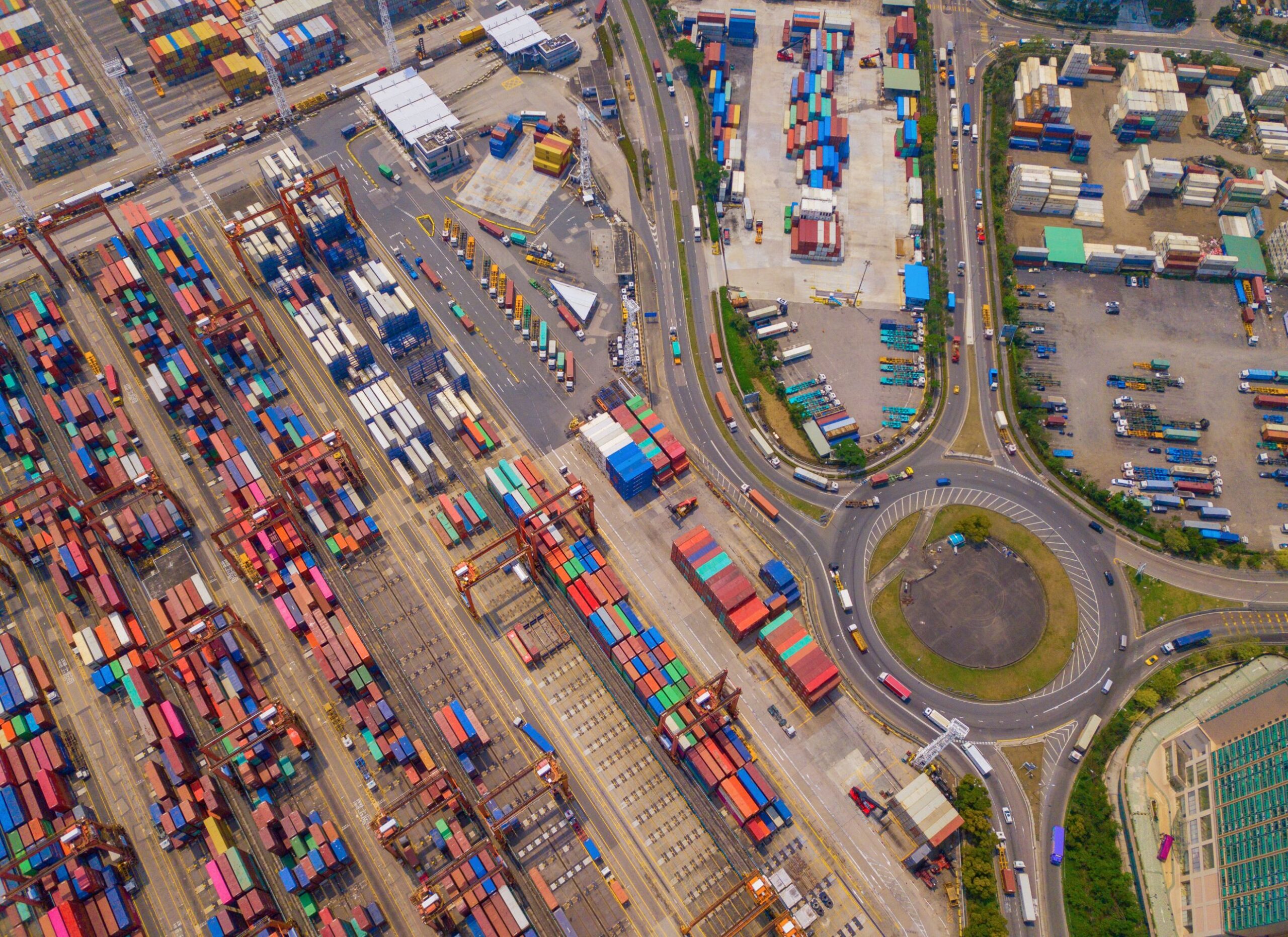
The future of logistics is integrated. As infrastructure improves and technology advances, the seams between different modes of transport will become even less visible. Multimodal freight is driving this evolution, with the rise of “smart ports” and automated rail terminals that speed up the transfer of goods.
Furthermore, the World Bank tracks logistics performance globally, noting that countries with better multimodal infrastructure consistently rank higher in trade efficiency. Governments worldwide are investing in better rail and port connections, recognizing that multimodal freight is key to economic competitiveness.
At LCX Freight, we are constantly monitoring these trends. We adapt our strategies to leverage new infrastructure and technologies as they become available. Whether it is utilizing a new rail corridor or adopting blockchain for smoother documentation, we are committed to staying at the forefront of the industry.
Why Standardization Matters
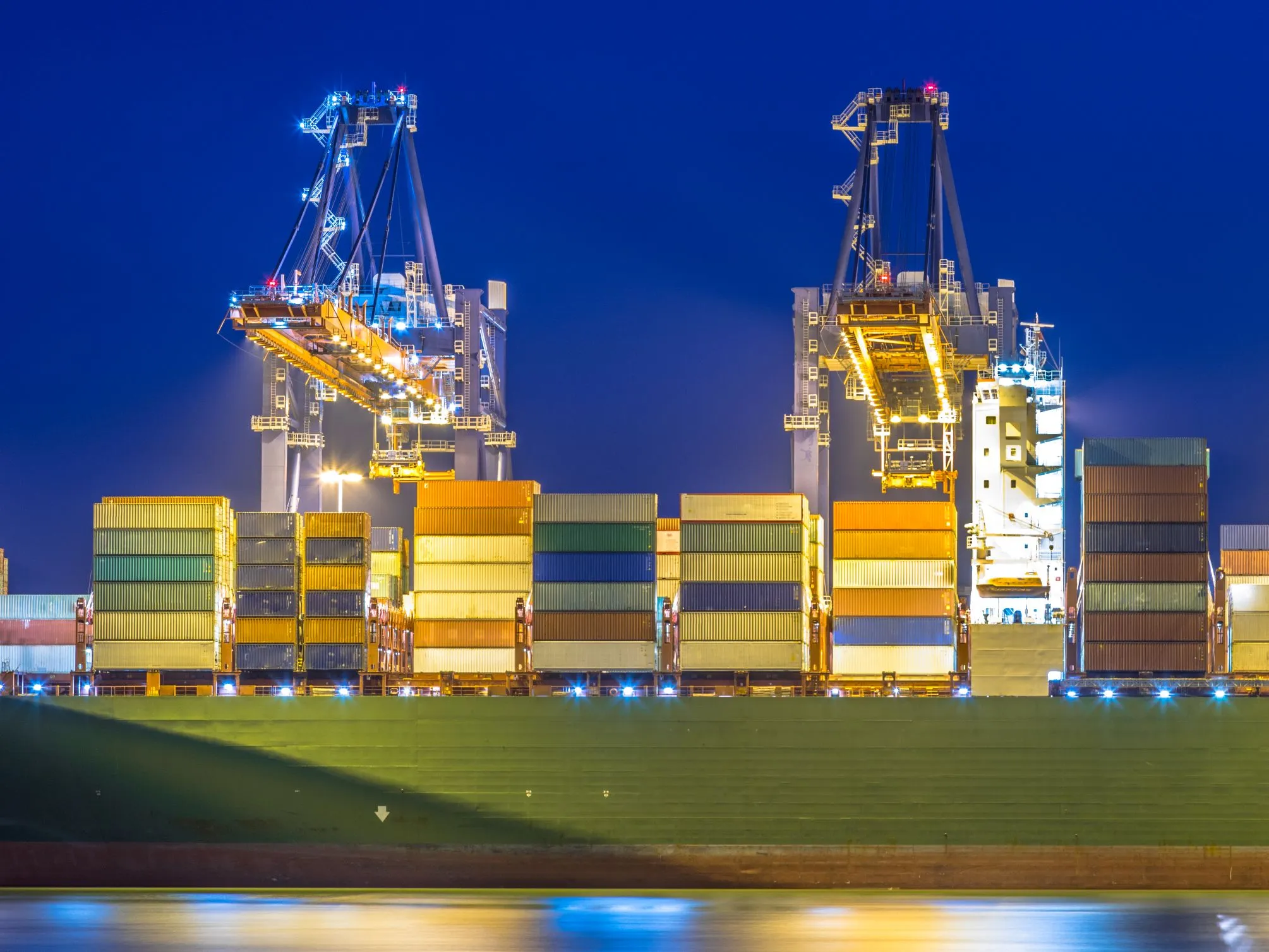
One of the unsung heroes of multimodal freight is the standardized shipping container. Before the container, moving goods from a truck to a ship involved manually handling individual crates and sacks—a slow, expensive, and theft-prone process. The ISO container revolutionized this.
Now, a standard 40-foot container can be lifted off a truck, placed onto a train, and then stacked onto a ship without the goods inside ever being touched. This standardization is what makes multimodal transport economically viable. It reduces handling time, minimizes damage, and speeds up the entire supply chain.
However, not all freight fits in a box. LCX Freight also specializes in non-containerized, breakbulk, and project cargo, applying multimodal freight principles even to oversized shipments.
Making the Switch to Multimodal
If your business currently relies heavily on a single mode of transport, it might be time to audit your supply chain. Are you paying for air freight when a Sea-Air solution would suffice? Are you trucking goods across the continent when rail could do it cheaper and greener?
Transitioning to a multimodal freight strategy doesn’t have to be an “all or nothing” change. You can start by testing specific trade lanes or product lines. The key is to work with a partner who can analyze the data and provide honest recommendations.
Questions to Ask Your Logistics Provider
When considering a switch, ask your provider:
- Do you have a single bill of lading for multimodal shipments?
- How do you handle tracking across different modes?
- What is your contingency plan if one leg of the journey fails?
- Can you provide a carbon footprint comparison for different route options?
LCX Freight is ready to answer these questions. We pride ourselves on transparency and partnership. We don’t just move boxes; we move businesses forward.
Conclusion
The logistics landscape is shifting. Volatility is the new normal, and flexibility is the only defense. Multimodal freight offers the versatility required to navigate this complex environment. By connecting air, sea, and land, businesses can unlock efficiencies that drive growth, reduce costs, and protect the planet.
It requires expertise to execute correctly, but the rewards are substantial. From the speed of air to the economy of sea and the reach of land, multimodal solutions bring the world closer together.
Ready to optimize your supply chain? LCX Freight is here to help you navigate the complexities of global transport. Let us design a solution that connects your business to the world with efficiency and reliability.
For more insights on global trade and transportation trends, sources like the Journal of Commerce (JOC) offer excellent analysis and news.