
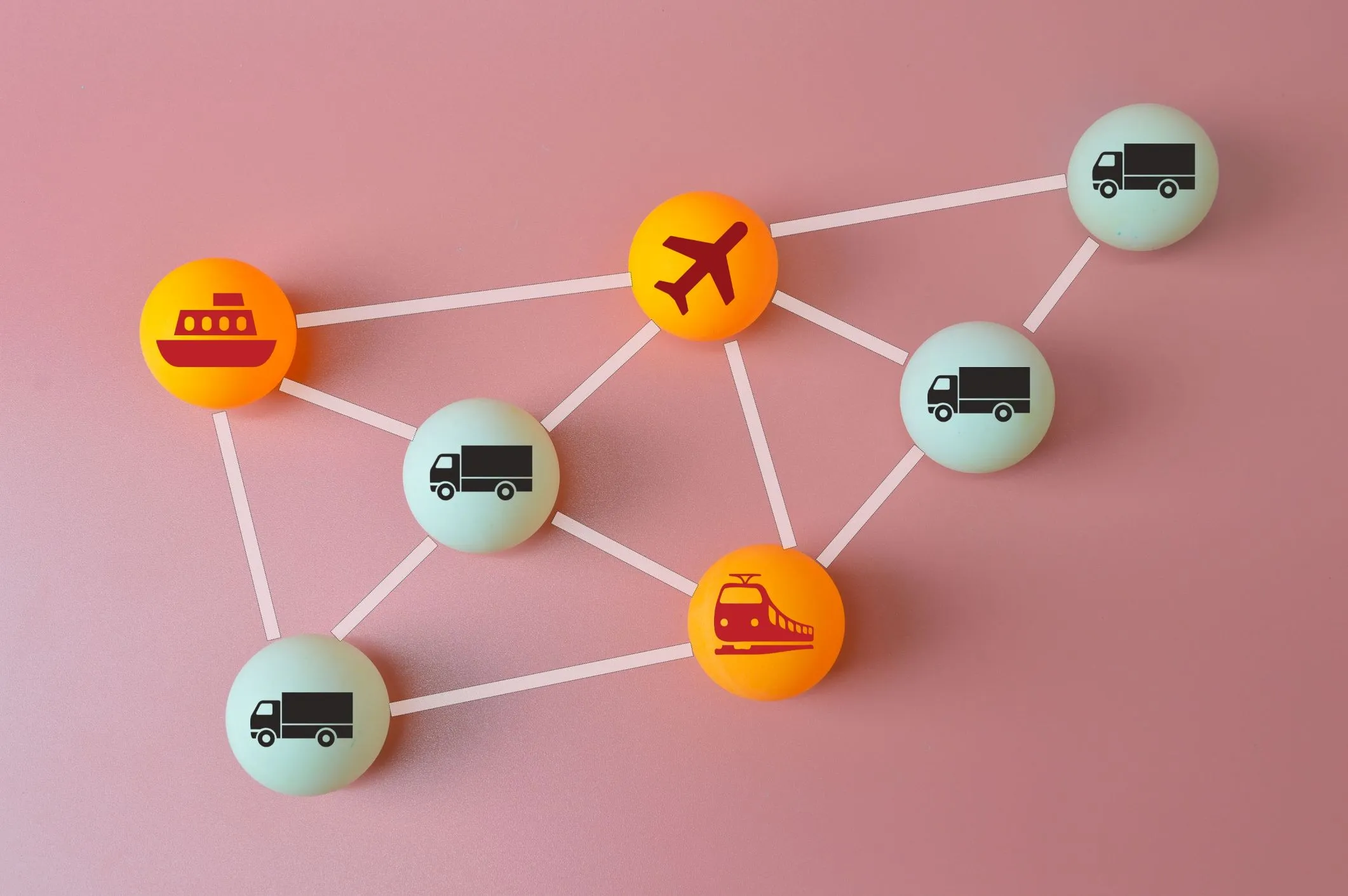




In the complex world of global trade, getting goods from one point to another involves a sophisticated dance between multiple partners. Two of the most crucial players in this process are freight forwarders and carriers. Historically, their relationship has often been transactional, focused on securing the best rates for individual shipments. However, the logistics landscape is shifting. The future belongs to those who embrace a deeper, more strategic partnership built on mutual trust, shared goals, and effective freight collaboration.
This move from a simple transactional relationship to a truly collaborative one is no longer just a good idea—it is becoming a necessity. As supply chains face increasing pressure from e-commerce growth, geopolitical instability, and rising customer expectations, the old ways of doing business are proving inefficient. A strategic freight collaboration is the key to unlocking new levels of efficiency, resilience, and innovation that will define the next era of logistics. This post will explore the significant benefits of this partnership, address the challenges that must be overcome, and look at the technologies and trends shaping this evolution.
The Traditional Model: A Transactional Relationship
To appreciate the shift toward collaboration, it’s important to understand the traditional dynamic between freight forwarders and carriers. For decades, the relationship has been largely defined by negotiation and competition.
A freight forwarder would act as an intermediary, contacting multiple carriers to find the lowest price for a shipper’s route, focusing solely on cost optimization. Meanwhile, carriers worked to fill their vessels, planes, or trucks at the highest possible yield. This traditional separation of goals often missed opportunities for true freight collaboration, where both parties could work together for more efficient outcomes beyond just price and capacity.
This model often created friction. Forwarders might struggle with unreliable capacity, last-minute price hikes, or a lack of visibility once a shipment was in the carrier’s hands. Carriers, in turn, dealt with unpredictable booking volumes from forwarders, last-minute cancellations, and the constant pressure to lower rates. The focus was on the individual transaction, not the long-term health of the supply chain or the partnership. While this approach worked for a time, it is ill-suited for the volatility and demands of the modern market.
Unlocking a Competitive Edge: The Benefits of Collaboration
When freight forwarders and carriers move beyond transactional exchanges and embrace true freight collaboration, they unlock immense value for themselves and their customers. This strategic alignment fosters an environment where freight collaboration allows both parties to thrive.
1. Enhanced Efficiency and Cost Savings
One of the most immediate benefits of collaboration is improved operational efficiency. When forwarders and carriers share data and forecasts, carriers can better plan their capacity, leading to fewer empty slots and more optimized routes. This predictability allows carriers to offer more stable, competitive pricing to their forwarder partners.
For forwarders, this means more reliable access to capacity, even during peak seasons, and the ability to provide their clients with more accurate quotes and timelines. Joint planning can also identify opportunities for consolidation, where shipments from multiple clients can be bundled together, reducing overall costs and the environmental impact of transportation. This synergy turns a zero-sum negotiation into a win-win scenario where efficiency gains are shared.
2. Improved Visibility and Transparency
In today’s logistics, information is as valuable as the cargo itself. Shippers demand real-time visibility into their shipments, and freight collaboration is the only way to deliver it effectively. Through the integration of technology platforms—like Transportation Management Systems (TMS) and Application Programming Interfaces (APIs)—carriers can share live data with forwarders.
This data stream can include vessel locations, container statuses, and estimated times of arrival. Forwarders can then pass this information directly to their clients, providing the transparency they need to manage their own inventory and production schedules. This level of visibility helps in proactively identifying potential delays and allows for contingency planning, transforming the forwarder’s service from a simple booking agent to a strategic supply chain partner.
3. Greater Resilience and Agility
Modern supply chains are constantly under threat from disruptions, whether from port congestion, labor strikes, extreme weather, or geopolitical events. In these situations, freight collaboration is key. A transactional relationship offers little flexibility, but a collaborative partnership builds resilience.
When a disruption occurs, partners who trust each other and have established lines of communication can work together to find solutions quickly. A carrier might be able to prioritize a forwarder’s urgent cargo or suggest alternative routes through its network. The forwarder, with its deep understanding of the client’s needs, can work with the carrier to assess options and make the best decision. This agility is impossible to achieve when the relationship is based solely on one-off transactions. According to insights from McKinsey & Company, building resilient supply chains is a top priority for executives, and collaboration is a cornerstone of that effort.
4. Driving Innovation and Service Development
Strategic partnerships create fertile ground for innovation. When forwarders and carriers embrace freight collaboration, they can co-develop new services and solutions that meet evolving market needs. This could involve creating specialized services for industries like pharmaceuticals or perishables, which require strict temperature control and handling protocols.
Furthermore, collaboration can accelerate the adoption of sustainable logistics practices. Forwarders can work with carriers who are investing in greener fuels, more efficient vessels, and carbon-tracking technologies. By aligning on sustainability goals, they can offer clients eco-friendly shipping options, a significant differentiator in a market where corporate social responsibility is increasingly important.
Navigating the Hurdles: Challenges to Collaboration
While the benefits are clear, forging a successful collaborative partnership is not without its challenges. It requires a fundamental shift in mindset and a willingness to overcome several long-standing obstacles.
1. Lack of Trust and Conflicting Goals
The biggest barrier is often a historical lack of trust. Years of competitive negotiations have created an environment where both parties may be hesitant to share information, fearing it could be used against them in future negotiations. Carriers might worry that sharing too much data about capacity and pricing will weaken their position, while forwarders might be reluctant to share long-term forecasts.
Overcoming this requires a commitment from leadership on both sides to build a relationship based on transparency and mutual benefit. Successful freight collaboration starts with small steps, like establishing clear communication channels and celebrating early wins together.
2. Technological Incompatibility
Effective collaboration relies on the seamless flow of data, but the logistics industry is notorious for its fragmented technological landscape. Many carriers and forwarders use legacy systems that don’t easily communicate with each other. Integrating these disparate systems to enable real-time data sharing can be a complex and expensive undertaking.
The solution lies in adopting modern, open platforms and APIs that allow for easier integration. Industry groups like the Digital Container Shipping Association (DCSA) are working to establish standards that will make this data exchange much simpler in the future, but widespread adoption will take time.
3. Resistance to Change
Human nature often resists change, and the logistics industry is no exception. Shifting from a familiar, transactional model to a new, collaborative one centered on freight collaboration requires changes to processes, roles, and responsibilities. Employees who are accustomed to negotiating every shipment on price may need retraining to focus on building long-term relationships and identifying value beyond cost.
Successful change management is critical for freight collaboration. Leadership must clearly articulate the vision and benefits of this collaboration, provide the necessary training and tools, and create incentives that reward collaborative behaviors.
The Future is Collaborative: Trends Shaping the Partnership
The push toward freight collaboration is being accelerated by several powerful trends that are reshaping the logistics industry.
The Rise of Digital Platforms
Digital freight platforms and marketplaces are transforming how forwarders and carriers connect. These platforms provide a neutral ground where both parties can share data, access real-time pricing, and book capacity more efficiently. While some see these platforms as a threat to traditional relationships, the most successful ones are those that facilitate, rather than replace, freight collaboration. They provide the technological backbone that makes deeper partnerships possible at scale.
Data Analytics and AI
The increasing availability of data, combined with the power of artificial intelligence (AI), is unlocking new possibilities in freight collaboration. By analyzing shared data, forwarders and carriers can uncover trends, predict demand with greater accuracy, and optimize networks in ways that were previously impossible. For example, AI algorithms can analyze historical shipping patterns, weather data, and port congestion to recommend the most efficient and reliable routes. As highlighted by publications like the Journal of Commerce, AI is becoming a vital tool for predictive logistics.
A Focus on Sustainability
Environmental concerns are putting pressure on the entire logistics industry to reduce its carbon footprint. According to the International Transport Forum, freight transport is a major contributor to CO2 emissions. Shippers are increasingly demanding sustainable options, and forwarders are looking for carrier partners who can help them meet these demands. This shared goal is a powerful catalyst for freight collaboration, encouraging joint investment in green technologies and the development of more sustainable supply chain solutions.
Building the Partnership of the Future
The path toward a fully collaborative future requires commitment and effort from both freight forwarders and carriers. True freight collaboration begins with a shared understanding that success in modern logistics is not a zero-sum game. By working together, they can create a supply chain that is more efficient, resilient, and responsive to the needs of the end customer.
At LCX Freight, we believe that strong partnerships are the foundation of great logistics. We are committed to building deep, collaborative relationships with our carrier partners to deliver exceptional value and service to our clients. The future of logistics is connected, transparent, and built on freight collaboration. By embracing this evolution, we can navigate the complexities of global trade together.