
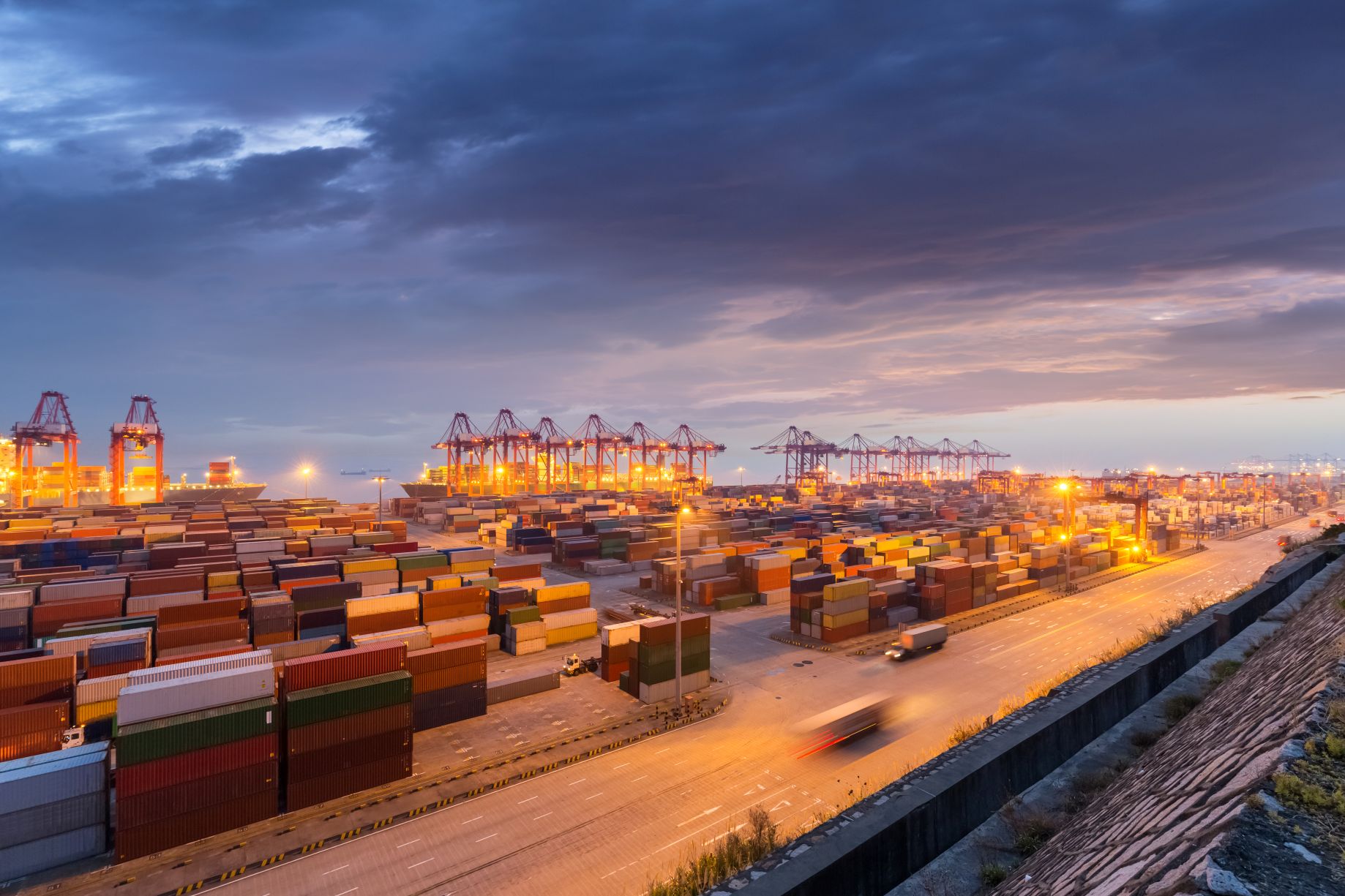

We are well past the days when offering two-day shipping was a luxury. In 2026, the landscape of digital retail has shifted dramatically. Customers now expect hyper-speed, absolute transparency, and sustainable practices as the baseline, not the bonus. For online sellers, keeping up with E-commerce Logistics 2026 trends isn’t just about operations; it is about survival.
As we navigate this year, the supply chain is no longer a hidden backend function. It is a front-facing marketing tool. If you can’t get the product to the customer efficiently, the quality of the product ceases to matter. This guide explores the critical shifts shaping E-commerce Logistics 2026 and how your business can adapt to thrive.
The State of Logistics: A 2026 Overview
The logistics sector has undergone a massive transformation over the last few years. We have moved from reactive supply chains—fixing problems as they arise—to predictive ecosystems driven by artificial intelligence.
In 2026, resilience is the watchword. Global disruptions are still a reality, whether from geopolitical shifts or climate events. However, businesses that master E-commerce Logistics 2026 are using diversified sourcing and decentralized warehousing to mitigate these risks. The goal is simple: ensure the package arrives, no matter what happens in the world.
Why Adaptation is Non-Negotiable
Retailers who cling to logistics models from 2024 or earlier are finding themselves outpaced. Speed is currency. According to recent industry reports, a significant percentage of cart abandonment in 2026 is directly tied to unsatisfactory delivery options or vague shipping timelines. Your logistics strategy must be as agile as your marketing strategy.
Trend 1: AI-Driven Fulfillment and Prediction
Artificial Intelligence is no longer a buzzword; it is the engine room of E-commerce Logistics 2026. This year, we are seeing AI move beyond simple route optimization into complex predictive analytics.
Warehouses are now smarter than ever. Instead of waiting for an order to be placed to move inventory, algorithms predict demand surges based on social media trends, weather patterns, and historical data. This allows LCX Freight and other modern partners to position stock closer to the end consumer before they even click “buy.”
Hyper-Personalized Delivery
AI also enables hyper-personalized delivery experiences. Customers can now change delivery windows in real-time or reroute packages to smart lockers with a single tap. This flexibility is a hallmark of E-commerce Logistics 2026. If your current logistics setup doesn’t allow for dynamic rerouting, you are likely frustrating a segment of your customer base.
- Actionable Tip: Audit your current 3PL (Third-Party Logistics) tech stack. Does it offer predictive stocking? If not, you might be holding too much inventory in the wrong places.
For more on how AI is revolutionizing supply chains, check out this report on AI in Supply Chain Management.
Trend 2: The Green Revolution in Last-Mile Delivery
Sustainability has graduated from a “nice-to-have” corporate responsibility slide to a hard operational requirement. In the world of E-commerce Logistics 2026, carbon footprints are being measured and taxed.
Consumers are increasingly voting with their wallets. They are choosing brands that offer carbon-neutral shipping options or eco-friendly packaging. But the real shift this year is in the vehicles themselves. Electric Vehicle (EV) fleets are now the standard for last-mile delivery in urban centers.
Circular Economy Logistics
Another massive component of E-commerce Logistics 2026 is the rise of the circular economy. Returns are no longer just waste; they are potential inventory. Logistics systems must now be capable of efficiently processing returns for resale, recycling, or refurbishment. This “reverse logistics” is a complex beast, but mastering it can save significant revenue.
- Stat: Recent studies suggest that efficient reverse logistics can recover up to 30% of the product’s value.
For insights on sustainability regulations affecting logistics, the Environmental Protection Agency (EPA) provides updated guidelines.
Trend 3: Decentralized Warehousing Networks
The era of the mega-warehouse serving the entire country is fading. E-commerce Logistics 2026 favors a decentralized approach. This means utilizing a network of micro-fulfillment centers (MFCs) located in urban cores.
By placing inventory in smaller hubs closer to population centers, brands can achieve same-day or next-day delivery without the exorbitant costs of expedited air freight. This strategy is crucial for competing with retail giants who have normalized instant gratification.
The Role of Micro-Fulfillment
Micro-fulfillment centers are often highly automated, using robotics to pick and pack orders in tight spaces. This density allows for lower real estate costs while maintaining high throughput. For a mid-sized seller, tapping into a logistics network that offers MFC access is a game-changer for E-commerce Logistics 2026.
Trend 4: Autonomous Delivery Vehicles and Drones
While we aren’t seeing drones drop packages on every doorstep just yet, 2026 has seen a marked increase in autonomous delivery in specific sectors. Sidewalk robots are becoming common in university towns and dense urban neighborhoods.
For E-commerce Logistics 2026, this means exploring partnerships with carriers who are piloting these technologies. While it might seem futuristic, autonomous delivery can significantly reduce the cost of the “last mile,” which traditionally accounts for the largest chunk of shipping expenses.
- Strategic Move: Keep an eye on regional carriers. They are often faster to adopt these niche technologies than the national giants.
Read more about the regulations governing autonomous transport at the U.S. Department of Transportation.
Trend 5: Supply Chain Visibility and Transparency
In E-commerce Logistics 2026, opacity is the enemy. Customers want to know exactly where their package is, not just that it has “shipped.” They expect granular tracking that updates in real-time.
But visibility isn’t just for the customer; it’s for you, the seller. You need to know if a container is stuck at a port or if a raw material shipment is delayed. Real-time visibility platforms allow you to proactively communicate with customers about delays before they get angry.
Blockchain for Authenticity
Blockchain technology is playing a quiet but vital role in E-commerce Logistics 2026. It provides an immutable record of a product’s journey. For sellers of high-value or luxury goods, this proof of authenticity and ethical sourcing is a powerful selling point.
Overcoming Challenges in 2026
Despite the advancements, E-commerce Logistics 2026 is not without its hurdles. Labor shortages continue to plague the warehousing sector, driving up costs. Fuel volatility remains a wildcard.
To combat labor shortages, successful logistics operations are investing heavily in “cobots”—collaborative robots that work alongside humans to reduce physical strain and increase efficiency. Automation is the only way to scale when the labor pool is shallow.
The Cost of Free Shipping
The consumer expectation of “free shipping” remains the biggest margin killer. In E-commerce Logistics 2026, smart sellers are no longer eating this cost entirely. They are bundling costs into product prices or setting higher minimum order values to qualify for free shipping. Transparency about why shipping costs money (e.g., “We pay our drivers fair wages”) is surprisingly effective with modern consumers.
Strategic Preparation for Sellers
So, how do you prepare your business for the realities of E-commerce Logistics 2026? Here is a checklist to get started:
- Diversify Carriers: Do not rely on a single carrier. Rate shopping software is essential to find the best mix of speed and cost for every single package.
- Optimize Packaging: Shipping air is expensive. Use “right-sized” packaging technology to reduce dimensional weight costs and waste.
- Leverage Data: Use your sales data to predict inventory needs. Don’t guess; let the numbers dictate where you stock your goods.
- Partner with Experts: If logistics isn’t your core competency, outsource it. Partners like LCX Freight specialize in navigating the complexities of E-commerce Logistics 2026.
The Human Element in a Tech-Heavy World
Amidst all the talk of AI and robotics, the human element remains vital. Customer service teams need access to logistics data to solve problems with empathy and accuracy. When a delivery goes wrong—and it will—how you handle it defines your brand loyalty.
In E-commerce Logistics 2026, the integration between your customer support software and your warehouse management system (WMS) must be seamless. Support agents should be able to see exactly what the warehouse sees.
Conclusion: Future-Proofing Your Business
The world of E-commerce Logistics 2026 is dynamic, demanding, and incredibly exciting. It offers tools that were unimaginable a decade ago. However, these tools require a strategy. You cannot simply plug in a piece of software and hope for the best.
Online sellers must view logistics as a competitive advantage. By embracing sustainability, leveraging AI for prediction, and decentralizing inventory, you can meet the high expectations of the 2026 consumer.
Start by evaluating your current supply chain. Is it reactive or predictive? Is it rigid or flexible? The answers to these questions will determine your success this year.
Don’t let logistics be the bottleneck that throttles your growth. Embrace the trends of E-commerce Logistics 2026 and turn your shipping strategy into a customer retention engine.
For further reading on global trade trends that influence logistics, visit the World Trade Organization.