
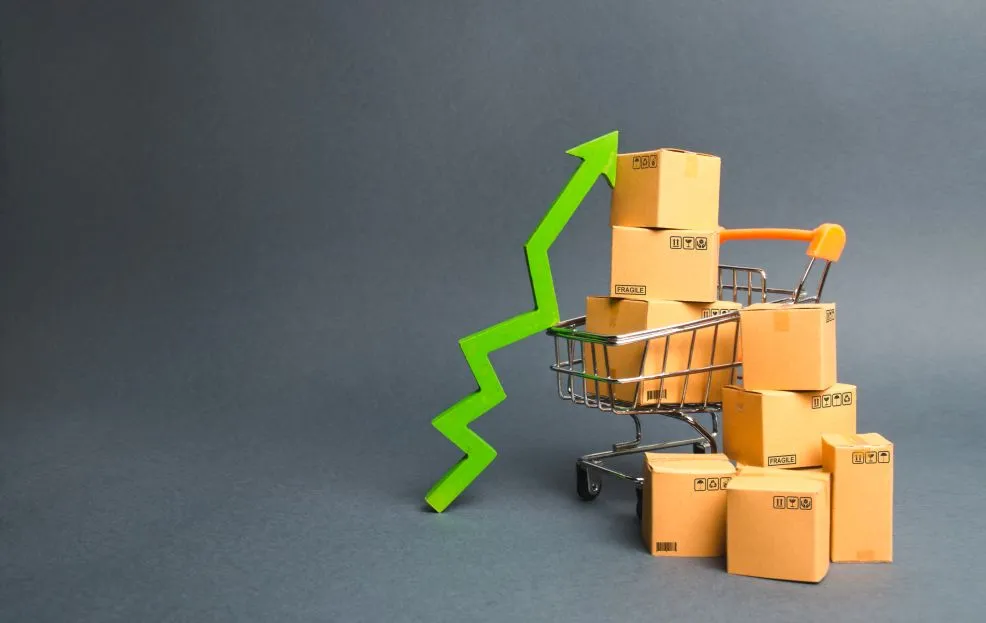
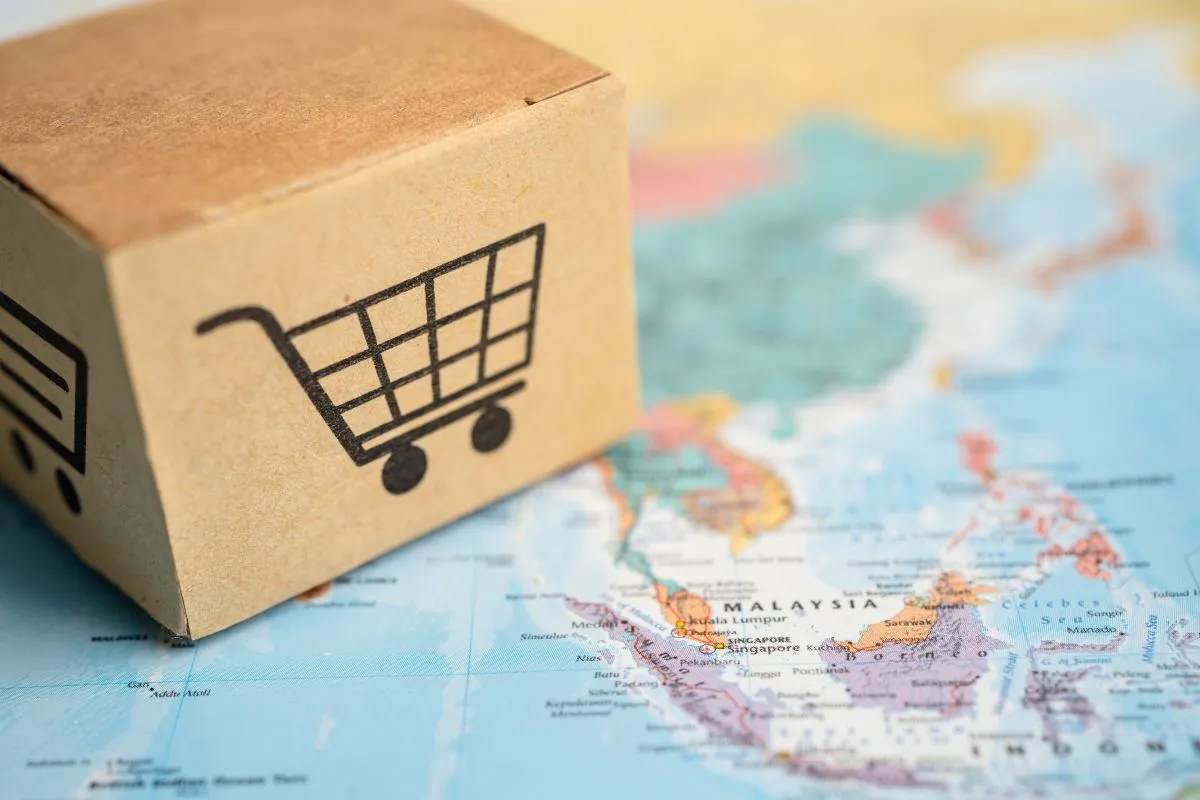

By 2026, ecommerce has moved far beyond rapid growth and entered a phase of operational maturity. Consumers still expect speed, transparency, and low costs—but brands are now forced to deliver all three under tighter margins, stricter regulations, and global volatility. At the center of this evolution are ecommerce supply chains, which have become the real competitive battleground.
What worked five years ago—single-node fulfillment, cheap international shipping, and reactive logistics—is no longer enough. Today’s ecommerce leaders are re-engineering ecommerce supply chains around resilience, data intelligence, and multi-modal execution. At the same time, companies that failed to adapt are feeling the consequences through delayed deliveries, rising costs, and customer churn.
This article breaks down what is working, what is not, and how ecommerce supply chains must evolve to remain competitive in 2026 and beyond.
The New Reality of Ecommerce Logistics
Ecommerce volumes continue to grow globally, but the nature of demand has changed. Instead of unpredictable surges, retailers now face:
- Consistently high order volumes
- Increased cross-border complexity
- Customer expectations for same-day or next-day delivery
- Heightened sensitivity to shipping costs
In response, ecommerce supply chains are being redesigned not just for speed, but for control and adaptability.
According to the World Economic Forum, supply chain disruptions now occur every 3.7 years on average, forcing companies to treat resilience as a core strategy rather than a contingency.
Outbound reference: https://www.weforum.org/topics/supply-chains/
What’s Working in Ecommerce Supply Chains in 2026
1. Distributed Fulfillment Networks
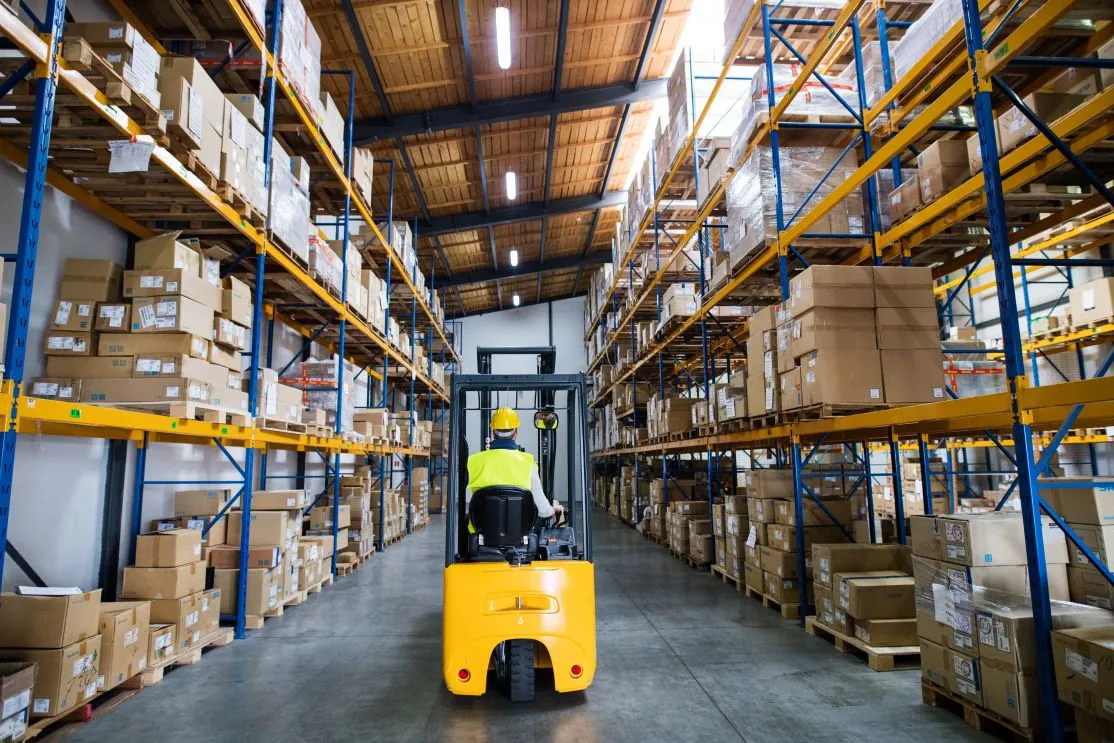
Centralized warehouses once made sense for cost efficiency, but they are now a liability. In 2026, high-performing ecommerce supply chains rely on distributed fulfillment, placing inventory closer to demand centers.
Benefits include:
- Reduced last-mile delivery times
- Lower transportation costs
- Improved service-level consistency
This model allows ecommerce brands to scale regionally without over-investing in a single mega-facility.
2. Data-Driven Inventory Positioning
Inventory is no longer placed based on historical averages alone. Modern ecommerce supply chains use predictive analytics to position inventory dynamically based on:
- Demand forecasting
- Seasonal buying patterns
- Regional sales velocity
McKinsey reports that companies using advanced demand planning reduce inventory holding costs by up to 20% while improving fulfillment speed.
Outbound reference: https://www.mckinsey.com/capabilities/operations/our-insights/supply-chain-analytics
3. Multimodal Freight Strategies
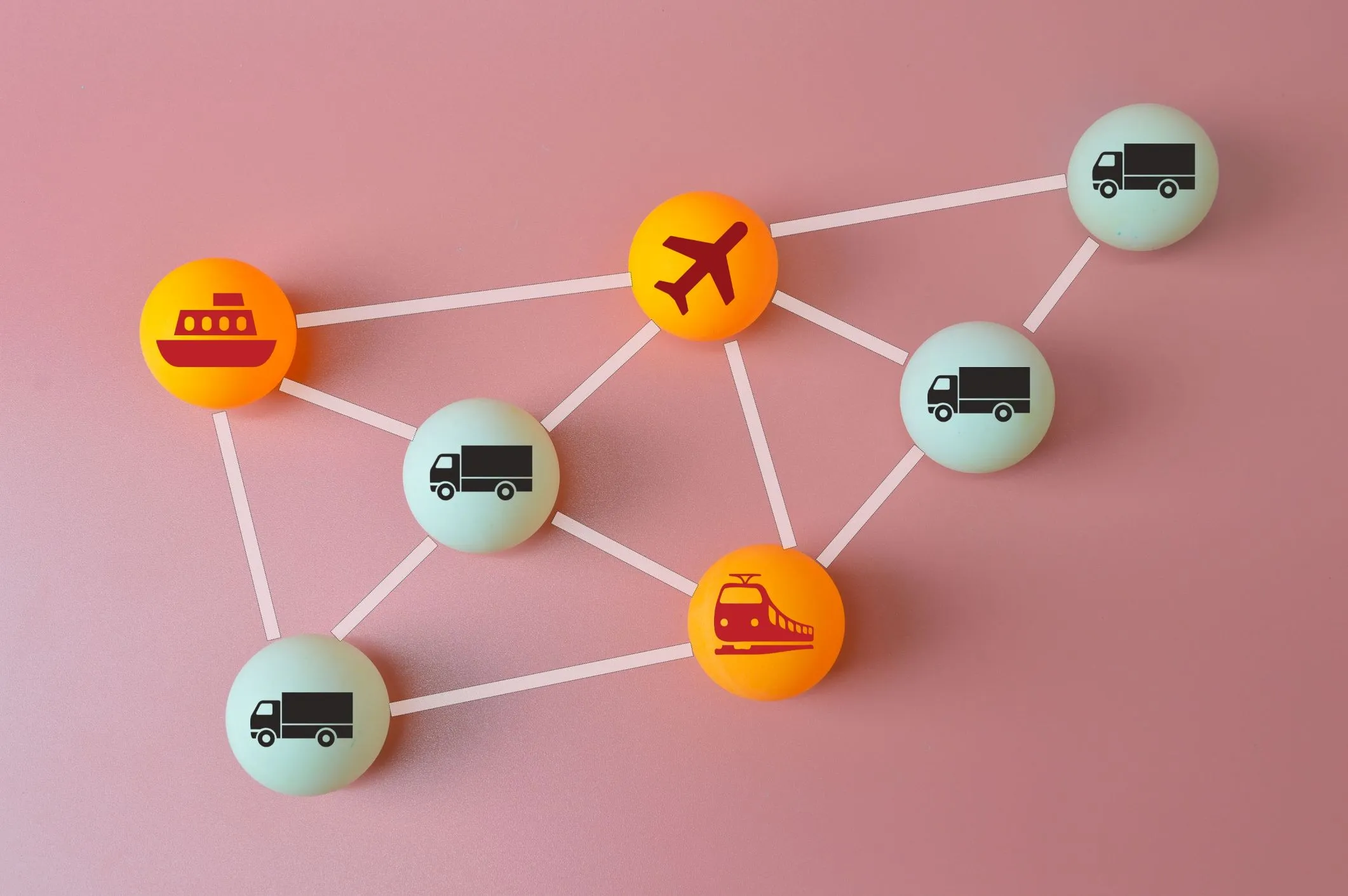
One of the most effective shifts in ecommerce supply chains is the move away from single-mode dependence. Brands now blend:
- Air freight for high-value or urgent SKUs
- Ocean freight for replenishment
- Ground transport for regional distribution
This multimodal approach improves cost control and provides flexibility when disruptions occur—something LCX Freight specializes in executing across global lanes.
4. Technology-Enabled Visibility
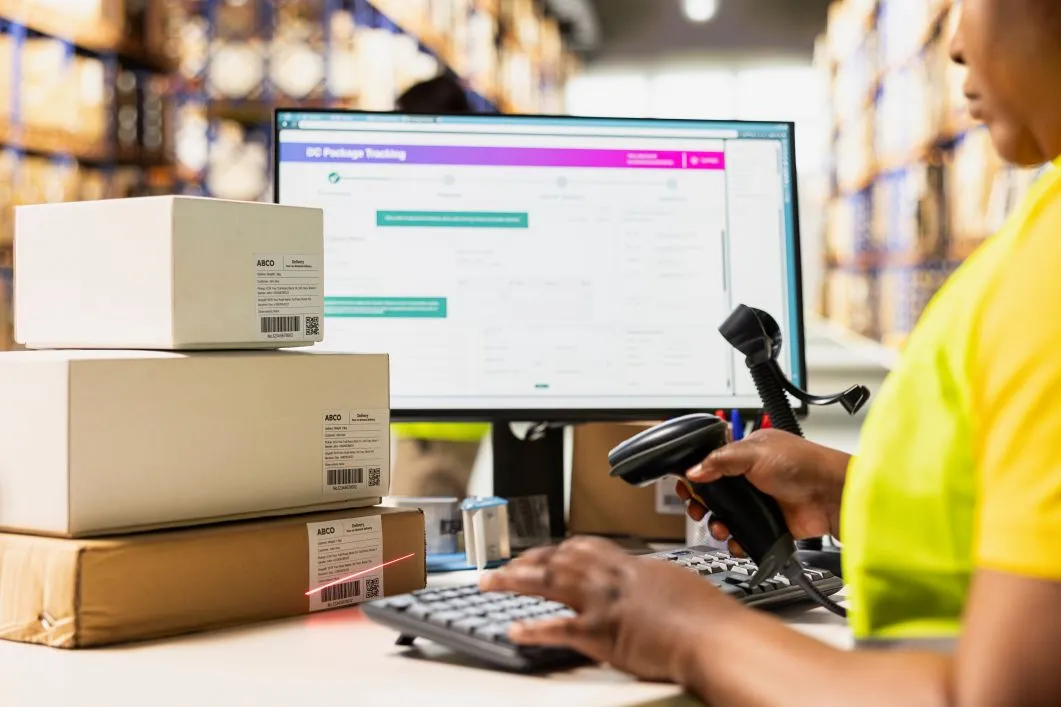
Real-time visibility is no longer optional. In 2026, leading ecommerce supply chains provide end-to-end tracking from origin to final delivery.
Key advantages include:
- Faster exception management
- Better customer communication
- Reduced operational blind spots
According to Gartner, supply chain visibility tools can reduce disruption response time by up to 50%.
Outbound reference: https://www.gartner.com/en/supply-chain
5. Strategic Logistics Partnerships
Instead of managing dozens of vendors, ecommerce companies now favor strategic logistics partners that integrate freight forwarding, customs, warehousing, and distribution.
This consolidation strengthens ecommerce supply chains by improving coordination, accountability, and scalability—particularly for cross-border ecommerce.
What’s Not Working Anymore
1. Over-Reliance on Fast Shipping at Any Cost
Offering ultra-fast delivery without cost control has proven unsustainable. Many brands learned the hard way that subsidizing shipping erodes margins quickly.
In 2026, successful ecommerce supply chains prioritize smart speed—balancing delivery time with profitability.
2. Single-Source Suppliers
Supply chain fragility has exposed the risks of relying on a single supplier or manufacturing region. When disruptions occur, companies without alternatives face stockouts and missed sales.
Resilient ecommerce supply chains diversify sourcing and logistics routes to maintain continuity.
3. Manual Processes and Fragmented Systems
Spreadsheets, disconnected platforms, and manual order handling slow everything down. These inefficiencies create blind spots and increase error rates.
Modern ecommerce supply chains rely on automation and system integration to handle volume without sacrificing accuracy.
4. Ignoring Regulatory Complexity
Cross-border ecommerce continues to face stricter customs regulations, tax rules, and compliance requirements. Companies that fail to account for this face delays, penalties, and customer dissatisfaction.
The World Customs Organization highlights increasing enforcement on ecommerce shipments globally.
Outbound reference: https://www.wcoomd.org/en/topics/facilitation/instrument-and-tools/tools/e-commerce.aspx
The Cost of Getting Ecommerce Supply Chains Wrong
When ecommerce supply chains fail, the impact goes far beyond logistics. Consequences include:
- Lost customer trust
- Higher return rates
- Increased operational costs
- Damaged brand reputation
In a market where switching costs are low, fulfillment failures quickly translate into lost revenue.
How Ecommerce Supply Chains Must Evolve Beyond 2026
Build for Scalability, Not Just Growth
Growth without structure leads to chaos. Future-proof ecommerce supply chains are designed to scale up or down without breaking.
This requires:
- Flexible transportation capacity
- Modular warehousing solutions
- Data-driven decision-making
Prioritize End-to-End Integration
Disconnected logistics functions slow execution. Integration across freight, warehousing, and distribution creates smoother workflows and faster response times.
Deloitte emphasizes that integrated supply chains outperform peers in service levels by 15–20%.
Outbound reference: https://www.deloitte.com/global/en/services/consulting/industries/supply-chain.html
Treat Logistics as a Competitive Advantage
In 2026, logistics is no longer a back-office function. The strongest ecommerce supply chains actively contribute to customer experience, brand differentiation, and profitability.
This mindset shift is separating market leaders from those struggling to keep up.
Where LCX Freight Fits In
LCX Freight supports modern ecommerce supply chains by delivering:
- Multimodal freight forwarding solutions
- Cross-border expertise
- Scalable logistics infrastructure
- Visibility-driven operations
By aligning logistics execution with ecommerce strategy, LCX Freight enables brands to compete in an increasingly demanding marketplace.
Final Thoughts
Ecommerce in 2026 is not about shipping faster at any cost—it’s about building resilient, intelligent, and scalable ecommerce supply chains that can adapt to constant change.
What’s working is clear: distributed fulfillment, data intelligence, multimodal logistics, and strong partnerships. What’s not working is equally obvious: rigidity, fragmentation, and short-term thinking.
For ecommerce brands that want to win in the years ahead, the future belongs to those who treat ecommerce supply chains not as an expense—but as a strategic engine for growth.