


Expanding your ecommerce business across borders opens a massive door to revenue growth. The global ecommerce market is booming, and customers are increasingly comfortable buying from merchants located thousands of miles away. However, selling internationally is only profitable if you can master the logistics behind it, including international freight.
For many online retailers, international freight can feel like a maze of hidden fees, unpredictable delays, and confusing paperwork. Mismanaging these elements doesn’t just hurt your bottom line; it damages customer trust. When a package gets stuck in customs or arrives with unexpected duty fees, that customer is unlikely to return.
This guide will break down the three pillars of successful cross-border shipping: cost management, transit speed, and regulatory compliance. We will explore how to optimize your international freight strategy so your business can scale globally without operational headaches.
The True Cost of Going Global
One of the biggest hurdles in cross-border ecommerce is the cost. Shipping a product from a warehouse in Ohio to a customer in Munich involves far more than just postage. To maintain healthy margins, you need a granular understanding of where your money goes.
Understanding Landed Cost
If you only look at shipping rates, you are missing half the picture. The “landed cost” is the total price of a product once it has arrived at the buyer’s doorstep. This includes the manufacturing cost, international freight charges, insurance, currency conversion, duties, taxes, and handling fees.
Ignoring landed cost is a recipe for profit loss. If you absorb these costs unexpectedly, your margins vanish. If you pass them on to the customer at the last minute, you risk cart abandonment.
Strategies to Reduce Shipping Expenses
Reducing costs doesn’t always mean choosing the cheapest, slowest carrier. It requires a strategic approach to how you package, consolidate, and route your goods.
- Optimize Packaging: Carriers often charge based on dimensional weight (DIM weight), not just actual weight. This means you are paying for the space your package takes up on a plane or ship. Using smaller, custom-fit packaging can significantly lower your international freight bills.
- Consolidation Services: If you are shipping multiple orders to the same region, consider freight consolidation. This involves combining several smaller shipments into one larger shipment for the main leg of the journey. Once it arrives in the destination country, it is deconsolidated and sent to individual addresses.
- Negotiate with Carriers: Don’t accept the first rate card you see. Volume gives you leverage. If your international freight volume is growing, talk to your logistics partner about better rates.
For a deeper dive into cost structures, the International Trade Administration offers excellent resources on logistics planning for exporters.
Managing Transit Times: Speed vs. Reliability
In the age of Amazon Prime, customers expect speed. However, when dealing with international freight, “next-day delivery” is often prohibitively expensive. The goal is to find the sweet spot between speed and cost while maintaining absolute transparency with your buyer.
The Role of Air Freight vs. Ocean Freight
For most ecommerce businesses, the choice usually comes down to air versus ocean transport.
- Air Freight: This is the fastest option, ideal for high-value, low-weight items. If you are selling luxury watches or fast fashion, your customers might be willing to pay a premium for speed. International freight via air usually takes 3-7 days.
- Ocean Freight: This is significantly cheaper but much slower, taking weeks or even months. It is generally not suitable for direct-to-consumer delivery but is excellent for stocking fulfillment centers overseas.
Positioning Inventory Closer to Customers
One of the most effective ways to slash transit times is to stop shipping individual orders across the ocean. Instead, use a localized fulfillment strategy.
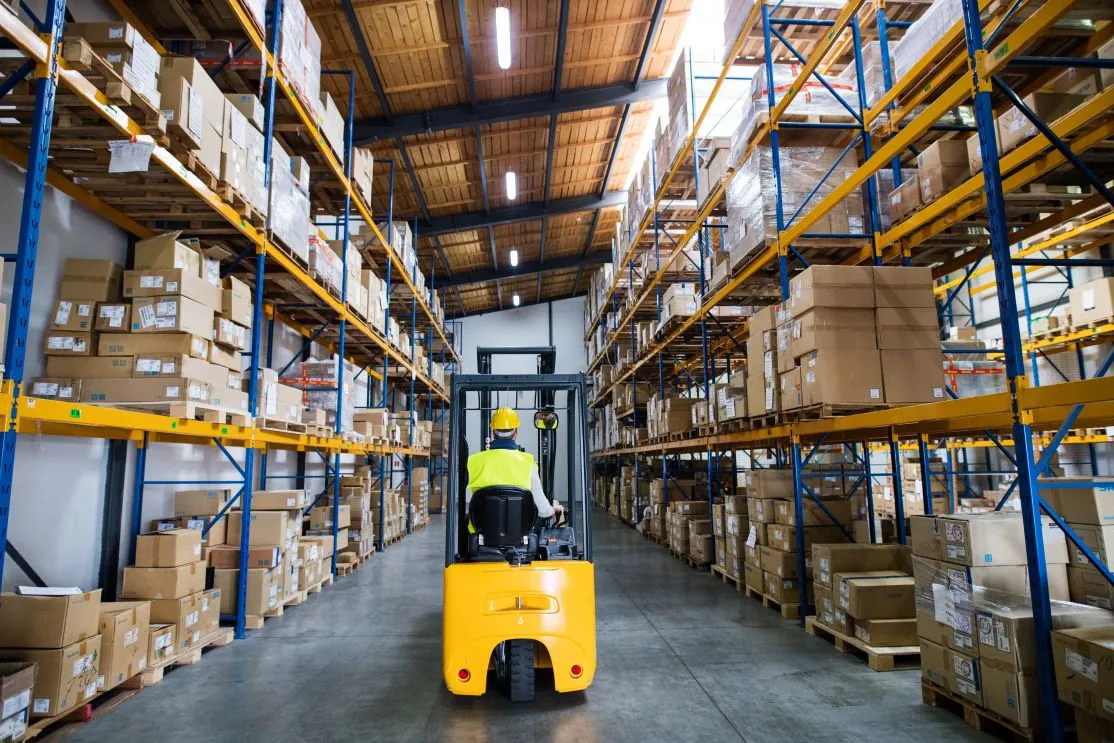
By shipping bulk international freight to a third-party logistics (3PL) provider located in your target country, you can offer local shipping rates and speeds. For example, if you have a strong customer base in the UK, sending a pallet of goods to a UK warehouse allows you to offer 2-day delivery to London customers, rather than the 10-day wait from the US.
mitigating Delays Before They Happen
Delays often happen at handover points. Ensure your logistics provider has integrated technology that allows for real-time tracking. When you can see where your international freight is stalled, you can communicate proactively with customers. Transparency turns a frustrated customer into a patient one.
According to data from Statista, shipping speed and cost are primary drivers for cart abandonment, making this balance critical for conversion.
Navigating the Maze of Compliance
Compliance is where many cross-border dreams turn into nightmares. Every country has its own set of rules, restricted items, and tax thresholds. Failing to comply can result in your international freight being seized, destroyed, or returned at your expense.
Customs Documentation
Accurate paperwork is non-negotiable. The Commercial Invoice is the passport for your shipment. It must clearly state:
- Value of goods: This must be the transaction value. Undervaluing goods to avoid taxes is illegal and can lead to severe penalties.
- Country of Origin: Where was the product actually made? This impacts tariff rates.
- HS Codes: The Harmonized System (HS) code is a standardized numerical method of classifying traded products. Using the wrong code can trigger incorrect duty calculations or inspections.
Duties and Taxes: DDP vs. DDU
You must decide who pays the duties and taxes: you or the customer.
- DDU (Delivered Duty Unpaid): The customer pays duties upon arrival. This often leads to “sticker shock” where the customer refuses the package because they didn’t expect an extra fee. The package is then returned to you, and you still have to pay the international freight costs.
- DDP (Delivered Duty Paid): You collect the estimated duties and taxes at checkout and pay them on the customer’s behalf. This provides a seamless “landed cost” experience for the buyer and increases conversion rates.
Tools provided by organizations like the World Customs Organization can help you understand the specific HS codes and regulations for different territories.
Restricted and Prohibited Items
What is legal to ship in the US might be banned elsewhere. For instance, certain cosmetics ingredients allowed in North America are prohibited in the EU. Lithium batteries are another common pain point in international freight due to safety regulations. Always verify the destination country’s import restrictions before marketing your products there.
Technology: The Backbone of Modern Logistics
Managing all these variables manually is impossible for a scaling business. You need a robust technology stack to handle complex international freight operations.
Shipping Software Integration
Modern shipping software integrates directly with your shopping cart (like Shopify or Magento) and your carriers. It can:
- Automatically generate compliant customs forms.
- Calculate real-time duties and taxes for DDP shipping.
- Select the best carrier for a specific route based on rules you set.
Visibility and Tracking
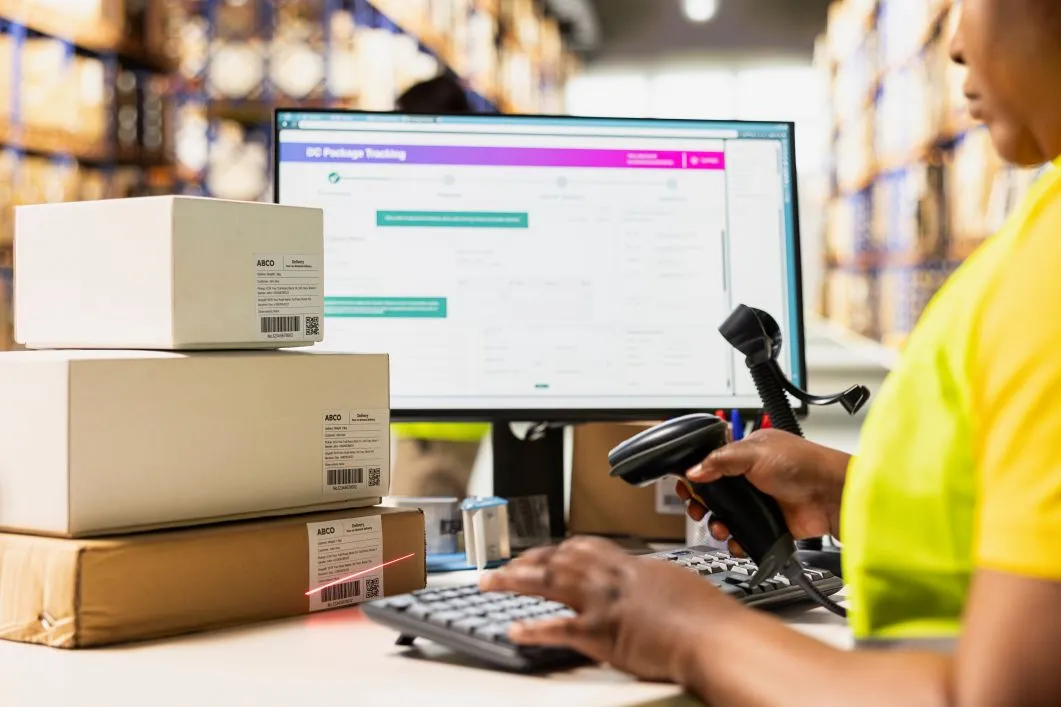
Customers want to know where their package is. Your international freight partner should provide an API or portal where tracking updates are pushed instantly to your customer service team and the buyer. This reduces “Where is my order?” (WISMO) tickets and improves customer satisfaction.
Selecting the Right Freight Partner
Not all logistics providers are created equal. When your business relies on international freight, you need a partner, not just a vendor.
Look for a forwarder or logistics provider that specializes in ecommerce. Traditional freight forwarders might be great at moving containers of steel, but they may lack the agility required for small parcel ecommerce.
Ask potential partners:
- Do they have their own customs brokerage team?
- What is their presence in your target markets?
- Do they offer DDP solutions?
- How do they handle returns?
Returns are a significant part of ecommerce. A reverse logistics plan for international freight is essential. Will you pay to ship the item back? Or is it cheaper to let the customer keep it and issue a refund?
Resources like the Council of Supply Chain Management Professionals can be valuable for networking and finding reputable partners in the industry.
Future-Proofing Your Strategy
The landscape of international freight changes rapidly. Fuel prices fluctuate, trade wars alter tariff schedules, and pandemics disrupt supply chains. To stay resilient, you must remain flexible.
Diversify your carrier mix so you aren’t reliant on a single airline or shipping lane. Keep a close eye on geopolitical events that could impact trade lanes. Most importantly, keep analyzing your data. Which lanes are profitable? Which products have high return rates internationally?
By treating international freight as a core competency rather than an afterthought, you position your brand for sustainable global growth.
Conclusion
Cross-border shipping is complex, but it is also the gateway to scaling your business beyond domestic limits. By understanding the intricacies of international freight costs, optimizing transit times through smart logistics, and strictly adhering to compliance standards, you can turn your supply chain into a competitive advantage.
Remember, the goal is not just to move a box from point A to point B. It is to deliver a promise to your customer, no matter where they are in the world. With the right planning and partners like LCX Freight, the world is open for business.
For more insights on global trade trends, consult the World Trade Organization website.