



The logistics industry is undergoing a massive shift. For decades, moving goods relied on phone calls, fax machines, and manual spreadsheets. Today, technology is rewriting the rulebook. The emergence of the digital freight market has streamlined operations, creating a more transparent and efficient ecosystem for shippers and carriers alike.
At LCX Freight, we understand that staying competitive means embracing innovation. This article explores how the digital freight market is reshaping the supply chain, the benefits it offers, and what the future holds for global shipping.
What is a Digital Freight Market?
A digital freight market is an online platform that connects shippers directly with carriers. Think of it as a matchmaking service for freight. Instead of relying on brokers to manually negotiate rates and book trucks, these platforms use algorithms to match loads with available capacity in real-time.
This technology removes friction from the booking process. It allows for instant quotes, real-time tracking, and automated documentation. By digitizing these steps, companies can reduce administrative overhead and focus on moving goods faster.
The traditional method of booking freight often involved hours of negotiation. A shipper would call a broker, who would then call multiple carriers to find a truck. This process was slow, prone to errors, and lacked transparency regarding pricing. The modern digital freight market eliminates these inefficiencies, providing a centralized hub where supply and demand meet instantly.
The Drivers Behind the Shift
Why is this transition happening now? Several factors are fueling the rapid adoption of digital freight solutions.
1. The Demand for Efficiency
In a world of Amazon-style delivery expectations, speed is currency. Supply chains are under immense pressure to deliver goods faster than ever before, and manual processes simply cannot keep up. The digital freight market automates the tedious parts of logistics, allowing for quicker decision-making.
2. Supply Chain Visibility
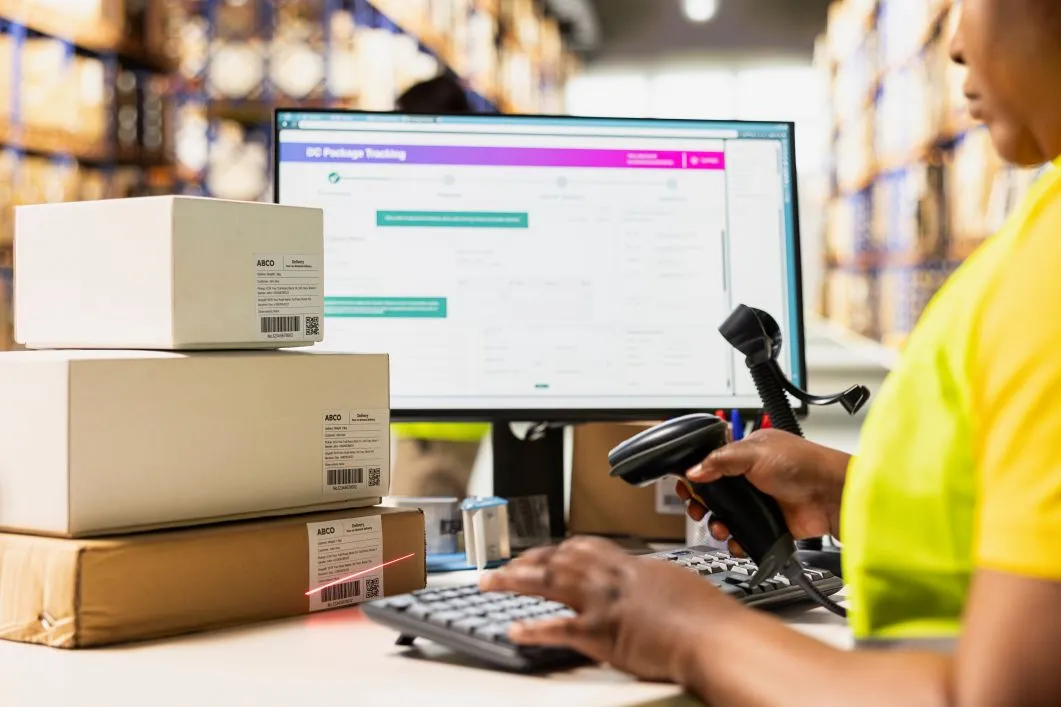
Shippers want to know where their freight is at all times. Traditional methods often left shippers in the dark once the truck left the warehouse. In the digital freight market, platforms provide real-time GPS tracking and status updates. This visibility helps companies manage inventory better and keep their customers informed.
According to a report by Gartner, real-time visibility is now a top priority for supply chain leaders looking to build resilience against disruptions.
3. Data-Driven Decision Making
The digital freight market generates vast amounts of data. Platforms analyze historical pricing, route efficiency, and carrier performance. This data empowers shippers to make informed choices. Instead of guessing which carrier is reliable, they can look at performance metrics. Instead of accepting the first price offered, they can benchmark rates against current market trends.
Key Benefits for Shippers
For businesses shipping goods, the transition to digital platforms offers significant advantages.
Lower Costs
By cutting out intermediaries and automating manual tasks, digital marketplaces often reduce transaction costs. The transparency of the digital freight market also fosters competition, ensuring that shippers get fair market rates. There are fewer hidden fees and more clarity on what you are paying for.
Improved Capacity Access
Finding a truck during peak seasons can be a nightmare. The digital freight market aggregates capacity from thousands of small carriers that might be hard to find otherwise. This vast network ensures that shippers can find space for their loads, even when the market is tight.
Streamlined Operations
Managing paperwork is one of the biggest headaches in logistics. Bills of lading, proof of delivery, and invoices are often lost or delayed. Digital platforms digitize these documents, storing them in a central cloud location. This makes audits easier and speeds up payment cycles.
For more on how digitization improves operational efficiency, McKinsey & Company provides excellent insights into Supply Chain 4.0.
Key Benefits for Carriers
It is not just shippers who benefit. Trucking companies, especially smaller fleets and owner-operators, gain substantial value from the digital freight market.
Faster Payments
Cash flow is critical for small carriers. Traditional payment terms can stretch to 30, 60, or even 90 days. Many digital platforms offer “Quick Pay” options, getting money into the hands of drivers within days of delivery. This financial liquidity keeps wheels turning.
Reduced Empty Miles
Driving an empty truck earns zero revenue. One of the biggest inefficiencies in trucking is “deadhead” miles—driving empty to pick up the next load. The rise of the digital freight market and advanced matching algorithms help carriers find backhauls more easily, ensuring their trucks stay full and profitable.
Autonomy and Control
Drivers and dispatchers can choose the loads they want, when they want them. They are not beholden to a single broker’s schedule. The app-based nature of the digital freight market puts control back in the hands of the carrier, allowing them to optimize their routes based on their preferences.
The Role of Automation and AI
Artificial Intelligence (AI) is the engine powering the digital freight market. It goes beyond simple matching. AI predicts pricing trends based on weather, seasonality, and economic indicators.
For example, if a hurricane is forecasted to hit the Gulf Coast, AI models can predict a spike in rates and a shortage of capacity in that region. Shippers can then adjust their schedules proactively.
Automation also handles the mundane in the digital freight market. Chatbots can answer common queries about load status, freeing up human staff to handle complex exceptions. This hybrid approach—technology handling the routine, humans handling the critical—is the hallmark of modern logistics.
Read more about the impact of AI in logistics in this comprehensive guide by Forbes.
Challenges in Adoption
Despite the clear benefits, the shift to a fully digital freight market is not without hurdles.
Resistance to Change
The logistics industry is famously traditional. Many long-time professionals prefer the personal touch of a phone call. Building trust in an algorithm takes time. Relationships matter in freight, and some worry that technology creates a cold, impersonal experience.
Integration Issues
Shippers often use complex Enterprise Resource Planning (ERP) systems. In the digital freight market, getting a new digital freight platform to “talk” to legacy software can be technically challenging. Seamless API integrations are crucial, but they require IT resources that not every company has readily available.
Data Security
As with any digital ecosystem, cybersecurity is a concern. Protecting sensitive data regarding shipment values, routes, and customer details is paramount. Platforms must invest heavily in security protocols to maintain user trust.
The Future of the Digital Freight Market
Where do we go from here? The trajectory is clear: digitization will only deepen. We are moving toward an ecosystem where distinct platforms interconnect.
Interconnected Ecosystems
In the future, a digital freight market won’t stand alone. It will integrate with warehouse management systems (WMS), port authorities, and customs agencies. This holistic view will create a seamless flow of information from the factory floor to the end consumer’s doorstep.
Sustainability Tracking
Sustainability is becoming a major metric for shippers. Future platforms in the digital freight market will not just optimize for cost and speed, but for carbon footprint. Shippers will be able to choose carriers based on their emissions data, helping companies meet their ESG (Environmental, Social, and Governance) goals.
The Environmental Protection Agency (EPA) offers the SmartWay program, which is increasingly being integrated into digital platforms to track and reduce supply chain emissions.
Autonomous Trucks
While fully autonomous trucks are still in development, their eventual arrival will be managed through digital networks. A digital freight market will be the control tower, dispatching autonomous vehicles on long-haul highway routes while human drivers handle complex urban deliveries.
How LCX Freight Fits In
At LCX Freight, we bridge the gap between traditional service and digital innovation. We leverage the power of the digital freight market to find the best capacity for our clients, but we back it up with human expertise.
Technology is a tool, not a replacement for service. When an exception occurs—a truck breaks down, or weather delays a shipment—you need a human expert to solve the problem. Our approach combines high-tech efficiency with high-touch customer service.
We use advanced data analytics to provide our clients with insights into their shipping patterns, helping you identify areas where you can save money or improve speed. By participating in the modern digital freight market, we ensure our clients are never left behind.
Conclusion
The transformation of the logistics sector is undeniable. The rise of the digital freight market is making shipping faster, cheaper, and more transparent. For shippers, it offers control and visibility. For carriers, it offers efficiency and faster pay.
However, technology alone is not the silver bullet. The most successful supply chains will be those that combine the speed of digital tools with the strategic insight of experienced logistics professionals.
As we look to the future, the companies that adapt to this digital reality will thrive. Those that cling to the fax machine will find it increasingly difficult to compete. Whether you are a small business shipping a few pallets or a large enterprise moving thousands of containers, understanding and utilizing digital freight tools is essential for success in the digital freight market.
Are you ready to modernize your supply chain? Embracing the digital freight market is the first step toward a more resilient and efficient future.