



The logistics industry rarely stands still, but this year marks a distinct turning point in how goods move around the world. As we settle into the new year, the 2026 global freight outlook suggests a landscape defined not just by recovery, but by radical transformation. For businesses relying on efficient supply chains, understanding these shifts is no longer optional—it is critical for survival and growth.
At LCX Freight, we have been closely monitoring the pulse of the industry. The chaotic fluctuations of previous years have given way to a more calculated, technology-driven environment. Shippers and carriers alike are looking for stability, and they are finding it through innovation. This post delves deep into the technologies and strategies that are dominating the 2026 global freight outlook, providing you with the insights needed to navigate the year ahead.
The State of Logistics in 2026
To understand where we are going, we must look at the pressures shaping the market. The 2026 global freight outlook is heavily influenced by a demand for speed, transparency, and environmental responsibility. Consumer expectations have not plateaued; they have intensified. The “Amazon effect” has bled into B2B logistics, where instant gratification is now a standard KPI for freight forwarders and logistics providers.
However, capacity constraints and geopolitical shifts continue to test the resilience of supply chains. The difference this year is how the industry is responding. We are seeing a shift from reactive measures to proactive, predictive strategies. This proactive stance is a central theme of the 2026 global freight outlook, driven largely by the innovations we will explore below.
1. AI-Driven Operations: From Hype to Reality
Artificial Intelligence has been a buzzword for a decade, but 2026 is the year it fully matures within the freight sector. In the context of the 2026 global freight outlook, AI is no longer just about chatbots or basic data sorting. It is now the engine room of logistics operations.
Predictive Analytics and Demand Forecasting
We are seeing AI systems that can predict supply chain disruptions weeks before they happen. By analyzing weather patterns, political instability, and historical shipping data, these tools allow logistics managers to reroute cargo before it ever hits a bottleneck. This capability is revolutionizing inventory management, reducing the need for safety stock, and freeing up capital for businesses.
Automated Warehousing
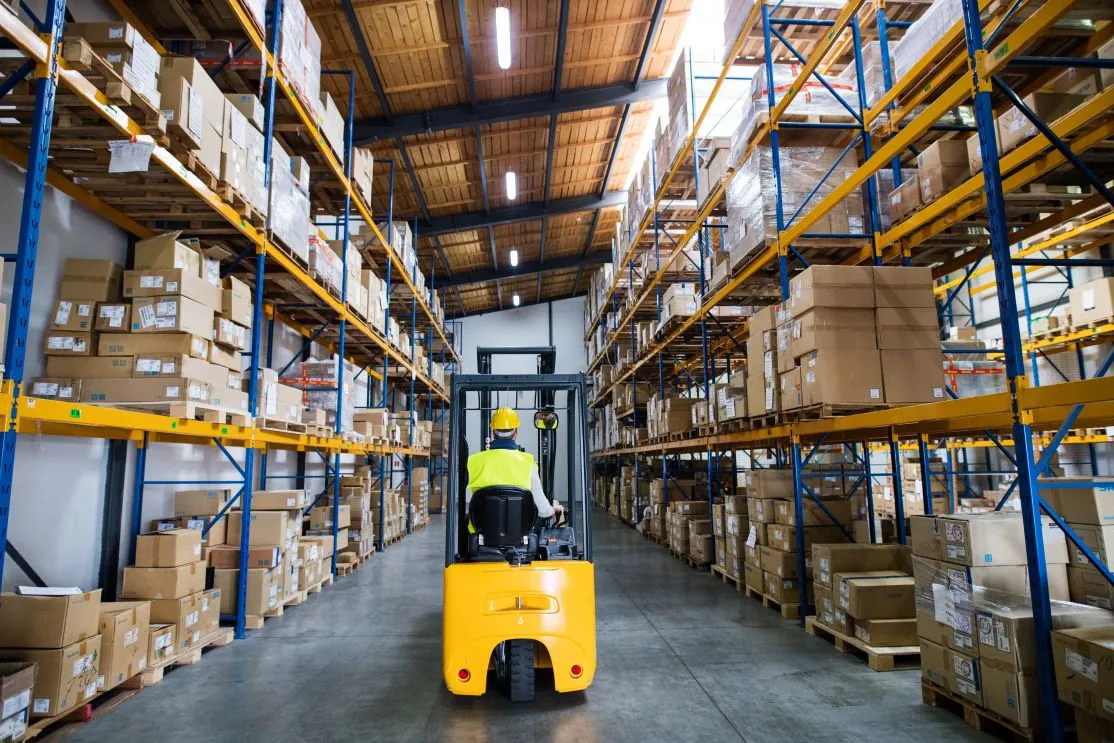
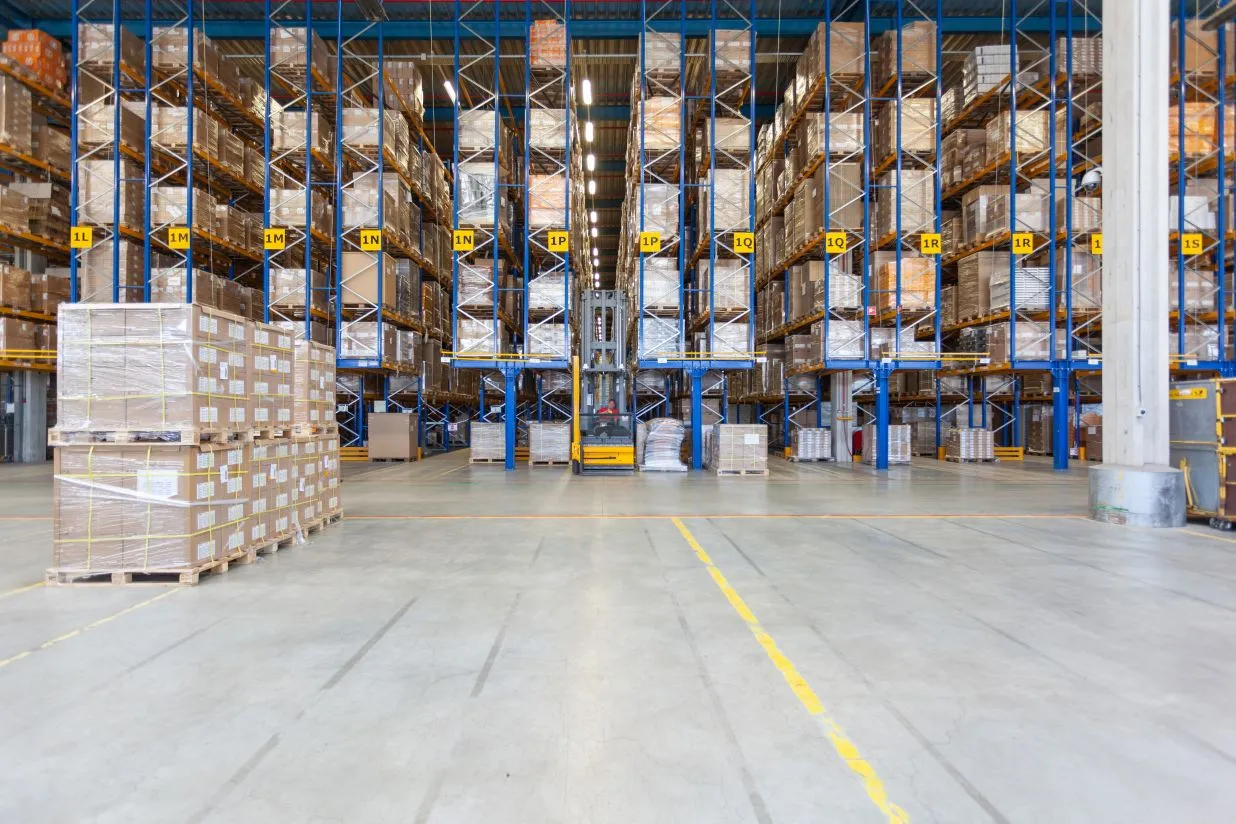
Inside the warehouse, AI-driven robotics are handling complex picking and packing tasks with unprecedented speed. These are not just automated arms; they are intelligent systems that learn and optimize their paths in real-time. For a comprehensive look at how automation is changing industries, resources like Supply Chain Dive offer excellent ongoing coverage of these technological leaps.
Incorporating these AI tools is essential for any business wanting to stay aligned with a positive 2026 global freight outlook. The efficiency gains are simply too significant to ignore.
2. Sustainable Logistics: The Green Mandate
Sustainability has moved from a “nice-to-have” section of the annual report to a core operational requirement. The 2026 global freight outlook indicates that regulatory pressures and consumer demand are forcing the hands of major carriers. We are witnessing a massive pivot toward “Green Freight.”
Electric and Alternative Fuel Fleets
This year, the deployment of electric heavy-duty trucks has moved beyond pilot programs into actual fleet integration. While long-haul electric trucking still faces infrastructure challenges, regional and last-mile delivery are rapidly electrifying. Furthermore, the maritime sector is making strides with methanol and ammonia-powered vessels to reduce the carbon footprint of ocean freight.
Carbon Tracking and Offsetting
Shippers now demand granular visibility into their carbon emissions. New software platforms allow companies to track the exact carbon output of a specific shipment and offer immediate offsetting options. This level of transparency is a defining feature of the 2026 global freight outlook. Organizations like the International Energy Agency continue to publish data emphasizing the urgency of these transitions in the transport sector.
If your logistics strategy does not account for sustainability, you risk falling behind competitors who use their green credentials as a key selling point.
3. Digital Route Optimization and Smart Corridors
Efficiency is the name of the game. Digital route optimization has evolved significantly, becoming a major pillar of the 2026 global freight outlook. It is no longer just about finding the shortest distance between two points; it is about finding the smartest path.
Dynamic Routing
Advanced algorithms now account for real-time traffic, port congestion, and even labor strike risks. If a major port faces a slowdown, digital platforms can instantly suggest alternative entry points and coordinate the necessary intermodal transfers. This fluidity ensures that goods keep moving, even when traditional lanes are blocked.
The Rise of Smart Corridors
Governments and private entities are collaborating to create “smart freight corridors.” These are designated routes equipped with sensors and V2I (Vehicle-to-Infrastructure) communication technology. Trucks on these routes can communicate with traffic lights, weigh stations, and other vehicles to maintain constant speeds and reduce idling. This innovation is a bright spot in the 2026 global freight outlook, promising to reduce fuel consumption and transit times simultaneously.
For deeper insights into how infrastructure technology is evolving, the U.S. Department of Transportation provides updates on smart infrastructure projects that impact freight movement.
4. Nearshoring: Redefining Global Trade Lanes
The geopolitical lessons of the past few years have been learned. The 2026 global freight outlook shows a continued and strengthening trend toward nearshoring—moving manufacturing closer to the end consumer.
Mexico and Latin America
For North American companies, this means a significant pivot toward Mexico and broader Latin America. This shift reduces transit times from weeks to days and mitigates the risks associated with trans-Pacific shipping. Consequently, we are seeing a boom in cross-border logistics infrastructure, with increased investment in rail and trucking capabilities at the border.
Regional Hubs
In Europe and Asia, similar trends are emerging. Companies are diversifying their sourcing strategies to avoid over-reliance on a single nation. This fragmentation of manufacturing requires a more agile logistics network, capable of handling smaller, more frequent shipments from multiple origins. This complexity is exactly what the 2026 global freight outlook predicts will drive demand for sophisticated 3PL partners who can manage multi-origin supply chains.
You can read more about global trade shifts and economic impacts on the World Trade Organization website, which tracks these macroeconomic trends closely.
5. Blockchain for Enhanced Transparency
While the cryptocurrency hype has cooled, the underlying blockchain technology has found a permanent home in logistics. In the 2026 global freight outlook, blockchain is the silent guardian of trust and transparency.
Smart Contracts
Smart contracts are automating payment and release processes. When a shipment reaches a verified digital geo-fence, the blockchain automatically triggers payment to the carrier and releases the Bill of Lading to the consignee. This eliminates days of administrative delay and improves cash flow for all parties involved.
Immutable Documentation
Fraud and documentation errors have historically plagued the freight industry. Blockchain creates an immutable record of every transaction and handover. This “single source of truth” is vital for the 2026 global freight outlook, where trust and speed are paramount. It ensures that what is on the manifest is exactly what is in the container, reducing customs holds and disputes.
6. The Human Element: Labor and Expertise
Amidst all this technology, the human element remains crucial. The 2026 global freight outlook highlights a changing role for logistics professionals. The industry is moving away from manual data entry roles toward strategic analyst positions.
Upskilling the Workforce
As AI takes over routine tasks, logistics teams are being upskilled to manage complex exceptions and strategic partnerships. The ability to interpret data output from AI tools is becoming a highly detailed skill set.
Driver Retention Strategies
The driver shortage has not disappeared, but it is being managed better. Innovations in driver comfort, optimized scheduling to get drivers home more often, and better pay structures are helping stabilize the workforce. A stable workforce is a positive indicator for the 2026 global freight outlook, ensuring that capacity is available when shippers need it most.
7. Cybersecurity in the Supply Chain
With increased digitization comes increased risk. Cybersecurity is a dark horse in the 2026 global freight outlook. As ships, trucks, and warehouses become connected devices (IoT), they become potential targets for cyberattacks.
Logistics providers are investing heavily in cyber defense. Protecting customer data and ensuring the physical safety of automated systems is a top priority. A hack that shuts down a smart port or corrupts a digital ledger could have catastrophic ripple effects. Therefore, cyber resilience is a key component of the reliability that shippers are looking for this year.
Preparing Your Business for the Future
So, how should your business respond to the 2026 global freight outlook?
- Audit Your Tech Stack: Ensure your systems can integrate with modern carrier platforms. API connectivity is no longer a luxury; it is a necessity.
- Diversify Sourcing: If you haven’t already, explore nearshoring options to insulate your supply chain from long-haul disruptions.
- Prioritize Partners: Work with freight forwarders like LCX Freight who are investing in these innovations. A forward-thinking partner is your best insurance against volatility.
- Embrace Sustainability: Start measuring your carbon footprint now. It will soon be a requirement for doing business with major retailers and government entities.
The 2026 global freight outlook is optimistic for those who are prepared to adapt. It favors the agile, the digital, and the sustainable. By leveraging these innovations, you can turn your supply chain from a cost center into a competitive advantage.
Conclusion
The year ahead promises to be dynamic. The 2026 global freight outlook paints a picture of an industry that is smarter, faster, and cleaner than ever before. From AI-driven decision-making to the tangible benefits of nearshoring, the tools are available to build a robust supply chain.
At LCX Freight, we are committed to helping you navigate this landscape. We leverage these top logistics innovations to ensure your cargo arrives safely, on time, and within budget. As we move through the year, keeping a close eye on the 2026 global freight outlook will help us all stay one step ahead of the curve.
The future of freight is here. It is digital, it is efficient, and it is happening now. Make sure your business is part of the innovation that defines the 2026 global freight outlook.