


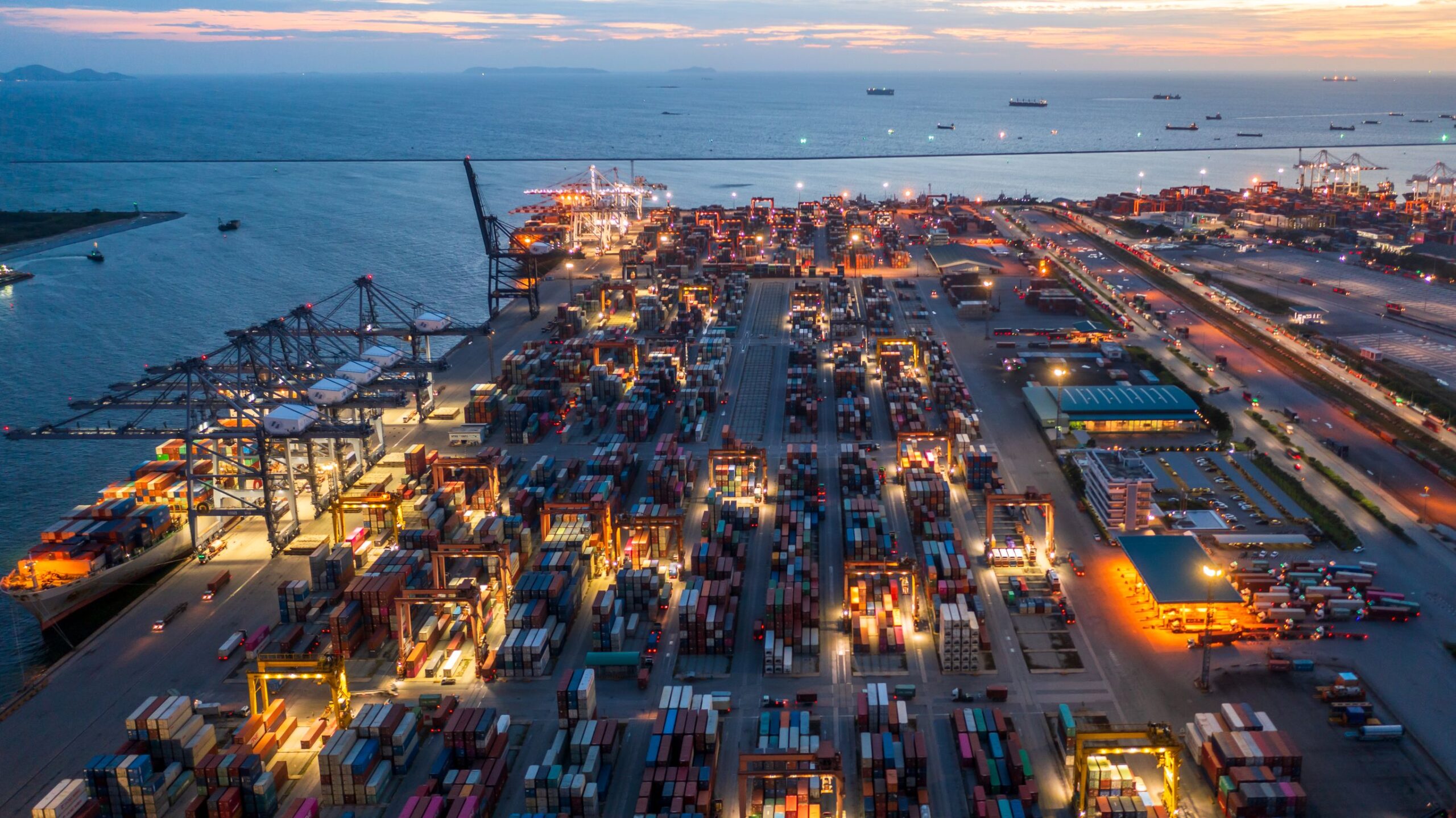
The final quarter of the year brings a whirlwind of activity across the globe. From major shopping holidays like Black Friday and Christmas to cultural celebrations such as Diwali and Chinese New Year preparations, consumer demand skyrockets. This increased activity places immense pressure on supply chains, creating a predictable yet challenging phenomenon known as the year-end cargo surge. For businesses, navigating this period is critical. A failure to manage logistics effectively can lead to stockouts, missed sales opportunities, and damaged customer relationships. This is where the expertise of a global freight forwarder becomes indispensable.
Freight forwarders are the architects of global logistics, and their ability to manage the complexities of the year-end cargo surge is a testament to their value. They employ a combination of strategic planning, advanced technology, and strong carrier relationships to ensure that goods move from origin to destination efficiently, even when the system is under maximum strain. Understanding how they achieve this provides valuable insight for any business reliant on a global supply chain. This post will explore the detailed strategies, technologies, and collaborative efforts that freight forwarders use to conquer the logistical hurdles of the peak season, ensuring your cargo arrives on time.
Understanding the Dynamics of the Year-End Cargo Surge
The year-end cargo surge, often called “peak season,” is a period of significantly increased shipping volume that typically begins in late summer (August) and extends through early the following year. This surge is driven by several converging factors:
- – Holiday Shopping: Retailers stock up for the massive shopping season that spans from Halloween through to post-Christmas sales. This includes Black Friday, Cyber Monday, and the entire holiday gift-giving period, which accounts for a substantial portion of annual retail sales.
- – Back-to-School Season: Though it starts earlier, the tail end of back-to-school preparations contributes to the initial ramp-up of shipping volumes in late summer.
- – Pre-Holiday Production: Manufacturers in major export hubs, particularly in Asia, increase production to meet global demand. They often need to ship these goods out well in advance to reach international shelves on time.
- – Factory Shutdowns: Major holidays in exporting countries, like the Golden Week in China in early October, cause temporary factory and port shutdowns. This creates a rush to ship goods out before the break and a backlog to clear afterward, further intensifying the year-end cargo surge.
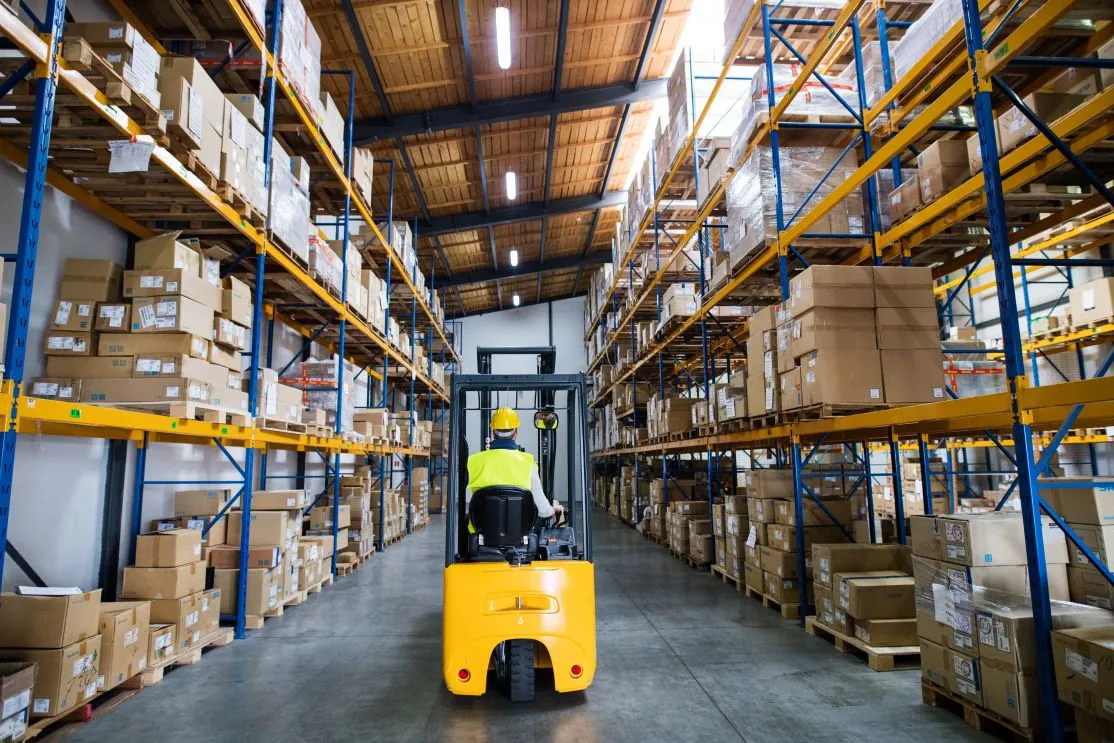
This confluence of factors creates a perfect storm in the logistics industry. Demand for cargo space on ocean vessels and aircraft outstrips available capacity, leading to a cascade of challenges. Port congestion becomes a major issue as terminals struggle to process the sheer volume of containers. Drayage and trucking services face equipment and driver shortages, causing delays in moving containers from ports to warehouses. The result is a volatile market characterized by soaring freight rates, frequent rollovers (where cargo is bumped to a later vessel), and extended transit times. For businesses without a robust logistics strategy, this period can be chaotic and costly.
Proactive Strategies: The Foundation of Peak Season Success
Experienced freight forwarders know that successfully navigating the year-end cargo surge begins long before the first holiday decoration appears. Proactive planning and early execution are the cornerstones of their approach.
1. Early and Collaborative Forecasting
The most crucial strategy is to work closely with clients to develop accurate shipping forecasts for year-end cargo. This process ideally begins in the second quarter of the year. Freight forwarders engage with their customers to understand their projected sales volumes, production schedules, and inventory needs for the upcoming peak season.
By gathering this data early, forwarders can aggregate demand across their entire client base. This gives them a comprehensive view of the capacity they will need to secure. This aggregated forecast is a powerful tool. It allows the forwarder to enter negotiations with ocean carriers and airlines from a position of strength, armed with predictable volume commitments. This early planning helps mitigate the risk of being shut out of the market when space becomes scarce.
2. Securing Capacity in Advance
Armed with reliable forecasts, freight forwarders proactively secure shipping capacity. This isn’t just about booking space; it’s about strategic procurement. They leverage their long-standing relationships and buying power with multiple carriers to negotiate contracts and allocate space.
- – Named Account Contracts (NACs): Forwarders often hold NACs with major carriers, which provide guaranteed space allocations and more stable pricing, even during the year-end cargo surge.
- – Block Space Agreements (BSAs): For air freight, forwarders enter into BSAs, where they purchase a set amount of space on specific flights for the entire season. This guarantees access to air cargo capacity, which is often the first to fill up during peak times.
- – Diversification of Carriers: A key strategy is to avoid relying on a single carrier. By spreading volumes across a portfolio of ocean and air carriers, forwarders can pivot quickly if one provider faces port omission, delays, or capacity cuts. This diversification builds resilience into the supply chain.
3. Educating and Aligning with Clients
A significant part of the proactive strategy involves client education. Forwarders like LCX Freight work to set realistic expectations. They advise clients to adjust their production and shipping timelines, encouraging them to ship non-urgent year-end cargo well before the peak season begins.
They might recommend a “ship early” strategy, suggesting that clients move their holiday stock in August or September rather than waiting until October. This not only helps avoid the highest freight rates but also provides a buffer against potential transit delays. Clear communication about market conditions, expected rate increases, and potential bottlenecks allows clients to make informed decisions and adjust their own business plans accordingly.
Navigating the Storm: Real-Time Management and Agility
Even with the best planning, the year-end cargo surge is unpredictable. Port strikes, severe weather, unexpected demand spikes, and geopolitical events can disrupt the most carefully laid plans. This is where a freight forwarder’s agility and real-time management capabilities come into play.
4. Leveraging Technology for Visibility and Control
Modern freight forwarding is heavily reliant on technology. Advanced Transportation Management Systems (TMS) and visibility platforms are the central nervous systems of the operation during peak season.
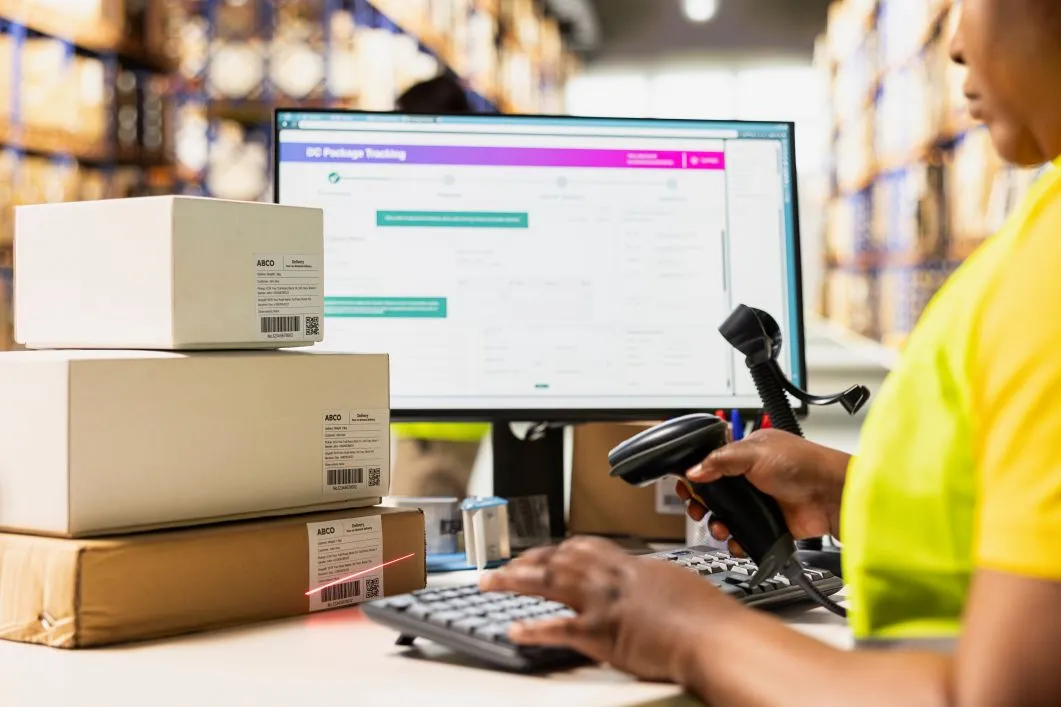
- – Real-Time Tracking: These platforms provide end-to-end visibility of shipments. Clients can see where their cargo is at any given moment, whether it’s on a vessel in the middle of the Pacific, waiting at a port terminal, or on a truck for final delivery. This visibility is crucial for planning and managing inventory.
- – Predictive Analytics: Sophisticated systems use data analytics and AI to predict potential delays. By analyzing vessel speeds, port congestion data, weather patterns, and historical performance, these tools can flag shipments that are at high risk of delay. This allows the forwarder to take preemptive action, such as re-routing cargo or notifying the client in advance.
- – Automated Documentation: The year-end cargo surge brings a mountain of paperwork. Digital platforms automate the generation and submission of customs declarations, bills of lading, and other essential documents. This reduces the risk of human error and prevents delays caused by incorrect or missing paperwork.
5. Multimodal and Alternative Routing Solutions
When a primary transport plan is disrupted, agility is key. A top-tier freight forwarder has a deep knowledge of multimodal and alternative routing options, ensuring smooth delivery even during year-end cargo challenges.
- – Sea-Air Combination: If an ocean shipment is severely delayed and a critical deadline is looming, a sea-air solution can be a lifesaver. The cargo is shipped via ocean freight to a midway hub (like Dubai or Los Angeles) and then transferred to an aircraft for the final leg of the journey. This is faster than all-ocean and cheaper than all-air, offering a balanced solution.
- – Alternative Gateways: If a primary port like Long Beach is heavily congested, a forwarder might re-route a shipment to a less-congested port, such as Prince Rupert in Canada or a Gulf Coast port. From there, the cargo can be moved inland via rail or truck. This requires extensive networks and coordination but can save weeks in transit time.
- – Chartering Services: For urgent or oversized shipments, forwarders can arrange for full or partial vessel and aircraft charters. While this is a more expensive option, it provides complete control over the schedule and routing, bypassing the crowded commercial market during the year-end cargo surge.
6. Strong On-the-Ground Presence
Technology is powerful, but logistics still relies on people. Global freight forwarders maintain a network of local offices and trusted agents in key ports and logistics hubs around the world. This local expertise is invaluable during the year-end cargo surge.
Local teams understand the specific operational challenges of their region. They have direct relationships with port authorities, customs officials, and local trucking companies. When a container gets stuck in a customs inspection or there’s a shortage of truck chassis, it’s these on-the-ground teams that can often intervene and resolve the issue quickly. This human element is a critical component of effective exception management.
The LCX Freight Advantage in a Turbulent Market
At LCX Freight, we combine decades of experience with cutting-edge technology to master the complexities of the year-end cargo surge. Our approach is built on a foundation of partnership, transparency, and relentless problem-solving.
We view ourselves as an extension of your logistics team. Our process begins with in-depth consultations to understand your unique needs for the peak season. We then leverage our significant buying power and strong carrier alliances to design a customized logistics plan for your year-end cargo that balances cost, speed, and reliability.
Our state-of-the-art visibility platform provides you with 24/7 access to real-time information about your shipments, giving you the control and peace of mind you need. When disruptions occur, our global team of experts is empowered to act decisively, developing creative solutions to keep your supply chain moving. The year-end cargo surge presents a significant challenge, but with the right partner, it can be managed successfully.
The challenges of the global supply chain are constantly evolving. Staying informed on trends in manufacturing and trade policies is essential for any business. Resources like the National Retail Federation and the Journal of Commerce provide excellent data and analysis on the state of global logistics. The International Federation of Freight Forwarders Associations (FIATA) offers valuable guidelines and resources for freight professionals, while Supply Chain Digital features news on supply chain innovation. Partnering with an expert forwarder who stays ahead of these trends is your best defense against the volatility of the year-end cargo surge. By entrusting your peak season logistics to a dedicated partner, you can focus on what you do best: growing your business and serving your customers.