




The logistics landscape is in a constant state of evolution. Shippers and carriers continually seek more efficient, resilient, and sustainable ways to move goods across the globe. As we look toward the near future, one strategic approach stands out for its transformative potential: 2026 multimodal freight. The practice of using two or more modes of transport to move a single shipment is not new, but the forces converging in 2026 are set to dramatically accelerate its adoption and sophistication. This shift is not just a trend; it’s a fundamental reshaping of how supply chains operate.
This year will be a pivotal one, driven by a perfect storm of technological advancement, environmental pressures, and shifting economic realities. For businesses looking to maintain a competitive edge, understanding the drivers behind this acceleration is crucial. The focus is shifting from simply moving cargo to orchestrating complex, data-driven journeys that optimize for cost, speed, and sustainability. Embracing 2026 multimodal freight integration will be less of a choice and more of a necessity for survival and growth. Key trends like advanced automation, a collective push for decarbonization, and the demand for unprecedented supply chain visibility are creating a new playbook for logistics. For a deep dive into these trends, consider reading Maersk’s logistics insights.
The Technology Tipping Point: Automation and AI
Technology is the primary catalyst fueling the multimodal revolution. In 2026, we are moving beyond pilot programs and into widespread, practical deployment of automation and artificial intelligence (AI) across the logistics network. These technologies are no longer futuristic concepts; they are becoming essential tools for managing the complexities of integrated freight.
AI-Powered Route and Mode Optimization
The core challenge of multimodal shipping has always been coordinating the handoffs between different transport modes—truck, rail, sea, and air. By 2026, multimodal freight will benefit greatly from AI algorithms capable of analyzing vast datasets in real-time to determine the most efficient combination of modes for any given shipment. These systems consider variables like transit times, port congestion, weather patterns, fuel costs, and carbon emissions.
For a shipper, this means a dynamic and responsive supply chain. An AI-powered Transportation Management System (TMS) can automatically reroute a shipment from a congested port to a rail terminal or switch from sea to air for the final leg to meet a tight deadline. This level of optimization was previously impossible to achieve manually. The result is a more agile approach to 2026 multimodal freight integration, allowing companies to adapt instantly to disruptions and opportunities. To understand the digital shift, see these 2026 intermodal trends.
Automation in Terminals and Warehouses
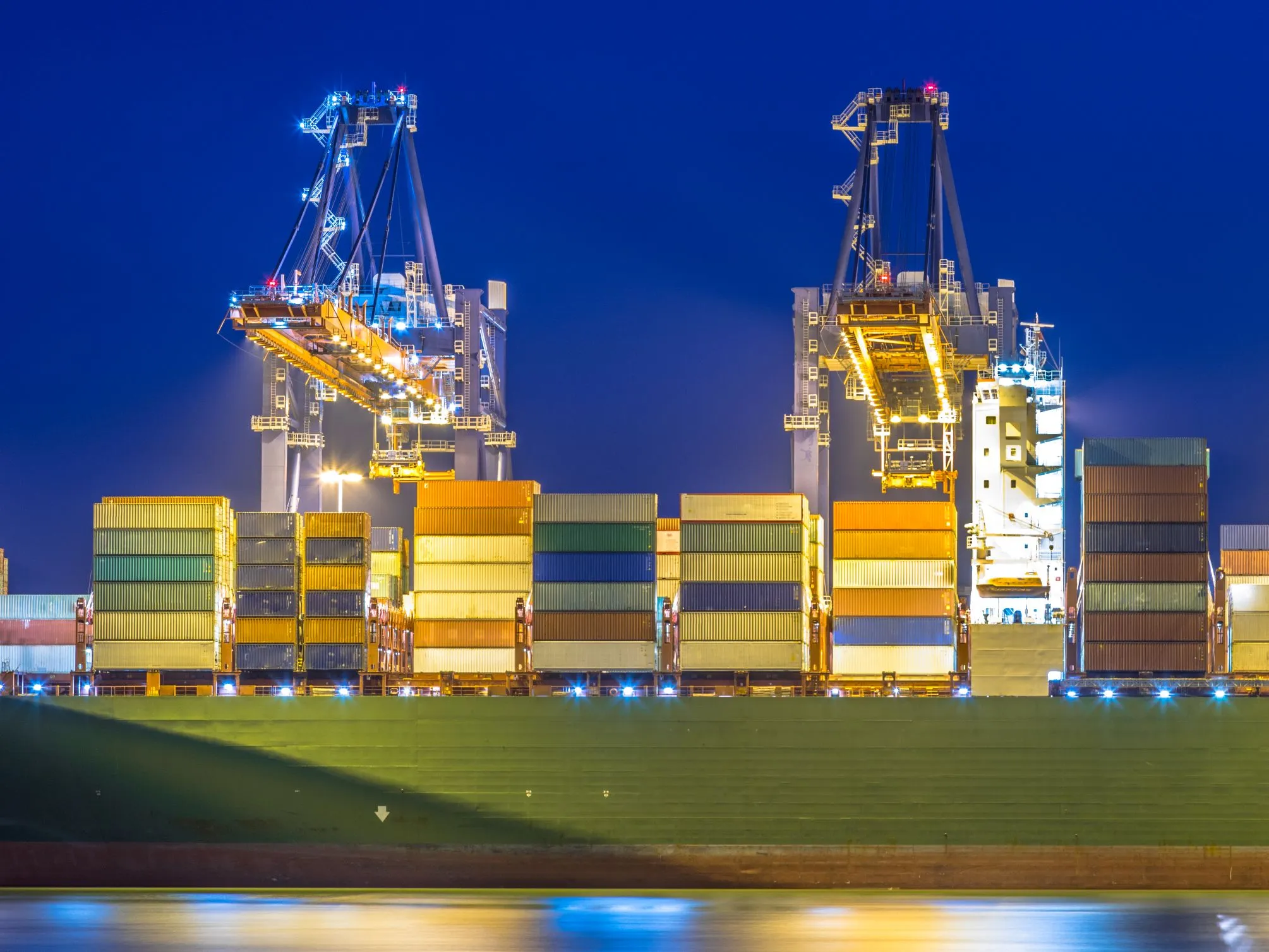
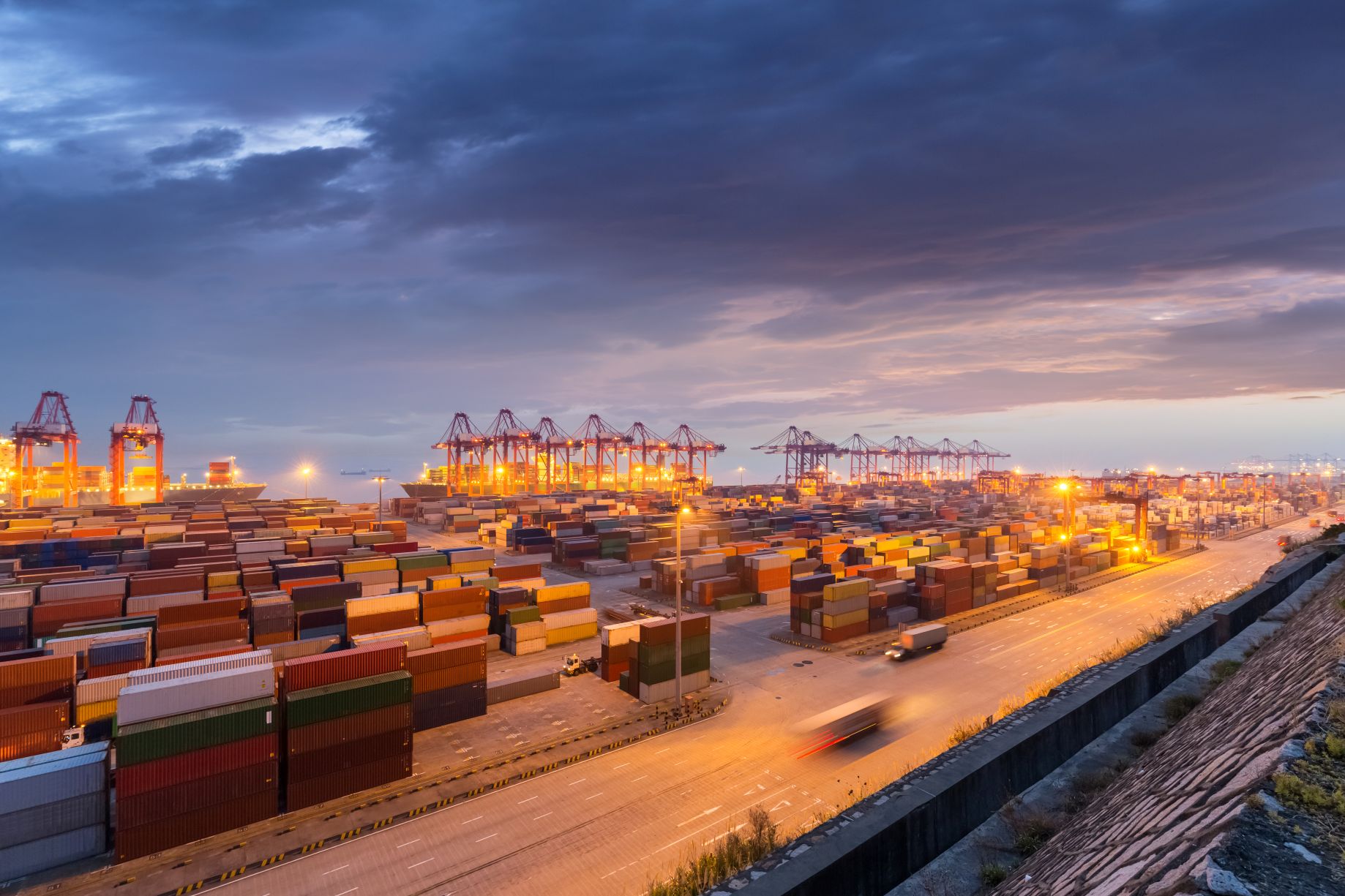
The efficiency of 2026 multimodal freight depends heavily on the speed of transfers at intermodal hubs. This year, we are seeing a significant increase in automation at these critical points. Automated Guided Vehicles (AGVs) are moving containers from ships to waiting trains, and robotic cranes are stacking cargo with precision and speed. This automation minimizes dwell times, a major source of delays and costs in traditional supply chains.
By reducing human error and operating 24/7, automated terminals ensure that the transition between, for example, a cargo ship and a freight train is seamless and predictable. This reliability is fundamental to building trust in 2026 multimodal freight integration as a viable and superior alternative to single-mode shipping. Faster turnarounds mean assets are used more efficiently, and goods get to market quicker.
The Green Imperative: Decarbonization and Electrification
Environmental, Social, and Governance (ESG) criteria are no longer a secondary concern for businesses; they are central to brand reputation, investor confidence, and regulatory compliance. The transportation sector is a major contributor to global carbon emissions, and the push for decarbonization is directly influencing freight strategies.
Leveraging the Strengths of Greener Modes
Multimodal transport offers a practical pathway to reducing the carbon footprint of logistics. While trucking is essential for first- and last-mile delivery, it is also one of the more carbon-intensive modes for long-haul transport. A key aspect of 2026 multimodal freight integration involves strategically shifting long-haul segments to more sustainable options like rail and sea freight.
Rail, for instance, is significantly more fuel-efficient than trucking for moving heavy goods over long distances. By integrating rail into a shipping strategy, companies can achieve substantial reductions in CO2 emissions without sacrificing reach. The strategy is to use trucks for their flexibility over short distances and rely on rail or sea for the long-haul, creating a “best of both worlds” scenario. This balanced approach is becoming a cornerstone of sustainable supply chain management. For more on sustainability and logistics, check out Descartes’ logistics trends.
The Rise of Electrification
Another major trend shaping the future of 2026 multimodal freight is the electrification of transport fleets. While long-haul electric trucks are still in development, the electrification of drayage vehicles—trucks that move containers within ports and intermodal terminals—is well underway. Electric yard tractors and short-haul trucks are reducing emissions and noise pollution at these critical logistics hubs.
As battery technology improves and charging infrastructure expands, the role of electric vehicles will grow, further enhancing the green credentials of multimodal strategies. This electrification at the “edges” of the network complements the inherent efficiency of rail and sea for the core journey. This focus on green logistics makes 2026 multimodal freight integration an attractive option for environmentally conscious organizations. The ability to measure and report on emissions reductions across an integrated supply chain provides a tangible benefit that resonates with customers and stakeholders alike. Learn more about decarbonization by visiting Mead & Hunt’s transportation technology outlook.
The Quest for Total Visibility
In a world of constant disruptions, knowing where your shipment is at all times is non-negotiable. Supply chain visibility has evolved from a “nice-to-have” to a critical business function. True visibility, however, goes beyond a simple GPS pin on a map. It involves a deep, data-rich understanding of a shipment’s status, condition, and estimated time of arrival (ETA) as it moves between different carriers and modes. As we look ahead to 2026 multimodal freight, achieving this level of visibility will be essential for staying competitive and ensuring seamless logistics.
IoT and Sensor Technology
The proliferation of Internet of Things (IoT) devices is a game-changer for supply chain visibility. Smart sensors attached to containers and even individual pallets can transmit real-time data on location, temperature, humidity, shock, and more. This is particularly vital for sensitive cargo like pharmaceuticals or fresh produce.
In a multimodal journey, this data stream remains uninterrupted. A shipper can monitor a container’s temperature as it sits on a ship, crosses a rail yard, and is loaded onto a truck for final delivery. This continuous monitoring, enabled by 2026 multimodal freight integration, provides an unprecedented level of quality control and risk management. If a temperature deviation occurs, an alert is automatically triggered, allowing for immediate intervention.
Unified Data Platforms
The real power of visibility is unlocked when data from all modes of transport is consolidated into a single, unified platform. Advanced logistics platforms can integrate data feeds from shipping lines, rail operators, trucking companies, and sensor devices. This creates a single source of truth for every shipment, making it essential for the future of 2026 multimodal freight.
Instead of logging into multiple carrier portals, a shipper can see the entire end-to-end journey in one place. These platforms use machine learning to provide highly accurate predictive ETAs, accounting for potential delays at transfer points. This predictive capability allows businesses to manage inventory more effectively, improve customer communication, and proactively address potential issues. This holistic view is a key promise delivered by 2026 multimodal freight integration, transforming logistics from a series of disconnected steps into a cohesive, visible process.
Economic and Regulatory Drivers
Beyond technology and sustainability, economic pressures and evolving regulations are also pushing companies toward integrated freight solutions. The volatility seen in recent years has taught businesses the importance of building resilient and flexible supply chains. For more industry context, see SCMR’s 2026 freight playbook.
Mitigating Risk and Controlling Costs
Relying on a single mode of transport introduces significant risk, especially as we look toward the 2026 multimodal freight landscape. A disruption in the trucking industry, such as a labor shortage or a sharp rise in fuel prices, can bring a supply chain to a standstill. Similarly, port congestion can leave cargo stranded for weeks.
Multimodal strategies offer inherent flexibility and risk mitigation. By having established relationships and processes across rail, sea, and road, companies can pivot quickly when one mode is disrupted. This agility is essential for maintaining supply chain continuity. Furthermore, 2026 multimodal freight integration allows for greater cost control. By choosing the most economical mode for each leg of the journey, businesses can optimize their overall transportation spend. The efficiency gains from this approach often outweigh the complexity of coordinating multiple modes, especially with modern technology simplifying the process.
Evolving Government Policies
Governments around the world are implementing policies that encourage more sustainable and efficient transportation. Investments in rail infrastructure, subsidies for electrification, and regulations on emissions are all creating a favorable environment for multimodal shipping. For example, government initiatives to upgrade rail networks make it a more attractive option for freight, supporting the shift away from road transport for long-haul routes. As these policies take full effect in 2026, the business case for 2026 multimodal freight integration becomes even stronger, aligning operational strategy with regulatory incentives.
Partnering for a Multimodal Future
The transition to a fully integrated multimodal strategy can be complex. It requires expertise, technology, and strong relationships with carriers across different modes. For many businesses, the most effective way to navigate this shift is by partnering with a third-party logistics (3PL) provider that specializes in multimodal solutions.
An experienced partner like LCX Freight brings the necessary platform, industry connections, and knowledge to the table. We can design and execute a seamless, end-to-end transportation strategy tailored to your specific needs. By leveraging our expertise, you can unlock the benefits of 2026 multimodal freight integration—cost savings, improved sustainability, and enhanced resilience—without the need for extensive in-house investment.
The acceleration of 2026 multimodal freight integration is a response to the core demands of modern commerce: the need for speed, reliability, cost-efficiency, and sustainability. The convergence of advanced technology, environmental pressures, and economic realities makes this strategic shift more compelling than ever. Businesses that embrace this integrated approach will be better positioned to navigate future disruptions and thrive in an increasingly complex global market. The future of freight is not about a single mode; it’s about the intelligent and seamless orchestration of them all.